ADA Grab Bar Placement Guide: Height & Size
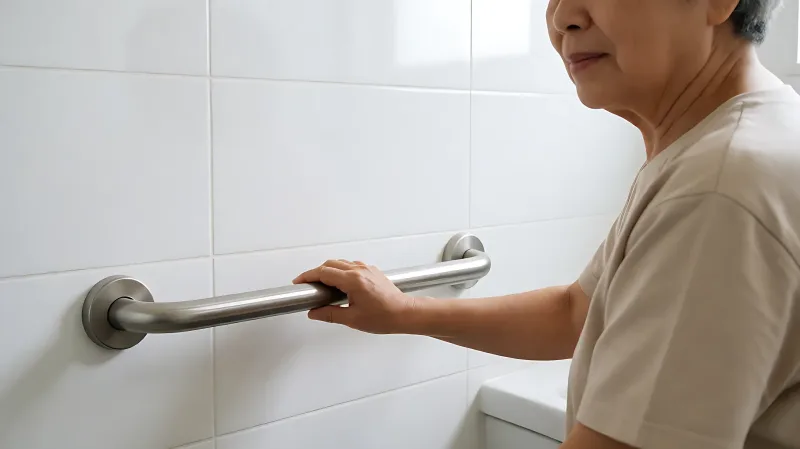
Discover the precise ADA-compliant heights and placements for bathroom grab bars to ensure safety for seniors. Learn correct installation depths, material choices, and weight capacity standards.
According to the U.S. Access Board, ADA-compliant bathroom grab bars should be installed 33 to 36 inches above the finished floor. The bars must have a diameter of 1.25 to 2 inches and support at least 250 pounds. Proper placement behind the toilet and in the shower prevents slips and supports safe transfers.
For more information, see NIA healthy aging resources from the National Institute on Aging.
What Are the ADA Standards for Grab Bar Size and Height?
The Americans with Disabilities Act (ADA) sets specific technical guidelines for bathing rooms to ensure accessibility. While these rules primarily apply to public facilities, they serve as the gold standard for residential safety modifications. The U.S. Access Board, which publishes the official ADA Standards, specifies that gripping surfaces must be between 1.25 and 2 inches in diameter. This range allows most adults, including seniors with arthritis or weakened grip strength, to wrap their hands comfortably around the bar. If the bar is too thin, the grip becomes fatiguing; if it is too thick, it may be difficult to grasp securely.
Height is equally critical. The standard installation height is 33 to 36 inches from the finish floor to the top of the gripping surface. This range aligns with the natural elbow height of most standing users, allowing for leverage when pushing off to stand or when lowering oneself to sit. For toilets, the side wall grab bar must be at least 42 inches long, while the rear wall bar should be at least 36 inches long. These lengths ensure there is enough surface area to hold onto during the transfer process.
Where Should Grab Bars Be Placed in the Toilet Area?
The toilet area is a high-risk zone for falls because of the repetitive motion of sitting down and standing up. The U.S. Access Board guidelines dictate specific placements for optimal support. The side wall grab bar, which is the most heavily used, should be mounted on the side wall opposite the entry door if possible. It must extend at least 54 inches from the rear wall and stop no more than 12 inches from the rear wall. This creates a continuous support structure that helps users pivot and stabilize their balance.
The rear wall grab bar is positioned directly behind the toilet. It should be at least 36 inches long and mounted at the same 33 to 36-inch height as the side bar. When installed correctly, the two bars can work in tandem. Many seniors find it easier to use both hands on the side and rear bars simultaneously to maintain upright posture. The Consumer Product Safety Commission (CPSC) emphasizes that all hardware must be anchored securely to wall studs. Using drywall anchors alone is a common mistake that leads to failure under weight. Reinforced blocking or metal brackets are necessary if studs are not located at the ideal positions.
How Do You Install Grab Bars Safely in Showers and Tubs?
Wet environments require specialized placement to support entry and exit. For standard bathtubs, a horizontal grab bar on the back wall is essential. The ADA suggests installing a 24-inch bar at a height of 33 to 36 inches above the tub floor. Some users benefit from a second, lower bar mounted 8 to 10 inches above the tub rim to assist with stepping over the edge. In roll-in showers, which lack a curb, a 36-inch minimum grab bar is required on the back wall. Additionally, an 18-inch bar on the control end wall helps users reach faucets and shower heads safely.
Vertical grab bars are particularly useful for assisting with transfers in bathtubs or walk-in showers. These bars are installed perpendicular to the floor and help bridge the gap between standing height and the seat of a shower chair or the tub floor. The U.S. Access Board notes that in transfer-type shower compartments, grab bars should be at least 18 inches long on the back wall and 24 inches long on the control wall. Clearances are vital here; the bar must have at least 1.5 inches of clearance from the wall. This gap allows fingers to wrap around the bar rather than pressing flat against the wall, which can cause discomfort and slippage.
What Materials and Installation Practices Prevent Failure?
Material choice affects durability in humid bathrooms. Stainless steel is the industry standard for wet areas because it resists corrosion and rust. Brushed finishes are often preferred because they hide water spots and fingerprints better than polished chrome. The American National Standards Institute (ANSI) and ADA guidelines require that grab bars support a minimum load of 250 pounds. This weight capacity is significantly higher than the average user's body weight, accounting for the dynamic forces generated during a sudden slip or loss of balance.
Installation is as important as the product itself. Professionals use radar-assisted wall scanners to locate studs behind drywall and tile. Drilling into hollow spaces without a solid backing leads to catastrophic failure. If a stud is not available at the desired height, installers must add wooden blocking between existing studs or use heavy-duty hollow-wall anchors rated for the specific weight capacity. The Federal Trade Commission (FTC) advises consumers to verify that any retrofit kit they buy includes all necessary hardware for both standard and masonry walls. A secure installation is a one-time fix that provides lifelong safety, so investing in correct hardware is non-negotiable.
When Should You Consult a Professional for Installation?
While DIY installation is possible for simple situations, many bathrooms present structural challenges. Older homes may have plaster walls, which require different anchoring techniques than modern drywall. Tiled showers can be slippery to install on without damaging the grout. According to the National Council on Aging, 68 percent of home modification errors stem from improper anchoring or height miscalculation. A professional assessment can identify the best placement for your specific body type and mobility limitations. They can also ensure that the grab bars do not interfere with other plumbing fixtures or door swings. For seniors living alone, having a third-party professional verify the installation height and tightness provides peace of mind and reduces the risk of injury during the first few uses.
Frequently Asked Questions
Do ADA grab bar rules apply to private homes?
Strictly speaking, ADA compliance is mandatory for public buildings and commercial spaces. However, most state insurance programs and home modification grants require that residential grab bars meet ADA dimensions to be reimbursed. Using ADA standards at home ensures the highest level of safety and compatibility with future medical equipment.
Can I install a grab bar in a tiled shower?
Yes, but it is one of the most difficult installations. You must verify that the tile is solidly backed by mortar and that studs or blocking are located behind the mounting points. Professional installers often use diamond-tipped drills to penetrate the tile without cracking it and use epoxy-based anchors if solid wood backing is not available.
What is the difference between a towel bar and a grab bar?
A towel bar is not a safety device. It is not rated to hold 250 pounds or more and is often anchored with flimsy plastic hooks. A grab bar has reinforced internal cores and is installed with heavy-duty lag screws into studs. Never use a towel bar for balance or support, as it can detach and cause serious falls.
How high should a vertical grab bar be installed?
There is no single universal height for vertical bars, as they assist with transfers at varying levels. Typically, they are installed to reach from just above the shower seat or tub floor up to 36 inches. The key is that the user can comfortably reach the top of the bar while seated or standing, depending on their mobility limitations.
What weight capacity should I look for?
You should always look for a bar rated to hold at least 250 pounds. The ADA minimum is 250 pounds, but many modern industrial-grade bars are tested to 500 pounds or more for added safety margins. Check the packaging or manufacturer's specifications for the exact load rating before purchasing.