iRhythm Data Breach: 8.2 Million Records Exposed, Here Is What Seniors Need to Know
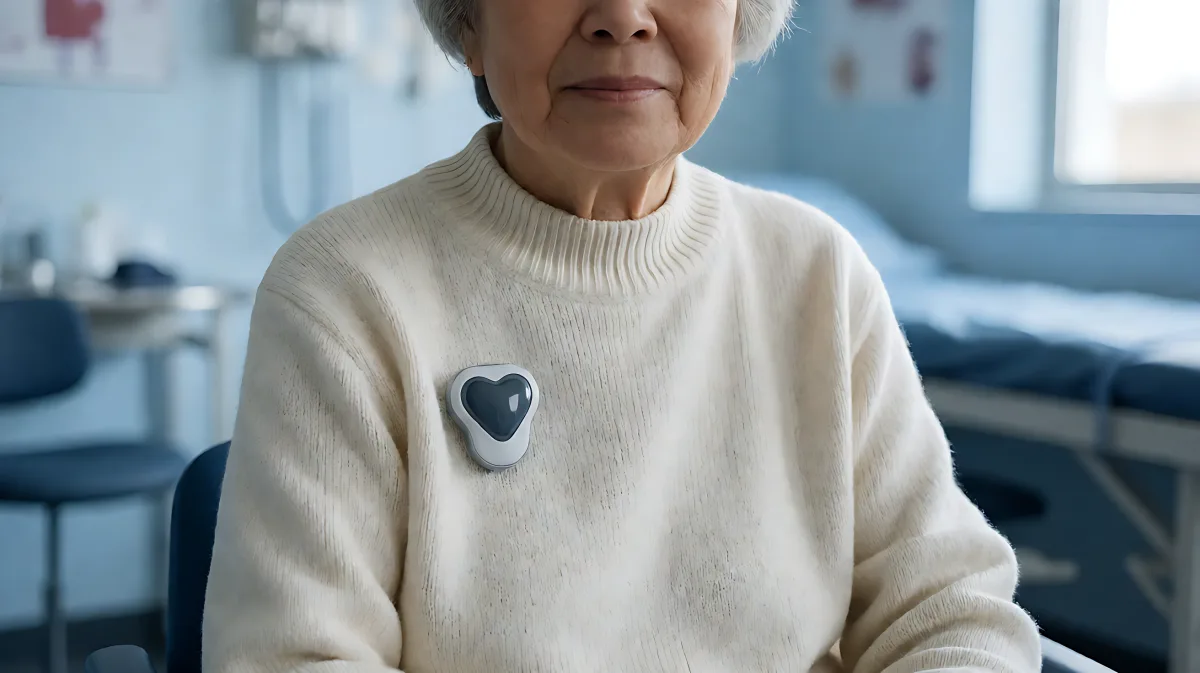
A June 2026 hack at iRhythm exposed sensitive data for nearly 8.2 million patients. This guide explains what was compromised, the risks for seniors, and actionable steps to secure your health information.
The iRhythm data breach affecting 8.2 million individuals has been confirmed, exposing sensitive health and personal information. For seniors relying on wearable cardiac monitors, this incident highlights critical cybersecurity gaps in connected medical devices and requires immediate action to protect personal data from fraud and identity theft.
What Happened in the iRhythm Data Breach?
iRhythm, a San Francisco-based manufacturer of wearable cardiac monitoring devices such as the Zio monitor, disclosed a major cybersecurity incident identified in June 2026. The company notified the U.S. Securities and Exchange Commission that unauthorized actors gained access to third-party hosted business applications through social engineering. One day after discovery, threat actors claimed to have exfiltrated sensitive data and demanded payment to prevent its release.
According to the Oregon Attorney General, the breach affected 8,179,772 individuals. State-level notifications reveal significant regional impacts, with Texas reporting nearly 300,000 affected residents and South Carolina reporting nearly 70,000. The compromised data includes names, addresses, phone numbers, email addresses, patient account numbers, device serial numbers, insurance numbers, dates of birth, and dates of services.
Why Connected Medical Devices Are Vulnerable
The rapid integration of the Internet of Things into healthcare has created new attack surfaces. A study published in Frontiers in Digital Health analyzed U.S. Food and Drug Administration (FDA) safety communications and found that 94% of reported cybersecurity vulnerabilities in medical devices were classified as high-risk. These risks include unauthorized remote access, potential device malfunctions, and exposure of sensitive patient data. The study notes that the global medical device market is projected to reach $1.30 trillion by 2029, making it a prime target for cybercriminals.
Healthcare systems face increasing pressure as breaches become more frequent. The Department of Health and Human Services Office for Civil Rights reported 772 large healthcare data breaches affecting 500 or more individuals in 2026. This upward trend indicates that while individual incidents like iRhythm are severe, they are part of a broader pattern of systemic vulnerability in the sector.
What Data Was Compromised?
iRhythm confirmed that patient safety and clinical systems remained unaffected; the devices themselves continued to function normally. However, the theft of personal identifiers creates significant risks for seniors, who are disproportionately targeted for identity theft and medical fraud. The data does not include payment card information, but insurance numbers and dates of service can be used to commit medical identity theft, where attackers use another person's identity to receive care or submit claims.
How Can Seniors Secure Their Health Data?
- Review Explanation of Benefits (EOB): Check monthly insurance statements for services you did not receive. Medical fraud often appears as unexpected bills or claims for procedures you did not undergo.
- Enable Two-Factor Authentication: Add this security layer to your health portal, insurance account, and any email addresses associated with your medical providers.
- Monitor Credit Reports: While iRhythm did not expose bank account numbers, identity theft can lead to financial fraud. Consider placing a credit freeze to prevent new accounts from being opened in your name.
- Verify Device Updates: Ensure your wearable monitor firmware is up to date. Manufacturers often issue security patches to address vulnerabilities in connected devices.
Common Misconceptions About Medical Device Security
Many families assume that because a heart monitor is a medical device, it is inherently secure and isolated from digital threats. In fact, the iRhythm breach occurred through third-party business applications used for data storage and analytics, not the patient-facing hardware itself. The FDA has issued 18 safety communications regarding cybersecurity in medical devices, highlighting that software and cloud infrastructure are often the weakest links in the supply chain.
What Should You Do If You Received a Notification?
iRhythm began sending notification letters in October 2026. If you are an affected individual, you may be offered credit monitoring services. It is crucial to review the specific data elements listed in your letter. If your insurance information was exposed, inform your health plan so they can monitor for suspicious claims. Do not click on links in suspicious emails claiming to be from iRhythm or the FDA; always access official portals directly.
| Data Type | Threat Level | Action Required |
|---|---|---|
| Insurance Numbers | High | Monitor EOBs for fraud |
| Names and Addresses | Medium | Watch for phishing mail |
| Device Serial Numbers | Low | Verify firmware updates |
| Dates of Service | High | Check medical history accuracy |
FAQ
Did the iRhythm breach affect the safety of the heart monitors?
No. iRhythm confirmed that there was no impact on the clinical or medical device systems, customer connections, or patient safety. The incident involved data theft from business applications, not manipulation of the monitoring devices themselves.
How many people were affected by the iRhythm breach?
The Oregon Attorney General confirmed that 8,179,772 individuals were affected. The company serves approximately 8 million patients, suggesting the data of its entire customer base was accessed.
What is the most likely risk for seniors with exposed insurance data?
Medical identity theft is the primary risk. Attackers may use the exposed insurance numbers to schedule appointments or submit claims under your name, leading to inflated premiums or denied legitimate claims later.
Are other medical devices at risk of similar breaches?
Yes. Recent incidents in the sector, including those involving Stryker and Medtronic, indicate that connected health technology faces widespread cybersecurity challenges. The FDA has issued multiple high-risk safety alerts regarding unauthorized remote access to device systems.