How to Help an Elderly Refuse Home Help | Guide
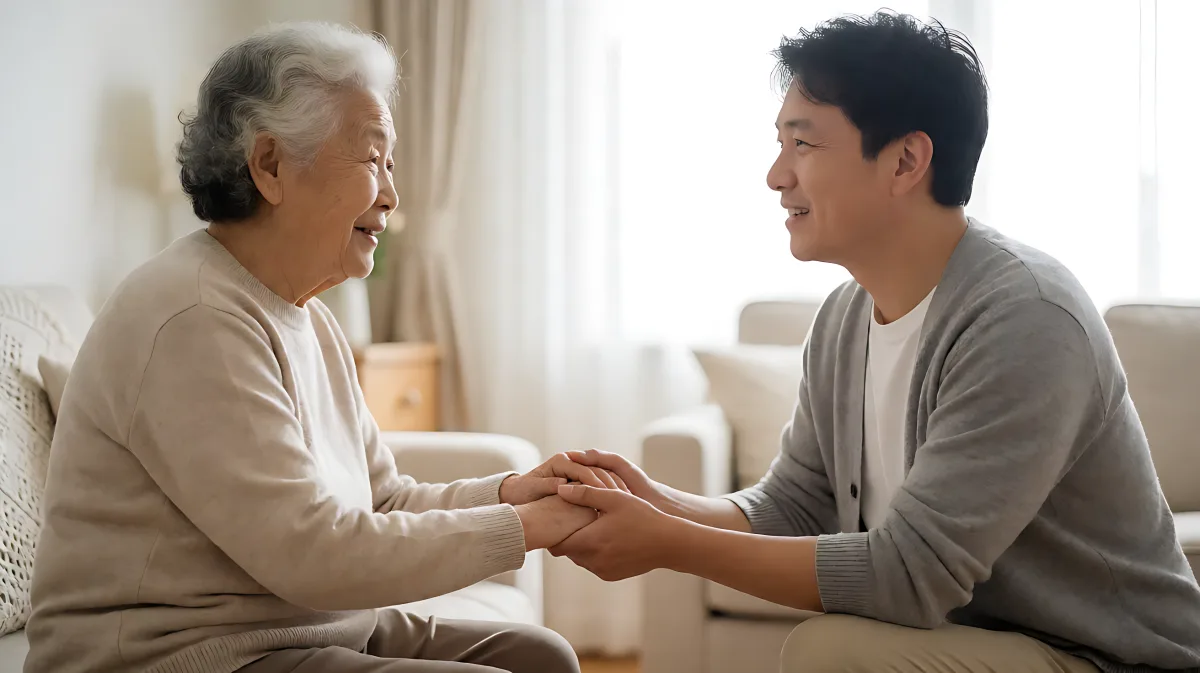
An 88-year-old widow refusing help is not just being stubborn; she is protecting her autonomy. This guide provides a step-by-step approach for families to bridge the gap between independence and safety, using respectful communication and practical environmental modifications.
An 88-year-old widow refusing help is protecting her autonomy, not rejecting love. To support her, shift from demanding compliance to offering choice-based solutions. The goal is maintaining safety without stripping dignity. Begin by validating her desire for independence while introducing small, non-threatening aids like fall-prevention mats and medication organizers. This approach reduces resistance and builds trust over time.
Why Do Seniors Resist Professional Assistance?
Many families assume that an older adult’s refusal of care is merely stubbornness or a lack of awareness. But in fact, this resistance is often a deeply rooted defense mechanism against losing one’s identity. For an 88-year-old widow, the home is not just a structure; it is the last territory she controls completely after a lifetime of changes.
Resentment builds when care feels like surveillance. If helpers arrive unannounced or treat her like a child, she may hide symptoms or refuse entry. The Center on PBIS, a leading educational framework, emphasizes that behavior is often a communication of unmet needs. Applying this to senior care, refusal is a communication of a need for agency. When she feels her voice matters, the barrier to accepting help lowers significantly. Families who understand this psychological shift see better outcomes than those who rely on pressure tactics.
What Role Does Autonomy Play in Decision Making?
Autonomy is the cornerstone of healthy aging. Research from the American Psychological Association indicates that older adults who retain decision-making power for their daily routines show lower levels of depression and better physical health outcomes. When an 88-year-old refuses a daily check-in, she may be reacting to a loss of control over her schedule. Instead of imposing a rigid timeline, offer structured choices. For example, ask if she prefers morning or afternoon visits, or if she wants help with groceries on Tuesdays or Thursdays. This micro-choice preserves her sense of command without compromising safety.
How Can Families Identify Hidden Risks at Home?
You cannot help what you cannot see. Hidden risks are the silent culprits in senior living. A home that looks fine to an adult eye can be a minefield for someone with declining balance or vision. You must conduct a thorough audit of the environment to find hazards that she is currently navigating alone.
Look for these specific dangers immediately:
- Loose rugs or electrical cords creating trip hazards in walkways
- Poor lighting in hallways and staircases, which accelerates falls
- Clutter accumulation in kitchens, blocking access to food and medicine
- Bathtubs without non-slip mats or grab bars, increasing slip risks
According to the National Council on Aging, falls are the leading cause of injury among older adults, with nearly 40% of those over 65 reporting a fall in a given year. For an 88-year-old, even a minor fall can lead to severe complications. By proactively fixing these environmental issues, you are not changing her routine; you are simply making her existing routine safer. This subtle framing makes it harder for her to object.
What Medical Signs Should Trigger Immediate Action?
While environmental fixes are crucial, medical deterioration requires professional intervention. If you notice sudden confusion, weight loss, or an inability to manage medications, the situation changes from preference to emergency. The Alzheimer's Association notes that early symptoms are often mistaken for normal aging. However, when an 88-year-old starts skipping meals or leaving the stove on, it is a critical signal. In these cases, do not ask for permission to help; act under the principle of benevolence to prevent harm. Document these incidents clearly to share with her primary care physician.
What Practical Steps Build Trust and Lower Resistance?
Trust is built through consistency, not grand gestures. An 88-year-old widow has experienced life’s ups and downs; she knows when help is genuine and when it is performative. To lower resistance, start small and succeed often. Do not launch a full home-care overhaul in one weekend. Instead, introduce one change at a time and celebrate its success.
Consider this actionable checklist for your next interaction:
- Validate her perspective: Start by saying, "I know you prefer to do things your own way. I am not here to change that. I just want to help you stay in your home longer."
- Offer a trial period: Suggest a two-week trial of a specific aid, such as a pill organizer or a mobility walker. Frame it as an experiment, not a permanent change. "Let's try this for two weeks and see if it makes your mornings easier."
- Use visual aids: If she is visually impaired or forgetful, use large-label containers and color-coded markers. This is support, not supervision.
- Establish a signal: Agree on a simple code, like a blue hat, that she can hang on the door if she is having a bad day and needs alone time. This respects her boundaries.
These steps transform the dynamic from a power struggle into a partnership. When she sees that you respect her 'no', she is more likely to accept your 'yes' when it truly matters.
How Does Technology Support Independence Without Surveillance?
Many seniors resist help because it feels like being watched. Technology can bridge this gap by offering safety without intrusion. Devices like medical alert pendants or smart sensors allow her to live freely while ensuring help is available in a crisis. A recent study by the AARP found that 83% of older adults are interested in using technology to age in place, provided it respects their privacy. Focus on tools that serve her convenience, such as voice-activated lights or medication reminders, rather than devices that monitor her movements. Explain the technology as a 'safety net' that only activates when she asks for it or if a crisis occurs. This reframing removes the stigma of being 'senile' and positions the tech as a tool for independence.
When Should Family Consider Professional Intervention?
Families often feel they must wait until a crisis strikes before seeking professional help. This is a costly mistake. Waiting for a 'rock bottom' moment, such as a severe fall or a medical admission, results in loss of trust and dignity. Professional geriatric care managers can act as neutral third parties. They do not take sides; they assess needs and propose solutions that align with the senior's wishes. In the UK, social services can provide a care package assessment; in the US, Area Agencies on Aging offer similar support. Engaging a professional early validates your family's efforts and provides the senior with an external voice that reinforces the importance of care without the emotional weight of family conflict.
Furthermore, if she is diagnosed with dementia, the window for effective communication narrows. The Alzheimer's Association recommends involving legal and medical advisors early to document her preferred care scenarios. This ensures that her voice is heard even when she can no longer speak for herself.
What Legal Steps Protect Both Her Wishes and Her Safety?
Legal planning is often viewed with fear, but it is actually an act of empowerment. Establishing a durable power of attorney for healthcare and finances gives her legal control over who makes decisions if she cannot. It also protects you from accusations of overstepping. In the US, these documents vary by state, so consult a local elder law attorney. In the UK, a Lasting Power of Attorney (LPA) serves this purpose. Ensure that the primary goal of these documents is to honor her autonomy. They are tools to extend her will, not to override it. By completing these forms while she is still mentally competent, you save your family from future legal battles and ensure her wishes are legally binding.
Frequently Asked Questions
Is it selfish for an 88-year-old to refuse help?
No, it is not selfish. It is a rational response to the fear of losing independence. Refusing help is often a way to maintain control over the one area of life she still owns. It is a protective instinct, not a rejection of family love.
How many times should I repeat the same offer of help?
Limit repeated offers of the exact same solution to three times. After that, change the approach. Do not say 'Let me help you' again; instead, say 'I noticed the cabinet is heavy, so I installed a pull-down aid.' Action is more persuasive than words. Stop asking for permission and start removing obstacles silently.
What if she becomes aggressive when we try to help?
Aggression is often a sign of fear or overwhelming stress. Stop immediately, give her space, and say, 'I am sorry, I can see this is stressful. I will come back later.' Do not argue. Aggression is a failure of communication, not a character flaw. Wait for her to calm down before re-engaging with a smaller, non-threatening request.
Can a single child handle this caregiving burden?
No. Caregiving burnout is real and dangerous. The World Health Organization highlights that unpaid caregivers need support systems. Share the load among siblings, hire professional aides for specific tasks, or join a local caregiver support group. You cannot pour from an empty cup. Protecting your own health is part of protecting hers.