Prevent Elderly Falls at Home: Evidence-Based Checklist
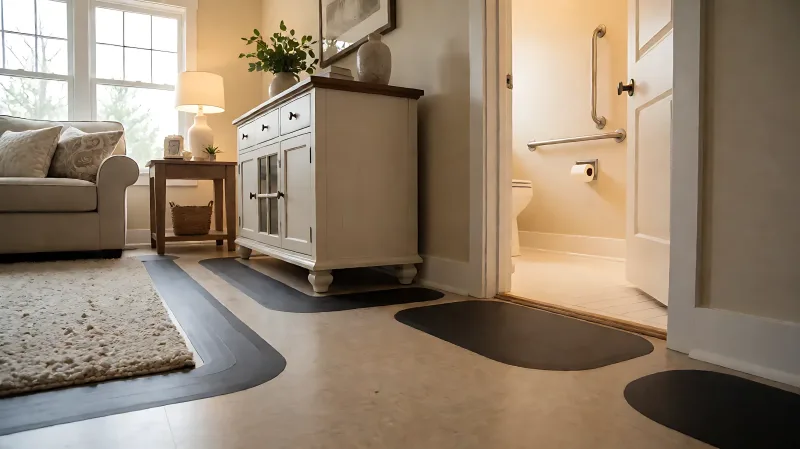
Falls are the leading cause of injury among adults aged 65 and older in the United States. This guide provides a practical, evidence-based checklist to identify and eliminate common home hazards, helping seniors maintain independence and safety.
Falls are the leading cause of injury-related deaths among U.S. adults aged 65 and older, according to the Centers for Disease Control and Prevention (CDC). Yet many of these accidents are preventable with simple home adjustments. This evidence-based checklist helps you identify hazards in key areas and implement fixes that reduce the risk of slipping, tripping, or falling. By following steps aligned with CDC recommendations, you can create a safer environment for aging family members without major construction projects.
For more information, see NIA healthy aging resources from the National Institute on Aging.
Why Is Home Safety Critical for Seniors?
The risk of falling increases with age due to changes in balance, strength, and vision. The CDC reports that more than one in four adults aged 65 and older in the U.S. falls each year. Most home accidents happen in familiar environments because hazards like loose rugs, poor lighting, and clutter become more difficult to navigate over time. Proactive safety audits are not just about cleaning; they are about structural and functional changes that support physical stability.
What Are the Most Common Home Hazards?
The most frequent causes of home falls include wet or smooth bathroom floors, trip hazards on staircases, and poorly lit pathways between rooms. The National Council on Aging emphasizes that small changes, such as removing throw rugs and improving lighting, can significantly reduce incident rates. It is important to look beyond visual clutter and examine the stability of flooring and the reach of everyday objects.
How Should You Secure Your Stairs and Steps?
Staircases are high-risk areas for falls because they require coordination and strength. An evidence-based approach requires a thorough inspection of every step. Start by checking for physical irregularities. Broken or uneven steps should be repaired immediately. Loose carpet on stairs is a major trip hazard; if the carpet cannot be secured, it is safer to remove it and install non-slip rubber treads instead. Additionally, ensure that no objects, such as shoes or books, are left on the treads. Clear, unobstructed stairs are essential for safe navigation.
Is Your Stair Lighting and Handrail Adequate?
Lighting is often overlooked but is critical for fall prevention. Every staircase should have a working light and a switch at both the top and bottom of the flight. The CDC recommends using light switches that glow or installing motion-sensor lights to help users see the path clearly at night. Handrails must be present on both sides of the stairway and should extend the full length of the stairs. If existing rails are loose, broken, or missing, have a professional install sturdy new ones. Proper grip support allows seniors to maintain balance when ascending or descending.
What Floor Hazards Need to Be Removed?
Floors throughout the house present continuous risks. Walk through each room and identify items that force you to step over or around objects. Wires and extension cords should be coiled or taped along the wall baseboards to keep them away from foot paths. If a wire creates a necessary power source for a frequently used appliance, consider having an electrician install an additional outlet to eliminate the cord hazard. Throw rugs and area carpets that slip when walked on should be removed or secured with double-sided tape and non-slip backing. A clean, open floor is the safest floor.
How Can You Make Bathrooms and Bedrooms Safer?
Bathrooms are the most common location for indoor falls due to wet surfaces. The CDC advises that every tub and shower should have a non-slip rubber mat or self-stick anti-slip strips applied to the floor. Wet feet on smooth ceramic tile are extremely slippery. Additionally, install grab bars both inside and next to the tub, as well as next to the toilet. These bars provide essential support when getting in and out of the shower or when standing up from a seated position. For bedrooms, focus on nighttime navigation. If the light switch near the bed is hard to reach, place a lamp on the nightstand where it is easily accessible. Install motion-activated nightlights in the path from the bed to the bathroom to ensure clear visibility without turning on bright overhead lights.
How Do You Organize the Kitchen for Safety?
The kitchen is where daily tasks create potential hazards. High shelves pose a fall risk because they require the use of step stools or reaching up on tiptoes, which compromises balance. The evidence-based solution is to reorganize the kitchen so that items used most frequently are stored on lower shelves, approximately waist-high. This simple change reduces the need for balancing acts. If a step stool is necessary, ensure it is a sturdy model with a handle for support. Never use a chair as a step stool, as chairs are not designed to support weight on their legs and can easily collapse. Keeping the kitchen counter and floor clear of clutter also creates a safer space for movement.
What Role Does Exercise Play in Fall Prevention?
Home modifications are only part of the strategy. The CDC and the National Institute on Aging (NIH) recommend that older adults engage in regular balance, flexibility, and strength training. Programs like tai chi or specific resistance exercises can improve physical stability. The CDC’s Stopping Elderly Accidents, Deaths & Injuries (STEADI) initiative encourages local community centers to offer these programs. Combining a safe home environment with physical fitness creates a comprehensive defense against falls.
Frequently Asked Questions
How often should I check my home for fall hazards?
It is recommended to perform a full safety audit at least once a year, or immediately after any injury or change in mobility. Regular weekly checks for loose rugs or clutter are also beneficial for maintaining a safe environment.
Are nightlights sufficient lighting for preventing falls?
Nightlights are helpful but should not be the only lighting source. You should also have functional switches at the top and bottom of stairs and adequate overhead lighting in main rooms to ensure clear visibility during the day and night.
What is the best type of anti-slip mat for a bathtub?
The CDC suggests using non-slip rubber mats that are specifically designed for bathroom floors, or professional self-stick strips. Ensure the mat adheres securely to the tub floor and is not placed so that it becomes a trip hazard when entering or exiting the tub.
Do I need a professional to install grab bars?
Yes, it is highly recommended to have a professional install grab bars. They must be anchored into wall studs to provide enough support to hold a person's weight. Improper installation can lead to bar detachment and injury.