How to Bridge the Digital Health Literacy Gap for Seniors
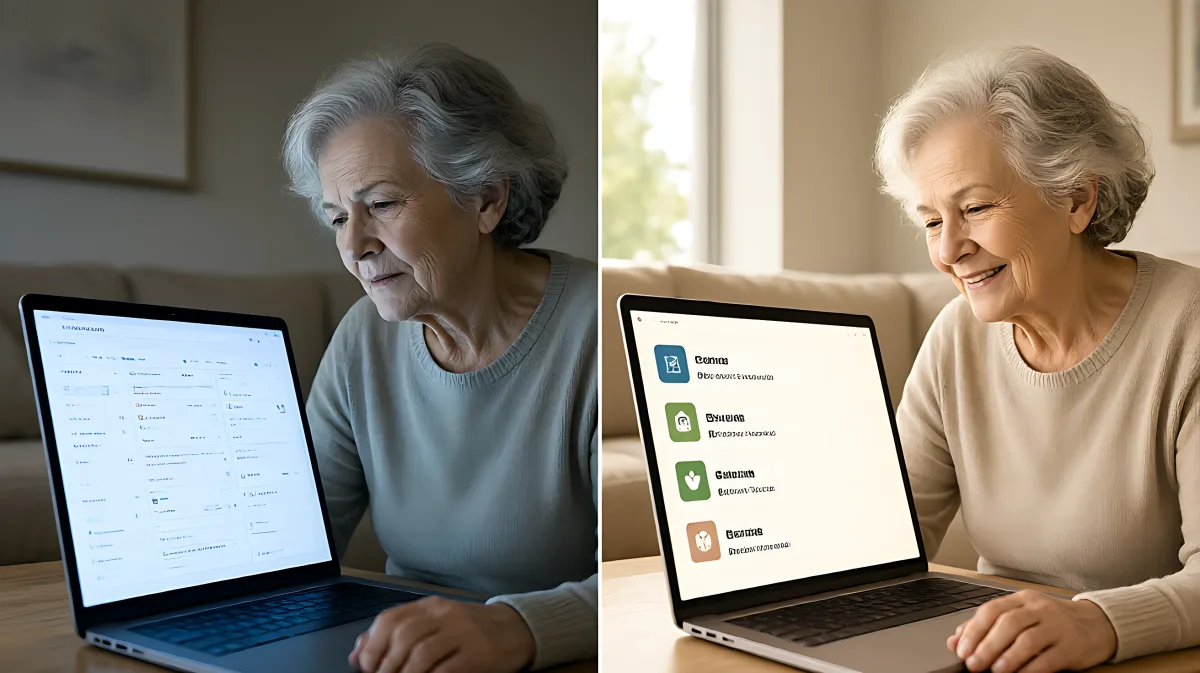
Digital health tools can improve care, but 91% of Medicare members struggle with low digital health literacy. Here is how to support seniors with practical, accessible solutions in 2026.
Low digital health literacy significantly impacts care access for older adults, with 91% of Medicare-eligible consumers reporting challenges that negatively affect their health management. While these barriers are common, 86% of seniors remain open to using digital tools if the design prioritizes simplicity, trust, and clear navigation. This gap is no longer just a convenience issue; it is now a regulatory and operational priority for US healthcare providers.
What Is the Digital Health Literacy Gap?
Digital health literacy (DHL) goes beyond basic smartphone skills. It refers to an individual’s ability to find, understand, and use digital information to manage their health. For seniors, this encompasses navigating patient portals, interpreting complex benefits language, managing prescription refills, and engaging in telehealth visits. According to research by CVS Health, this gap is deeply tied to health care access and engagement. When digital systems are difficult to use, the consequences are tangible: missed appointments, delayed diagnoses, and unmanaged chronic conditions.
The demographic pressure is increasing rapidly. By 2030, people aged 65 and older will represent one in five Americans. The CVS Health white paper notes that by 2040, the US population aged 65 and older is projected to reach 78.3 million, more than doubling the year 2000 population. This growth coincides with an increasingly digital healthcare landscape, meaning that the ability to navigate these tools is becoming a core determinant of health.
Who Is Most Affected by Low Digital Health Literacy?
While digital challenges are widespread, they are not distributed equally. Data from the CVS Health research indicates that low digital health literacy occurs more frequently among specific groups. Seniors with lower incomes, those who live alone, individuals with disabilities, and those residing in the Southern US face higher rates of digital barriers. In the studied population, 28% of respondents lived with disabilities affecting mobility, hearing, cognition, or vision. These physical and social factors intersect to create a compounded risk of digital exclusion.
Many families assume that if a senior is proficient with social media or grocery apps, they are comfortable with health tools. In fact, the two skills are rarely correlated. A person may confidently order a pizza online but feel significant anxiety when trying to log into a patient portal or decipher insurance jargon. Health tasks expose specific gaps that everyday app use does not, such as the need for security verification or the interpretation of clinical data.
What Are the Operational Risks of This Gap?
For healthcare systems, the digital literacy gap is an operational necessity to address. Low digital health literacy leads to predictable failures: login errors, misunderstood benefits, and prescription refill lapses. These issues are not just administrative; they drive up costs for payers and patients alike by increasing avoidable hospitalizations and emergency room visits.
Regulatory pressure is now forcing attention on this issue. The Centers for Medicare & Medicaid Services (CMS) established requirements for managed care plans to identify, educate, support, and report on members facing digital health challenges. This makes digital health literacy a compliance imperative, not just a customer service goal. As artificial intelligence and conversational support become more common in 2026, the need for clear, human-centered design is even more critical to prevent these technologies from widening existing disparities.
How Can We Support Seniors With Digital Health Tools?
Supporting seniors does not require forcing technology on them. Instead, it requires designing experiences that respect their preferences and capabilities. The research highlights that seniors are eager to learn when provided with the right support. They value clear instructions, secure login processes, and the assurance that their personal data is protected. Here is a checklist for families and caregivers to bridge the gap effectively:
- Simplify the Login Process: Ensure that accounts are set up with single sign-on options or biometric authentication where possible, reducing the cognitive load of remembering multiple passwords.
- Verify Privacy Concerns: Explicitly discuss data security. Explain what information is being shared, who can see it, and how to manage privacy settings to build trust.
- Pair Digital with Human Support: Schedule time to navigate new tools together. Many seniors prefer to have a real person available on the phone or in person when trying new platforms.
- Use Large-Format Devices: If screen vision is an issue, suggest using a tablet or computer rather than a small phone, and adjust the system font size to maximum readability.
- Focus on One Task: Do not overwhelm the user with the entire portal. Break down the process into single steps, such as just checking a lab result, before moving to scheduling an appointment.
Organizations like CVS Health are also taking systemic steps to close this gap. They are launching AI-native platforms like Health100, which is designed to act as a simplified front door to integrated care. Additionally, community health providers are offering classes on smartphone basics and providing internet access for those who lack it at home. These efforts recognize that digital access is a public health resource, not just a personal skill.
Frequently Asked Questions
Is digital health literacy the same as computer literacy?
No, digital health literacy is a specific subset of digital skills. It involves the ability to critically evaluate health information online, navigate complex medical portals, and understand digital privacy implications in a healthcare context. One can be a proficient computer user but still lack the specific confidence and knowledge required to manage health care digitally.
Why is the CMS requiring health plans to support digital literacy?
The Centers for Medicare & Medicaid Services recognize that digital tools are now standard in care delivery. Without support, low digital health literacy leads to poor outcomes, high costs, and health disparities. Requiring plans to identify and support members with these challenges ensures that digital transformation does not leave vulnerable populations behind and aligns care access with clinical quality goals.
What percentage of seniors are open to using digital health tools?
According to recent CVS Health research, 86% of Medicare-eligible seniors are open to digital health engagement. The key finding is that this willingness is high when the tools are designed with user experience in mind, offering simplicity, security, and human support. The barrier is not resistance to technology, but resistance to poorly designed or confusing interfaces.