How to Balance Medical Needs and Senior Independence
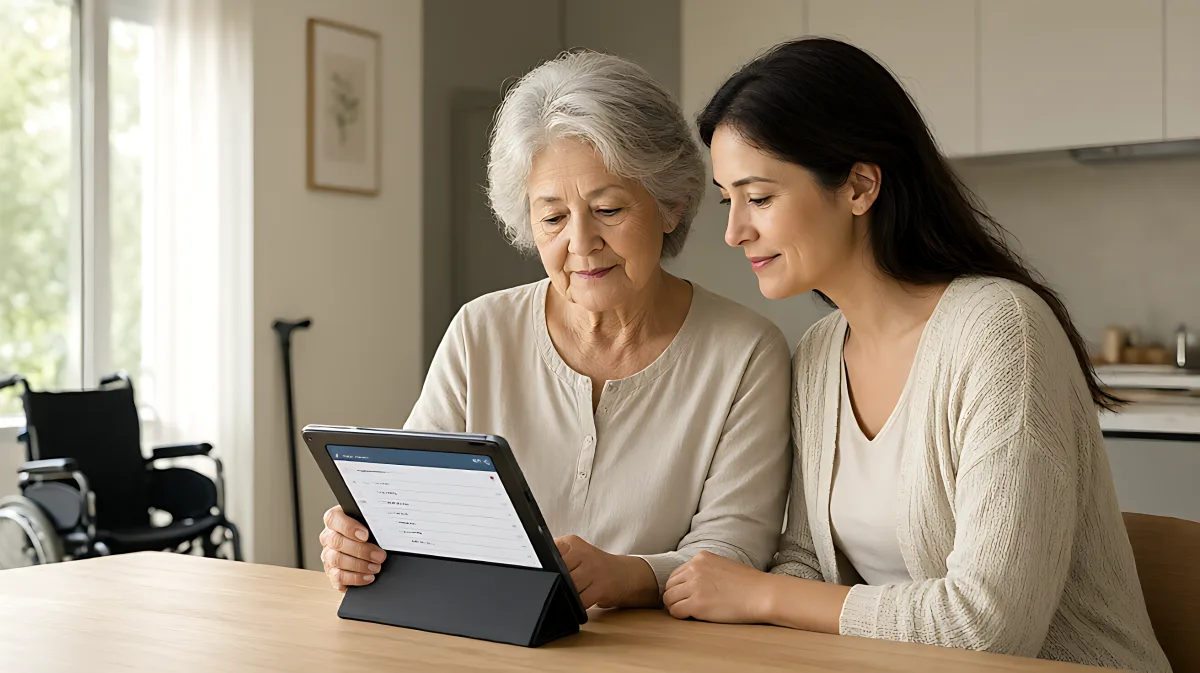
Navigating the shift from independent living to supported care is one of the most complex challenges families face. This guide explores how to respect personal freedom while managing growing medical needs.
Finding the right balance between medical needs and personal freedom requires shifting from a binary view of 'care' to a dynamic framework of supported autonomy. Rather than viewing independence as something lost entirely, families and healthcare providers should treat it as a spectrum that adjusts to individual capabilities. By utilizing flexible support tiers and clear communication, seniors can maintain control over their daily lives while receiving necessary medical oversight, a approach supported by recent gerontological research from the University of Southern California.
What defines independence in modern senior care?
Independence is often misunderstood as simply living alone or driving a car. In reality, it is defined by control over life choices, financial management, and personal routines. A senior may be fully independent in managing their calendar and social life while requiring assisted support for medication administration. This nuance is critical because conflating total independence with total dependence can lead to unnecessary institutionalization or, conversely, dangerous self-reliance.
How does the Safety-Autonomy Grid help families make decisions?
The Safety-Autonomy Grid, a framework developed by researchers at the Leonard Davis School of Gerontology, moves away from the idea that safety and autonomy are mutually exclusive. Instead, it positions them as fluid concepts that can coexist. For example, a person with mild cognitive impairment might retain the autonomy to choose their meals while receiving safety support through a structured environment. This framework encourages caregivers to assess risks on a case-by-case basis rather than applying blanket restrictions that can erode a senior's sense of agency and dignity.
When does home care become insufficient for medical needs?
Home care is highly effective for non-medical assistance, such as grooming, housekeeping, and companionship. However, it reaches its limits when a senior requires 24/7 skilled nursing or complex medical monitoring. According to U.S. News & World Report, the median monthly cost for home care assistance is significantly lower than residential options, but it lacks the infrastructure for acute care. Families should watch for specific warning signs, including frequent medication errors, social isolation, or repeated falls, which often indicate the need for a transition to a higher level of care.
What are the costs of transitioning to residential care?
Financial planning is a major component of balancing care needs. While home care can be more affordable for basic support, the costs change drastically as medical needs escalate. U.S. News & World Report data indicates that the median monthly cost for assisted living is approximately $6,200, whereas a private room in a nursing home averages $10,798. Understanding these figures helps families anticipate when it becomes more cost-effective and medically necessary to move from in-home support to a specialized community.
How can families preserve a senior's personal style and expression?
Personal freedom extends beyond major life decisions to small daily choices. Allowing seniors to express their identity through clothing, home decor, and food preferences reinforces their sense of self. For instance, adapting a favorite recipe to be sugar-free rather than removing it from the menu entirely respects their autonomy while addressing health constraints. This approach to 'supported risk' helps maintain confidence and reduces the psychological stress associated with aging and loss of control.
What is a practical checklist for balancing care and freedom?
- Conduct a capability audit: Identify which tasks the senior can perform safely alone and which require assistance.
- Establish clear boundaries: Have open conversations about safety risks and the senior's comfort level with physical help.
- Document wishes early: Use living wills and power of attorney documents to ensure medical decisions align with personal values.
- Monitor for transitional signals: Track falls, medication adherence, and social engagement to determine if home support is failing.
- Respect personal style: Maintain individual preferences in dress and decor to preserve dignity and identity.
What are the most common misconceptions about senior independence?
Many families assume that a loss of independence inevitably involves a loss of mobility, but in fact, cognitive changes often require more supervision than physical ones. For example, a person with dementia may walk without assistance but may need restrictions on where they go to prevent wandering and injury. This misconception can lead to inappropriate care levels. Furthermore, assuming that moving out of a home equates to losing independence is incorrect; many senior living communities are designed to enhance quality of life and social connection, thereby supporting independence in new ways.
FAQ
How do I know if my parent needs more medical support?
Look for signs like missed medication doses, unexplained weight loss, or increased frequency of falls. If home care providers report that the senior's condition is progressing beyond their scope of practice, it is time to consult a geriatric specialist to evaluate the need for residential care.
Is assisted living better than hiring a home aide?
Assisted living is generally better when 24/7 supervision and social community are needed, while home aides are better for flexible, part-time support. The decision should hinge on the level of medical complexity and the senior's preference for social interaction versus solitude.
Can a senior with dementia still make their own decisions?
Many individuals with early-stage dementia retain significant decision-making capacity. Using the Safety-Autonomy Grid, families can support these choices while adding safeguards for high-risk areas, ensuring the senior's voice remains central to care planning.