Managing Food Allergies in Senior Kitchens
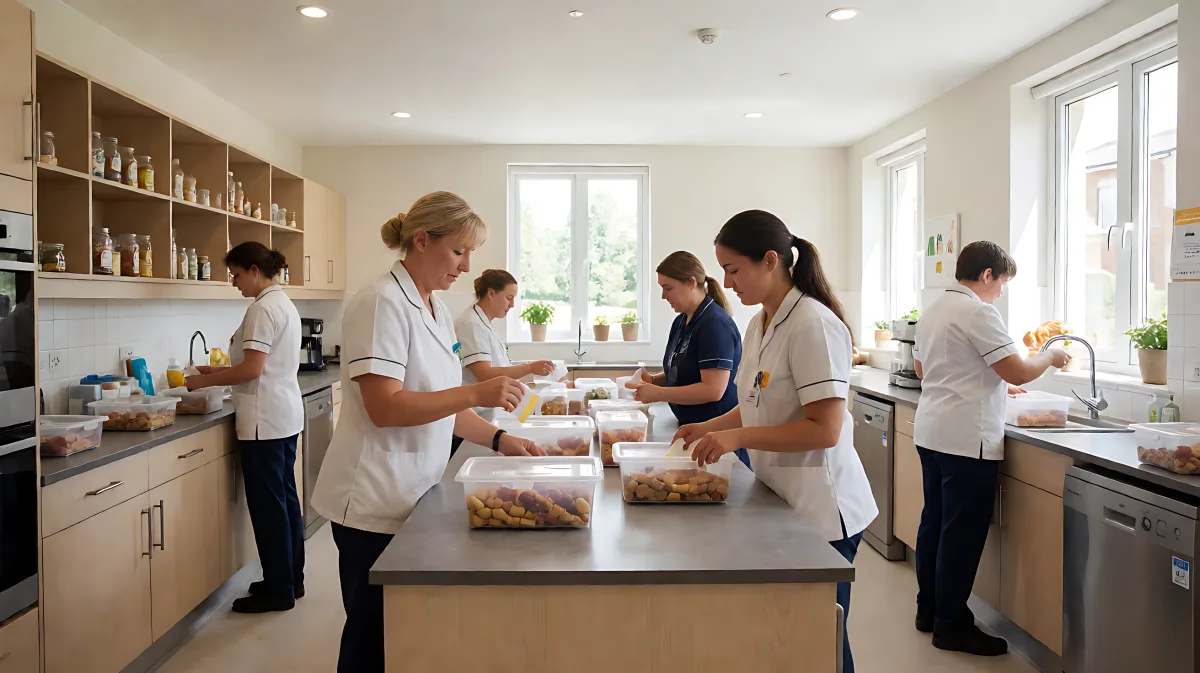
Food allergies in senior living communities require strict protocols to prevent cross-contact and ensure safe communal dining. This guide outlines practical steps for residents, families, and care teams to manage allergens effectively.
Communal senior kitchens manage food allergies by implementing strict cross-contact prevention protocols, maintaining individual resident allergy profiles, and training staff on emergency response. Dining teams use color-coded utensils, dedicated prep stations, and clear menu labeling to isolate allergens like peanuts, dairy, and gluten. This approach ensures that residents with sensitivities can eat safely alongside others without compromising their nutritional intake or social dining experience.
Why do food allergies pose greater risks in senior communal dining?
As adults age, physiological changes complicate food processing. Many seniors manage chronic conditions such as diabetes, kidney disease, or hypertension, which require specific dietary adjustments. Simultaneously, polypharmacy (the use of multiple medications) can interact with food components, while weakened immune responses may make allergic reactions more severe or difficult to recognize. In a shared kitchen environment, the risk of cross-contact is amplified. A single trace of an allergen on a shared cutting board or in a common pot of broth can trigger a reaction in a sensitive individual. For older adults, who may have swallowing difficulties (dysphagia) or cognitive impairments that delay reporting symptoms, these risks are even more critical. The goal of senior dining programs is not just to avoid triggers, but to maintain nutrient density and food variety for residents who have limited dietary options.
How do kitchen teams prevent cross-contact in shared spaces?
Cross-contact occurs when residues of allergenic ingredients come into contact with safe foods. To mitigate this, senior dining facilities adopt specific operational controls. Staff utilize color-coded utensils and cutting boards for different allergen families, ensuring that peanut-prep tools never touch dairy-free zones. Many communities, such as Living Well Community in Florida and The Gardens of Richardson in Texas, implement dedicated equipment for common triggers. For instance, a specific toaster or fryer might be reserved exclusively for gluten-free residents to prevent microscopic flour particles from contaminating safe meals. Rigorous cleaning protocols are enforced after each use of shared surfaces. Furthermore, menus are labeled with standardized icons and 'contains' notices, allowing residents to identify safe dishes at a glance. This transparency reduces anxiety and allows dietary managers to verify that suppliers are adhering to allergen-free claims during quarterly audits.
What role do individual allergy profiles and medical oversight play?
Safe dining relies on accurate data. Every resident in a senior community should have an up-to-date allergy profile included in their care plan. These profiles document specific foods to avoid, approved substitutions, and emergency contact information. Clinical staff, including registered dietitians and nursing teams, review these profiles quarterly or immediately following any change in a resident's health status. This collaboration ensures that meal modifications account for both allergies and broader nutritional needs, such as increased protein for wound healing or low-sodium options for heart health. For severe cases, the care team coordinates with primary care providers to ensure emergency medications, such as epinephrine auto-injectors, are accessible and that all staff are trained in their administration. This proactive medical oversight transforms the dining room from a potential hazard into a supportive environment where health and social connection coexist.
How can residents and families actively manage dietary safety?
Resident participation is key to successful allergy management. Families and residents should adopt the following checklist to ensure their safety and comfort within the community:
- Conduct a comprehensive intake review: Share complete medical histories, including all known allergies, intolerances, and current medication lists, with the dining services coordinator and care team.
- Establish a communication protocol: Designate a family member or point of contact to serve as a liaison for dietary updates, ensuring that any new reactions or physician recommendations are relayed immediately to staff.
- Utilize visual aids: Wear a dining identification card or wristband that clearly flags severe allergies, alerting servers and kitchen staff during meal service to prevent accidental servings of unsafe food.
- Participate in menu planning: Attend regular taste-testing sessions and resident advisory meetings to provide feedback on allergen-free alternatives, helping the kitchen refine recipes for both safety and palatability.
- Verify emergency readiness: Confirm with nursing staff that epinephrine and other emergency medications are stored correctly and that all kitchen and dining staff have completed recent training on recognizing anaphylaxis symptoms.
What are common misconceptions about senior dietary needs?
Many families assume that a senior's dietary restrictions are static and simple, but in fact, they are dynamic and complex. A common mistake is conflating food intolerance with true allergy. While a lactose intolerance may cause digestive discomfort, a milk protein allergy can trigger anaphylaxis. Treating them identically is insufficient. Furthermore, many assume that 'allergen-free' simply means removing the main ingredient. However, hidden sources of allergens are frequent; for example, soy is often found in broths, sauces, and processed meat substitutes, while sesame may appear in dressings and baked goods. Senior communities address this by auditing supplier labels and using standardized recipes that trace ingredients back to their source. Assuming that cross-contact can be managed by simply 'cleaning the area' is another dangerous misconception. Without dedicated equipment and strict color-coding, residual proteins can remain on surfaces, posing a significant risk to highly sensitive residents.
What should a family do if they suspect a food reaction?
If a resident exhibits symptoms such as difficulty breathing, rapid swelling of the face or throat, or loss of consciousness, immediate medical attention is required. Staff should follow established emergency protocols, which include administering epinephrine if prescribed and calling emergency services. For milder symptoms like localized hives or gastrointestinal upset, the incident should be documented and reported to the nursing team for assessment. After any suspected reaction, the facility should conduct a review of dining records to identify the likely trigger and adjust the resident's allergy profile accordingly. Open communication between the family, the dietitian, and the medical team ensures that future menus are adjusted to prevent recurrence.
Frequently Asked Questions
How often should senior allergy profiles be updated?
Facilities like Eldorado Senior Homecare in California recommend reviewing dietary profiles at least quarterly. However, updates must happen immediately whenever a resident experiences a new reaction, changes medication, or receives new guidance from a physician. Regular reviews ensure that the dining program remains responsive to changing medical needs.
Can senior kitchens effectively prepare allergen-free meals for large groups?
Yes, by using dedicated prep stations and color-coded tools. While serving large populations is logistically challenging, strict separation of equipment and meticulous cleaning protocols allow kitchen teams to prepare safe meals for residents with severe allergies without compromising the safety of other diners.
What are the signs of a severe allergic reaction in older adults?
Severe signs include difficulty breathing, wheezing, throat tightness, rapid swelling of the lips or tongue, and loss of consciousness. Because seniors may have atypical symptom presentations, staff are trained to watch for subtle changes in behavior or speech alongside physical signs. Any respiratory or cardiovascular distress requires immediate emergency response.
How do communities handle hidden allergens in processed foods?
Dining teams audit supplier labels regularly to verify 'allergen-free' claims. They also avoid ambiguous ingredients and use standardized recipes with traceable sourcing. Staff are trained to read 'may contain' warnings on packaged goods and to avoid products with unclear ingredient lists, particularly for residents with high sensitivity levels.