Senior Kitchen Fire Safety Mistakes to Avoid
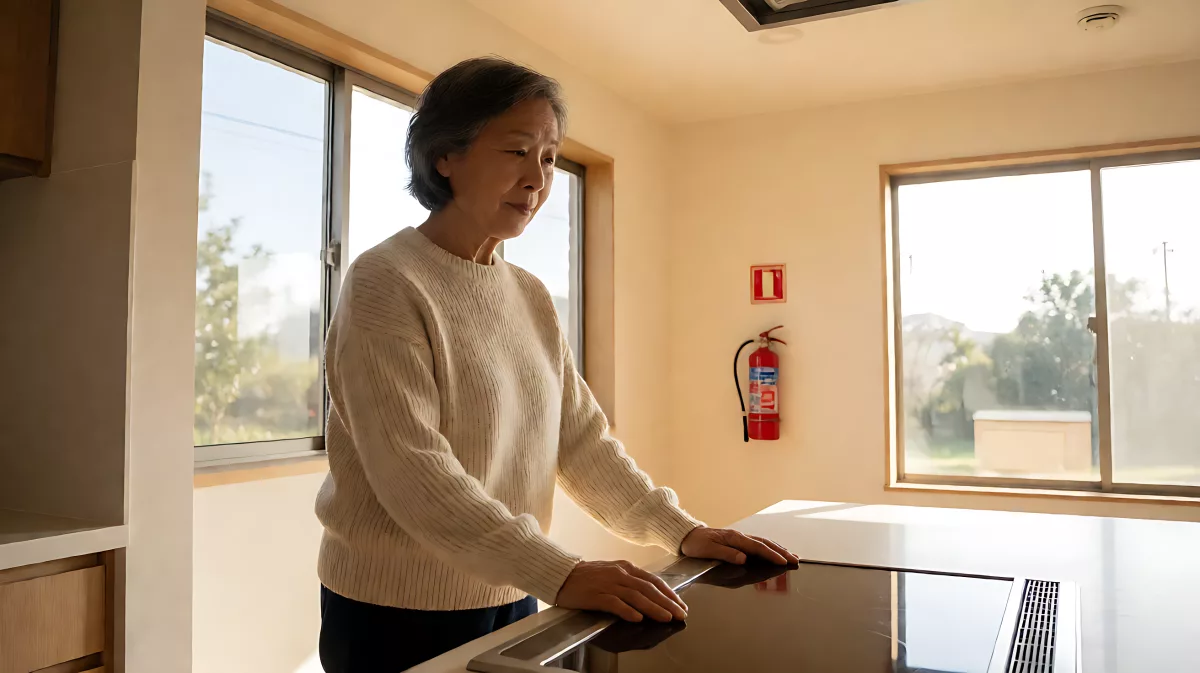
Cooking remains a top cause of residential fires, posing unique risks for older adults. This guide highlights critical mistakes in stove usage, equipment maintenance, and emergency planning that seniors can fix today to enhance safety and independence.
Cooking fires are a leading cause of home emergencies, yet many seniors inadvertently make preventable mistakes that increase risk. To stay safe, you must never leave heat sources unattended, ensure automatic shut-off features are functional, and maintain a clear, unobstructed evacuation path. By eliminating these common errors, you can significantly reduce the chance of injury or property damage while maintaining your independence in the kitchen.
Why do seniors face higher kitchen fire risks?
The risk of fire and injury in the kitchen rises with age due to slower reaction times and changes in sensory perception. According to the Fire and Safety Journal Americas, cooking fires account for nearly half of all residential fires, resulting in over 150 fatalities and thousands of injuries annually. For older adults, the margin for error is smaller because heat may look less intense to aging eyes, or a slight delay in movement can turn a minor smoke incident into a major fire. Additionally, mobility issues can make it difficult to escape a kitchen quickly if a grease fire spreads.
What are the most common mistakes when using stoves and ovens?
One of the most frequent errors is leaving cooking tasks unattended. Seniors may step away for a phone call or a quick task, forgetting that oil can ignite in seconds. Another mistake is using gas burners instead of induction cooktops, which pose a lower risk of accidental ignition. If you use a gas range, ensure the automatic shut-off valve is installed and functional. This technology prevents gas leaks if a flame is blown out or goes out unexpectedly. Never rely on memory alone; set a loud timer for any recipe that requires attention even for a few minutes.
How should you manage flammable materials in the kitchen?
Many kitchen layouts encourage the placement of dish towels, paper products, and loose clothing near heat sources, which is a significant hazard. A primary mistake is letting pot handles hang over the edge of the counter. This makes it easy to bump the handle with an elbow or a passing object, spilling hot contents. Always turn handles inward. Keep all flammable items at least three feet away from the stove. This buffer zone is critical because heat rises and can ignite materials that seem far away. Furthermore, avoid wearing loose-fitting robes or sleeves while cooking, as these can catch on open flames or hot surfaces.
Do you have a proper fire extinguisher?
Having a fire extinguisher is not enough; you must know how to use it. A common mistake is keeping a standard water-based extinguisher for kitchen use. You need a multipurpose ABC-rated extinguisher that can handle electrical and grease fires. Placing it within easy reach of the stove but not so close that it is in the path of a fire is essential. Remember, never use water on a grease fire, as this will cause the burning oil to splatter and spread the flames explosively. Instead, smother the fire with a metal lid or use baking soda for small incidents.
What ventilation and carbon monoxide errors should you avoid?
Poor ventilation is a silent hazard that allows smoke and gas to build up, increasing the risk of carbon monoxide poisoning. If you use gas appliances, you must ensure the kitchen is well-ventilated and that any carbon monoxide detectors are working. A frequent mistake is ignoring the need for regular detector testing. Smoke and carbon monoxide alarms should be tested monthly to ensure they are functional. Many seniors miss the faint beep of a low battery until it is too late. Make it a routine habit to check these devices during your monthly maintenance check. Additionally, ensure that range hoods are cleaned regularly, as grease accumulation inside the ductwork is a major cause of severe kitchen fires.
Are your electrical appliances safe?
Electrical fires often start due to overload or faulty cords. A common error is using multiple extension cords or power strips in the kitchen, which can overheat if too many appliances are plugged in simultaneously. Inspect your appliance cords regularly for fraying or damage. If you notice any cracks in the plastic sheathing, replace the appliance immediately. Keep small appliances like toasters and kettles unplugged when not in use. Storing them near cabinets or on the counter plugged in adds unnecessary risk. Ensure all outlets are ground-fault circuit interrupters, which shut off power if they detect a leak to ground, providing a critical layer of protection against electrocution.
How can you prevent falls that lead to kitchen accidents?
While not a direct fire cause, falls in the kitchen can result in burns or injuries if a senior falls onto a hot stove or spills a pot of boiling liquid. A major mistake is wearing socks or slippers on smooth tile floors. Always wear non-slip footwear when cooking. Another error is using unstable objects like chairs or boxes as step stools to reach high cabinets. Use a sturdy step stool with a built-in handrail and non-slip feet. Organize your kitchen so that frequently used items are stored at waist level. This reduces the need to bend down or reach overhead, which minimizes strain on joints and the risk of losing balance.
What role does lighting play in safety?
Dim lighting is a subtle but dangerous mistake. Inadequate light makes it harder to see spills on the floor or small flames in a pan. Install bright, glare-free bulbs throughout the kitchen, paying special attention to areas under cabinets and near the stove. Good lighting helps you see hazards before they become accidents. For seniors with vision changes, high-contrast markers on stove knobs can help distinguish between "on" and "off" positions clearly.
What is the best emergency plan for a senior kitchen?
Many seniors make the mistake of not having a quick exit strategy. Develop a clear evacuation plan that accounts for any mobility limitations. Know where the nearest exit is and ensure the path is free of obstacles like bags, shoes, or loose rugs. Keep a charged phone on the counter, not in a drawer or on a distant table. This allows you to call emergency services immediately if the fire spreads. Practice what to do if smoke fills the kitchen: turn off the gas if it is safe to do so, cover the fire if small, and evacuate if it is not under control. If you live alone, consider a medical alert system with a kitchen pendant, so you can call for help even if you cannot reach a phone.
Frequently Asked Questions
How often should I clean my range hood filter?
You should wash the grease filter in your range hood at least once a month. Grease buildup traps oil, which can ignite if left too long near the heat source. A clean filter allows smoke to vent efficiently, reducing the chance of fire and improving air quality.
Is it safe to leave the kitchen while food is in the oven?
Yes, it is generally safe to leave the kitchen if the food is baking or roasting in the oven, provided you have set a timer. The risk of fire is lower in ovens than on stovetops because the heat is enclosed. However, always ensure the timer is set to a loud alarm so you are reminded when the food is done and the oven can be turned off.
What temperature should my water heater be set to?
The Centers for Disease Control and Prevention recommends setting your water heater to 120 degrees Fahrenheit. This temperature is hot enough to kill bacteria but cool enough to prevent severe scalding burns, which can happen quickly on aging skin.
Should I use an induction cooktop or a gas stove?
Induction cooktops are safer for seniors because they heat the pot directly rather than the surface, and they turn off automatically if the pot is removed. Gas stoves can produce open flames that may be harder to control. If you use gas, ensure you have a functioning automatic shut-off valve and a carbon monoxide detector installed nearby.