Processed Meat Colon Cancer Risk: Bacon & Sausage Evidence
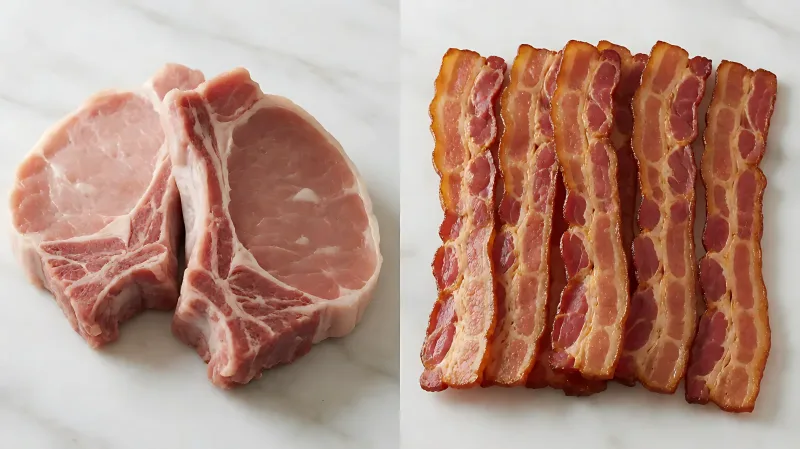
A large 2020 study found that eating just three slices of ham a day increases bowel cancer risk. Here is the scientific breakdown of why processed meats like bacon and sausage are linked to colon cancer.
Eating an average of 79 grams of processed meat daily, roughly three slices of sandwich ham, is associated with a 32% increased risk of bowel cancer compared to minimal consumption. This finding comes from a major analysis published in the International Journal of Epidemiology. While the World Health Organization (WHO) classifies processed meat as a Group 1 carcinogen, the actual risk depends on long-term daily habits rather than a single meal. Reducing intake to under 70 grams per day can significantly lower this risk.
For more information, see CDC colorectal cancer screening from the CDC.
What Is Processed Meat and How Does It Differ from Red Meat?
It is common to confuse red meat and processed meat, but health authorities treat them differently. The WHO defines processed meat as meat that has been transformed through salting, curing, fermentation, smoking, or other processes to enhance flavor or improve preservation. Common examples include hot dogs, ham, sausages, corned beef, and bacon.
Red meat, conversely, refers to all mammalian muscle meat, including beef, veal, pork, lamb, and goat, when sold fresh. White meats, such as chicken and turkey, are not classified the same way. The IARC, a unit of the WHO, classifies processed meat as a Group 1 carcinogen. This means there is sufficient evidence that it causes cancer in humans. Red meat is classified as Group 2A, meaning it is probably carcinogenic. This distinction is crucial for dietary planning, as the evidence for processed meat is stronger and more definitive.
Which Chemicals in Bacon and Sausage Increase Cancer Risk?
The risk associated with processed meat is not just about the protein content but the chemical compounds added during preservation. Three primary groups of compounds have been linked to bowel and colon cancer in research:
- Sodium Nitrite: Added to many commercial sausages and bacon to preserve color and prevent bacterial growth. When exposed to high heat, nitrite can form nitrosamines, which are potent carcinogens.
- Heterocyclic Amines (HCAs): Formed when meat is cooked at high temperatures, such as when frying bacon or grilling sausages.
- Polycyclic Aromatic Hydrocarbons (PAHs): Produced when fat drips onto hot coals or when meat is smoked over open fires.
Animal studies have shown that nitrosamines play a major role in the formation of bowel cancer. While these compounds are present in the food, the amount you ingest depends heavily on how you cook it. Frying bacon at very high temperatures or charring sausage links on a grill increases the concentration of these harmful substances.
How Much Meat Should You Eat to Lower Your Risk?
The study analyzed data from approximately 500,000 UK adults over nearly seven years. The results indicated that even moderate consumption matters. Participants who ate an average of 79 grams of processed and red meat per day had a 32% higher risk of bowel cancer compared to those who ate less than 11 grams daily.
To put this in perspective, 79 grams is roughly equivalent to three slices of sandwich ham or two small sausages. UK government guidelines recommend limiting consumption to 70 grams or less per day. If you consume more than 90 grams daily, cutting back to 70 grams or fewer can help reduce your risk. There is currently no established "safe" level that completely eliminates risk, but lower intake is consistently associated with better outcomes.
Does Cooking Method Change the Cancer Risk?
Yes. The method of cooking significantly impacts the chemical profile of the meat. High-heat cooking methods, such as deep-frying or grilling over an open flame, maximize the production of HCAs and PAHs. For example, well-done meat or charred portions contain higher levels of heterocyclic amines. Conversely, gentle cooking methods like steaming or slow-roasting produce fewer of these compounds.
If you continue to eat processed meats, consider boiling or steaming rather than frying. Avoid consuming the blackened, charred parts of grilled meats. While you cannot completely eliminate the risk without stopping processed meat consumption, minimizing high-heat preparation can reduce the specific chemical burden on your digestive system.
Who Is at the Highest Risk?
While the entire population is affected by long-term dietary habits, certain groups face compounded risks. Smokers who also consume high amounts of processed meat face a synergistic effect, as tobacco smoke contains its own carcinogens that can interact with meat-derived compounds. Additionally, individuals with a family history of colorectal cancer or inflammatory bowel disease should be particularly vigilant about processed meat intake.
It is also worth noting that processed meat is often high in sodium chloride. Excessive salt intake is linked to high blood pressure and may increase the risk of stomach cancer by altering the stomach lining and promoting the growth of Helicobacter pylori. Reducing sodium intake through fewer processed meats helps protect both cardiovascular and digestive health.
Frequently Asked Questions
Does one slice of bacon cause colon cancer?
No, a single serving does not cause cancer. The risk is associated with chronic, long-term consumption. The 32% risk increase observed in major studies applies to people who eat an average of 79 grams of processed meat every day over many years. Occasional consumption is not considered a significant hazard.
Is home-cooked sausage as risky as store-bought processed meat?
Generally, no. The WHO and IARC definitions of processed meat specifically refer to industrial processing involving curing, smoking, or the addition of preservatives like sodium nitrite. A sausage made at home from fresh ground meat without added preservatives is typically categorized differently, though it still contains fats and proteins that require moderation as part of a balanced diet.
Can I replace processed meat with fresh red meat to lower risk?
Yes, but with caution. Replacing processed meat with fresh red meat removes the risk associated with preservatives like nitrite. However, fresh red meat is still classified as a Group 2A carcinogen by the IARC. It is safer than processed meat, but health experts still recommend limiting total red meat intake to under 70 grams per day to minimize overall cancer risk.
What are the best ways to cook bacon safely?
To reduce the formation of harmful heterocyclic amines, avoid frying bacon until it is burnt or charred. Cooking it gently over medium heat until it is no longer pink but not blackened can help. Draining the fat after cooking also reduces the intake of saturated fats, which supports heart health alongside cancer prevention efforts.