Does Skipping Breakfast Worsen Insulin Resistance? Research
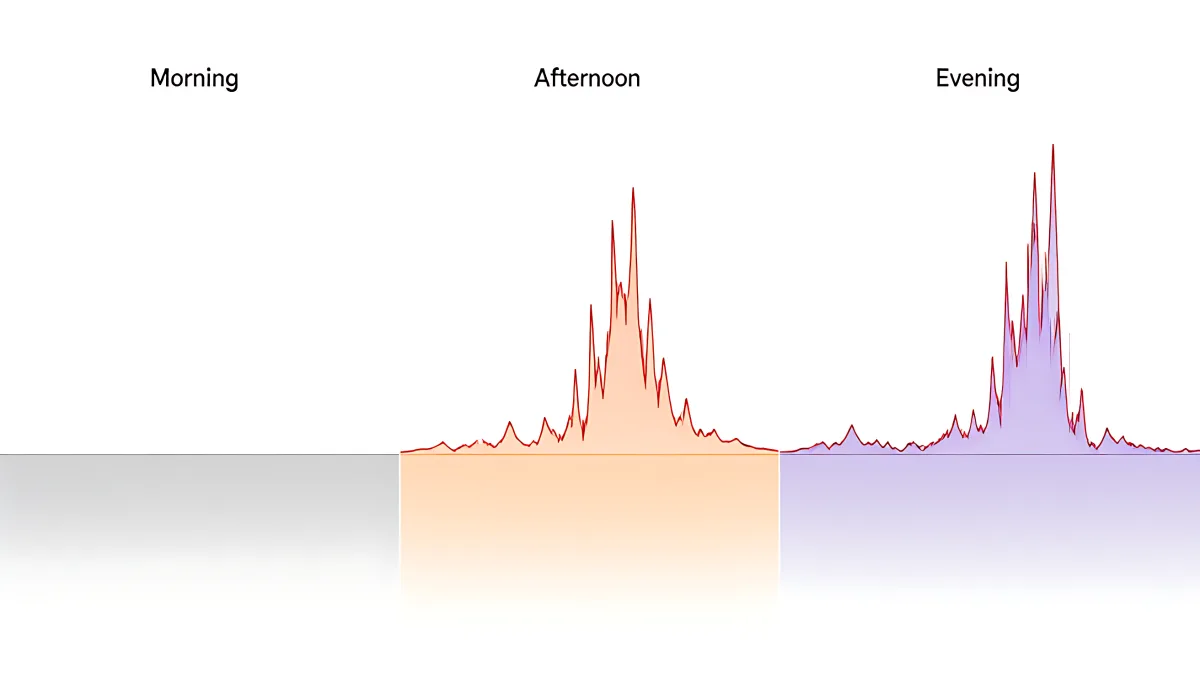
Contrary to popular belief, omitting morning meals may damage metabolic health. Explore how meal timing impacts glucose spikes and insulin sensitivity based on recent clinical trials.
Skipping breakfast does not improve insulin sensitivity; it typically worsens glucose control for people with prediabetes. Research indicates that omitting the morning meal leads to higher blood sugar spikes after lunch and dinner, disrupting metabolic stability throughout the day.
For many individuals managing blood sugar levels, the timing of meals is just as critical as the food itself. The myth that fasting overnight or skipping breakfast aids weight loss or metabolic health is increasingly being dismantled by rigorous clinical trials. While intermittent fasting has gained popularity, the specific practice of extending the overnight fast by skipping breakfast yields different results than other fasting protocols.
Why Skipping Breakfast Disrupts Glucose Control
The body processes fuel differently based on circadian rhythms. When you skip breakfast, you extend the overnight fasting period. This forces the body to rely on fat metabolism for longer than usual. While this sounds efficient, it often leads to a phenomenon known as metabolic inflexibility. When you finally do eat, your body struggles to switch back to using glucose, resulting in a sharper insulin response.
A randomized clinical trial published in Diabetes Care observed that participants with type 2 diabetes who skipped breakfast experienced significant postprandial hyperglycemia after subsequent meals. The study found that blood sugar spikes after lunch and dinner were markedly higher compared to days when breakfast was consumed. This suggests that the act of skipping the morning meal impairs the pancreas’s ability to handle glucose later in the day.
How Insulin Responds to Extended Fasts
During a standard overnight fast, insulin levels drop naturally. However, when this fast is extended by skipping breakfast, the subsequent meal triggers an exaggerated insulin release. This overproduction can lead to rapid blood sugar drops, followed by compensatory spikes. For someone with prediabetes, who already has reduced insulin sensitivity, this volatile pattern is particularly damaging.
Data from a specific analysis showed that on days where breakfast was omitted, the homeostasis model assessment for insulin resistance increased by 54 percent. This metric is a standard tool for estimating insulin sensitivity in research settings. The rise indicates that the body requires more insulin to process the same amount of glucose, a hallmark of worsening insulin resistance.
Common Misconceptions About Fasting and Insulin
Many families assume that skipping meals automatically enhances metabolic flexibility, but in fact, the evidence points to the opposite for glucose management. Confusion often arises because some studies on time-restricted eating show benefits for insulin sensitivity. However, these protocols typically involve eating earlier in the day and finishing dinner early, not skipping breakfast.
There is a crucial distinction between early time-restricted feeding and breakfast skipping. Early time-restricted feeding, where dinner is consumed by early afternoon and breakfast is still eaten, has been linked to improved blood pressure and oxidative stress markers in men with prediabetes. Conversely, skipping breakfast shifts the eating window later, which research consistently associates with worse glucose outcomes.
Another misconception is that the total calorie count matters more than timing. Studies have shown that even when total caloric intake remains identical, skipping breakfast elevates average 24-hour blood glucose levels. In one trial, average blood glucose rose from 83 mg/dL to 89 mg/dL on days when breakfast was skipped, despite no change in total energy intake. This proves that meal timing independently affects glucose homeostasis.
Practical Steps for Better Metabolic Health
If you are diagnosed with prediabetes or have insulin resistance, adjusting your meal timing can be a powerful tool for stabilizing blood sugar. Instead of skipping meals, focus on aligning your eating window with your body's natural circadian clock. Here is a checklist to help you optimize your routine:
- Eat Breakfast Before 10 AM: Aim to consume your first meal within two to three hours of waking up. This keeps your metabolic processes in sync with daylight.
- Balance Macronutrients: Include protein and fiber in your morning meal. These nutrients blunt the initial glucose spike and promote satiety, preventing overeating later.
- Finish Dinner Early: Align your last meal with early time-restricted feeding principles by eating dinner no later than 4:00 PM or 5:00 PM. This allows for a longer overnight fast without skipping morning meals.
- Move After Meals: A ten to fifteen minute walk after eating has been shown to significantly improve glucose uptake by muscles, acting as a natural buffer against spikes.
- Monitor Trends: Use a continuous glucose monitor or regular finger-prick testing to track how your blood sugar responds to different meal timings. Data is more valuable than anecdotes.
These steps help maintain glucose stability without the metabolic shock of prolonged fasting. By keeping breakfast on the table and dinner off the table late at night, you support insulin sensitivity rather than hindering it.
Frequently Asked Questions
Does skipping breakfast really increase blood sugar spikes?
Yes. Clinical data indicates that omitting breakfast can increase postprandial glucose responses after lunch and dinner. This occurs because the body’s insulin response becomes less efficient after a longer fast, leading to higher blood sugar levels following subsequent meals.
Is intermittent fasting bad for people with prediabetes?
It depends on the protocol. Standard intermittent fasting that skips breakfast is associated with worse glucose control. However, early time-restricted eating, which involves finishing dinner early but still eating breakfast, has shown potential benefits for insulin sensitivity and blood pressure in prediabetic individuals.
How much should I eat for breakfast to improve insulin sensitivity?
Research suggests that breakfast should contribute approximately 20 to 30 percent of your daily caloric intake for optimal cardiovascular and metabolic health. The focus should be on protein and fiber-rich foods rather than high-sugar pastries to manage glucose levels effectively.
Can exercise offset the negative effects of skipping breakfast?
While physical activity improves overall insulin sensitivity and helps manage blood sugar, it does not fully compensate for the specific glucose dysregulation caused by skipping breakfast. Sedentary behavior combined with breakfast skipping leads to the highest levels of metabolic inflexibility.
At what age does skipping breakfast become more dangerous?
Risks increase with age due to natural declines in metabolic flexibility. Studies following older adults show that habitual breakfast skipping is linked to faster cognitive decline and higher mortality rates in those over 60, making morning nutrition particularly critical for senior health.