Blender Smoothies Guide: Calories, Protein, and Dental Health
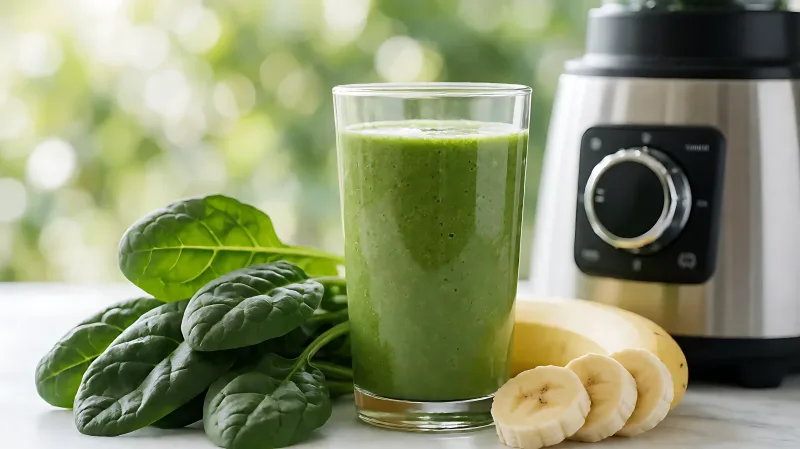
Wondering if your daily smoothie is hurting your enamel? Discover the dental risks of blended fruits and how to build a balanced, protein-rich drink that supports oral health and energy levels.
Blender smoothies are a convenient way to boost nutrient intake, but the high sugar content in many fruit-based recipes can increase the risk of tooth decay and enamel erosion. By combining leafy greens, low-sugar fruits, and protein sources like Greek yogurt, you can create a balanced drink that supports dental health while providing essential calories and muscle-building protein for active adults and seniors.
For more information, see NIH Office of Dietary Supplements from the National Institutes of Health.
What is the Dental Impact of Drinking Smoothies Daily?
The primary dental concern with smoothies is acidity. Many fruits, particularly citrus and berries, have low pH levels that can soften tooth enamel when consumed in large quantities. According to the American Dental Association, frequent exposure to acidic liquids can lead to enamel erosion, making teeth more susceptible to cavities and sensitivity. Unlike eating whole fruit, where fibers stimulate saliva production and mechanical action helps clean teeth, sipping a liquid acid bath keeps your mouth in a low-pH state for longer.
To mitigate this risk, it is advisable to use a straw to bypass the front teeth, which are often the most affected by acid erosion. Additionally, waiting 30 minutes after drinking the smoothie to brush your teeth allows saliva to neutralize the acid. Brushing immediately after consuming acidic drinks can actually spread the acid across the tooth surface, potentially damaging softened enamel. Water is the safest rinse to use immediately after your drink to clear out residual sugars and acids.
How Do Smoothies Affect Blood Sugar and Energy?
Smoothies can be calorie-dense depending on the ingredients chosen. A standard serving of fruit juice contains concentrated sugars without the fiber found in whole fruit, leading to rapid spikes in blood glucose. To manage this, always blend whole fruits rather than adding juice. The fiber in whole fruits, such as raspberries and bananas, slows down sugar absorption. This is particularly important for adults managing pre-diabetes or those looking to maintain stable energy levels throughout the day.
What Are the Best Protein Sources for a Balanced Smoothie?
Protein is essential for maintaining muscle mass, especially as we age. The Centers for Disease Control and Prevention recommends adequate protein intake to support immune function and tissue repair. Incorporating protein into your smoothie helps with satiety, reducing the urge to snack on sugary foods later in the day. Some of the most effective protein sources include whey protein, Greek yogurt, and plant-based options like pea protein.
Whey protein is highly bioavailable, meaning the body absorbs it efficiently. It contains leucine, an amino acid that plays a critical role in muscle protein synthesis. For those avoiding dairy, pea protein is a strong alternative. When choosing protein powders, check for added sugars and artificial flavors. The National Institutes of Medicine suggests that a moderate protein addition of 10 to 20 grams per smoothie is sufficient for most healthy adults to meet daily nutritional needs without excess calories.
How Many Calories Are in a Typical Smoothie?
The calorie count of a smoothie varies widely based on ingredients. A simple water and banana smoothie might contain 150 to 200 calories, while a recipe featuring avocado, peanut butter, and whole milk can easily exceed 500 calories. For those monitoring weight, using water or unsweetened almond milk as the base instead of dairy or juice can significantly lower the calorie density without sacrificing nutrition. Adding fats like nuts or seeds provides healthy calories that support brain health and hormone production.
How Can You Make Smoothies Tooth-Friendly?
You can make a smoothie dental-friendly by balancing the acidic ingredients with neutral or alkaline ones. Leafy greens like spinach and kale have a high pH and do not contribute to acidity. Pairing a high-sugar fruit like mango with neutral ingredients like coconut water or cucumber helps dilute the sugar content. The FDA notes that reducing sugar intake is one of the most effective ways to prevent cavities. By keeping the sugar portion of your smoothie moderate, you reduce the food source for plaque-causing bacteria.
What Ingredients Should You Avoid for Oral Health?
Avoid adding honey, agave syrup, or fruit juice concentrates, as these are essentially pure sugars that stick to tooth surfaces and feed bacteria. Dark fruits like blueberries and blackberries can stain teeth, but they are generally safe for dental health if consumed in moderation. The key is not to avoid fruits entirely but to balance them with protein and greens. For seniors, maintaining tooth structure is crucial for chewing solid foods; protecting enamel through dietary choices now ensures better dental outcomes in later years.
Frequently Asked Questions
Do smoothies cause more cavities than eating whole fruit?
Yes, smoothies can pose a higher risk for cavities than whole fruit. Blending fruit breaks down fiber, releasing sugars more rapidly and making them easier for oral bacteria to metabolize. Whole fruit requires chewing, which stimulates saliva production. Saliva acts as a natural cleanser and buffer against acid, whereas smoothies offer this mechanical cleaning benefit to a much lesser degree.
What is the best liquid base for a low-calorie smoothie?
Water or unsweetened almond milk are the best low-calorie bases. Water adds zero calories, while unsweetened almond milk provides trace nutrients and a creamy texture with roughly 30 to 40 calories per cup. Avoid orange juice or sweetened coconut water if you are trying to limit sugar intake, as these can add significant calories and acidity to the mixture.
How much protein should I add to my daily smoothie?
For most healthy adults, adding 15 to 20 grams of protein is a good target. This amount supports muscle maintenance and satiety without adding excessive calories. You can achieve this with a single scoop of protein powder, half a cup of Greek yogurt, or a combination of nut butter and seeds. Always check the serving size on protein powder labels to avoid over-consumption.
Can I drink a smoothie right after brushing my teeth?
It is best to wait at least 30 to 60 minutes after brushing if you plan to drink an acidic smoothie. Brushing weakens the enamel temporarily. Consuming acid immediately after can wash away the protective layer of fluoride applied during brushing. Instead, rinse your mouth with water after the smoothie and wait before your next brushing to allow the enamel to remineralize.