7 Best Foods to Reverse Muscle Loss
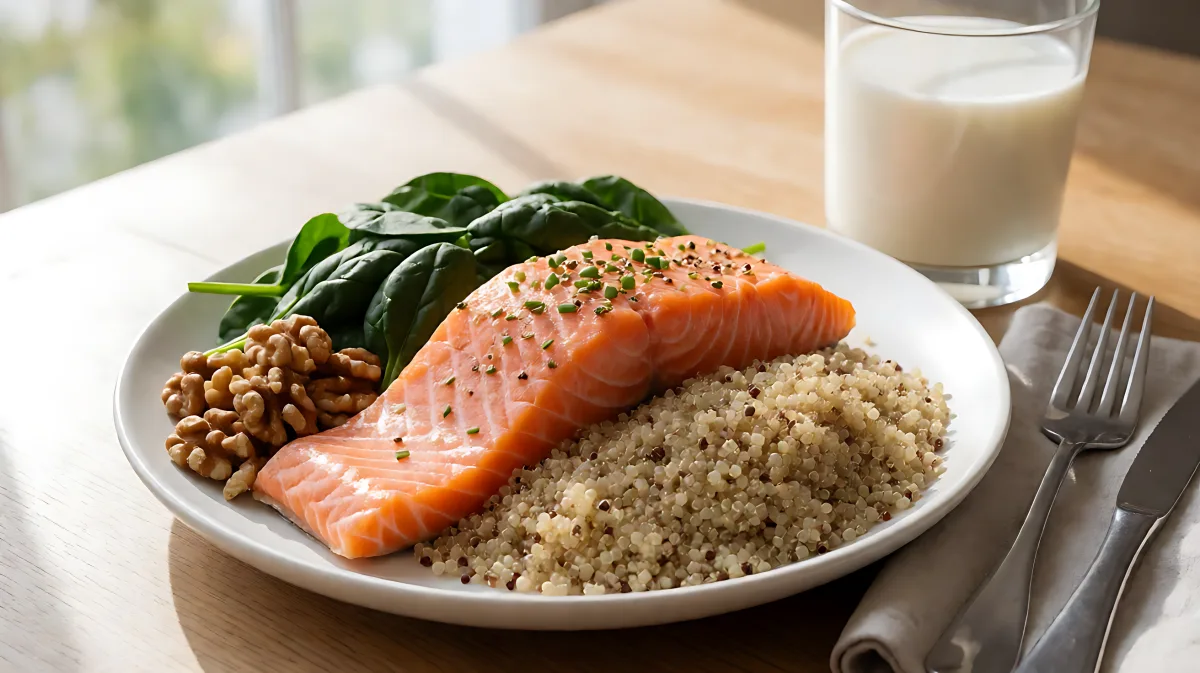
Protein alone is not enough. Explore the six additional nutrients and eight specific foods that experts recommend to maintain muscle mass, prevent falls, and support independence in later life.
Simply eating more chicken or shakes will not stop age-related muscle decline. To truly reverse muscle loss, you must combine adequate protein with specific micronutrients like magnesium, iron, and omega-3 fatty acids. These nutrients work in tandem with amino acids to repair tissue, reduce inflammation, and maintain strength. As experts from Harvard Health note, protein is necessary but not sufficient; a well-balanced plate is the key to preserving independence.
Why does muscle loss accelerate after age 60?
Age-related muscle loss, known as sarcopenia, begins quietly in the 30s but becomes significantly more rapid after 60. According to the National Institute on Aging, approximately 30% of adults over 60 and 50% of those over 80 experience noticeable loss of strength and mass. This decline is not just a cosmetic issue; it directly increases the risk of falls, fractures, and loss of mobility. Many families assume that getting older simply means getting weaker, but in fact, research indicates that seniors can still build muscle at any age when nutrition is paired with resistance training.
What role does protein distribution play in muscle preservation?
Total protein intake matters, but timing matters even more. A recent analysis by the New York Times highlights that spreading protein across meals produces 40% more muscle protein synthesis than consuming it all in one sitting. For adults over 65, the goal is to consume between 25 and 30 grams of high-quality protein at each of your three main meals. This approach ensures your body stays in a constant anabolic, or muscle-building, state. If you eat a light breakfast and save all your protein for dinner, you miss a significant opportunity for repair in the morning.
What is the leucine threshold and why is it critical?
Leucine is an essential amino acid that acts as the on-switch for muscle repair. After age 60, the body becomes resistant to this signal, meaning you need more leucine to trigger the same response. The recommended threshold is 2.5 to 3 grams of leucine per meal. Foods that help you reach this target include a cup of non-fat Greek yogurt, which provides about 2.5 grams of leucine, or half a cup of cottage cheese, which offers 2.6 grams. Eggs are a convenient option, though three large eggs only provide 1.8 grams, so pairing them with a slice of cheese or a small protein shake helps clear the bar.
Which six nutrients beyond protein support muscle health?
Dr. Frank Hu, a professor of nutrition at Harvard T.H. Chan School of Public Health, emphasizes that protein plays in tandem with other macronutrients and micronutrients. Here are the key players identified by Harvard Health experts:
- Carbohydrates: These provide the glycogen needed for exercise. Without sufficient carb fuel, the body may break down muscle tissue for energy. Prioritize whole grains, fruits, and legumes.
- Magnesium: Involved in over 300 biochemical reactions, magnesium aids in muscle contraction and relaxation. A study found that sufficient intake may protect against sarcopenia. Good sources include leafy greens, nuts, and seeds.
- Iron: Iron helps deliver oxygen to muscles. A study of older hospitalized patients found that iron deficiency was a risk factor for impaired strength, independent of aging. Include poultry, red meat, and lentils in your diet.
- Omega-3 Fatty Acids: Found in salmon, sardines, and walnuts, these fats reduce chronic inflammation, which is a primary driver of muscle loss. Research suggests that two weekly servings of fish can improve handgrip strength and gait speed.
- Vitamin D: Older adults produce less vitamin D naturally. A 3.5-ounce serving of wild salmon provides approximately 988 international units, a significantly higher amount than farmed salmon. Regular testing and supplementation may be necessary.
- Beta-Carotene: Found in sweet potatoes and red bell peppers, this antioxidant supports muscle health. One study found that adults aged 65 to 85 who ate more fruits and vegetables had stronger grip strength.
What foods should you prioritize at every meal?
To build a muscle-protective plate, focus on eight powerhouse foods. Chicken breast offers 35 grams of protein per 4-ounce serving, making it a lean staple. Tofu provides 15 grams of protein and is an excellent plant-based option for variety. Wild salmon is the most vitamin-D-dense food on this list, while eggs provide essential choline and protein. For plant-based leucine, lentils are superior; one and a half cups of cooked lentils provide 2.2 grams of leucine, nearly hitting the threshold on their own. Don't forget hydration; the National Academy of Medicine recommends 13 cups of fluid daily for men and 9 cups for women over 50, as dehydration can negatively impact muscle performance.
How can you check your current diet for gaps?
Use this checklist to evaluate your daily intake. If you are missing two or more items, you are likely at risk for accelerated muscle loss.
- Have I consumed 25 grams of protein at breakfast, lunch, and dinner?
- Did I include a source of leucine, such as dairy, eggs, or soy, at every main meal?
- Have I eaten a serving of leafy greens or nuts today for magnesium?
- Did I include a portion of berries, vegetables, or legumes for carbohydrates and antioxidants?
- Am I drinking enough water to meet the recommended daily fluid intake?
By addressing these specific nutritional gaps, you move beyond generic health advice and create a targeted strategy to maintain your strength and mobility for years to come.
Can I rely solely on protein supplements to fix muscle loss?
No, supplements are not a substitute for whole foods. While whey protein is effective for reaching leucine thresholds, it lacks the magnesium, iron, and fiber found in real food. Experts recommend using supplements only to bridge gaps in your diet, not to replace meals.
Is it too late to start these changes if I am already over 70?
It is never too late. Research shows that adults in their 80s can regain one to two kilograms of muscle mass when they combine proper nutrition with consistent resistance training. The muscle-building capacity remains robust in later life, provided the stimulus and fuel are present.
How much protein do I actually need per day?
For most seniors, the requirement is 1.0 to 1.2 grams of protein per kilogram of body weight. For a person weighing 150 pounds, this translates to roughly 68 to 82 grams of protein daily. Active individuals may need up to 1.5 grams per kilogram to support higher intensity exercise.