Sarcopenia Diet for Women Over 80 With Arthritis
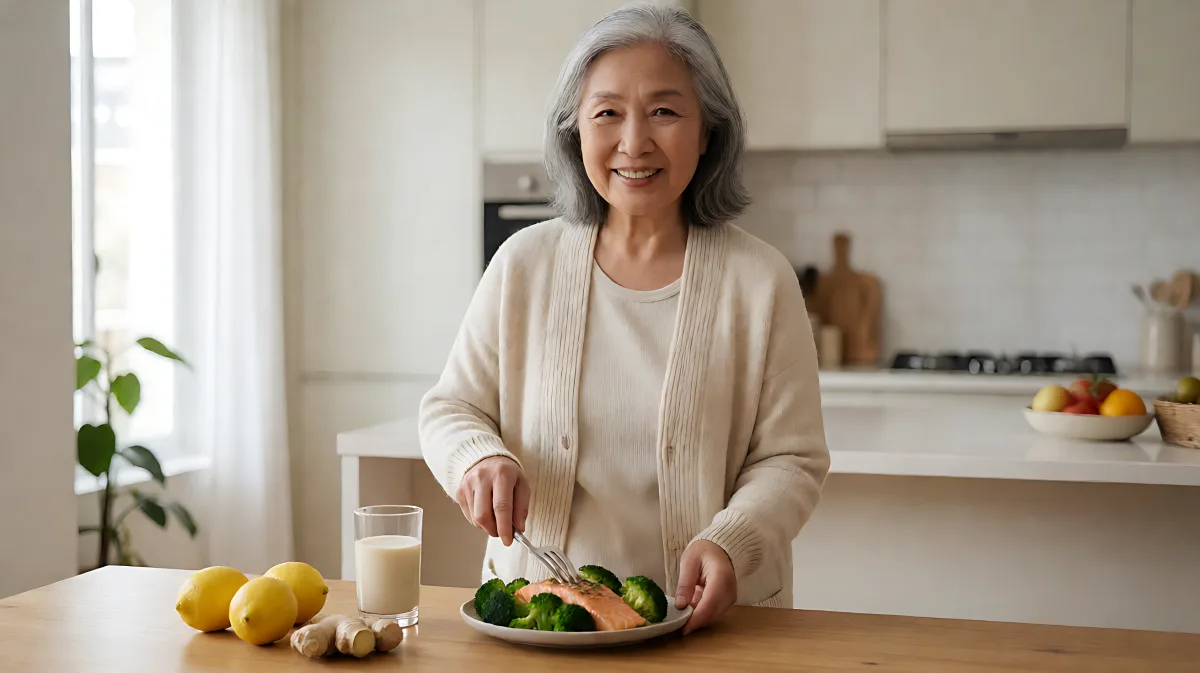
Age-related muscle loss is common, but you can mitigate it. This guide outlines a nutrient-dense diet plan for women over 80 managing both sarcopenia and arthritis pain.
For women over 80 dealing with arthritis, the most effective diet for sarcopenia prioritizes high-quality protein at every meal combined with anti-inflammatory foods. Research indicates that consuming 25 to 30 grams of protein per meal helps stimulate muscle repair, while reducing ultra-processed foods lowers the chronic inflammation that worsens joint pain and muscle wasting. This dual approach supports independence and fall prevention without exacerbating arthritis symptoms.
Why Do Seniors With Arthritis Need a Specific Muscle Diet?
Sarcopenia is the progressive loss of muscle mass and strength that naturally occurs with aging. According to data from Harvard Health, between 11% and 50% of people over the age of 80 suffer from this condition. When arthritis is present, the risk is even higher because pain limits movement, leading to further muscle atrophy. Many families assume that a simple low-calorie diet is best for weight control in seniors, but in fact, older adults need a slightly higher caloric intake than younger adults to prevent frailty. The National Institutes of Health (NIH) notes that a Body Mass Index (BMI) between 25 and 27 is often recommended for older adults, as being underweight increases the risk of falls and bone loss.
How Does Inflammation Affect Muscle Mass?
Arthritis involves chronic inflammation, which signals the body to break down muscle tissue. The NIDDK highlights that nutrient-dense foods are critical because the body changes as it ages. A diet high in sugar, salt, and unhealthy fats can exacerbate this inflammatory cycle. Therefore, the goal is to eat foods that build muscle while simultaneously calming the joints.
What Foods Build Muscle Without Aggravating Joints?
Building muscle requires specific nutrients, but with arthritis, texture and preparation matter. You want foods that are easy to chew and digest but rich in protein and anti-compounds.
- Lean Proteins: Salmon and other fatty fish provide protein and omega-3 fatty acids. A study cited by Healthline suggests that combining fish oil supplements with resistance training may increase muscle strength more than training alone.
- Plant-Based Proteins: Tofu, lentils, and soy protein are excellent sources of leucine, an amino acid vital for muscle growth. They are also anti-inflammatory, unlike some red meats.
- Anti-Inflammatory Spices: Ginger and turmeric can be added to soups and stews. These spices help manage pain and may reduce the need for medication.
- Calcium and Vitamin D-Rich Foods: Low-fat milk, fortified soy drinks, and leafy greens support bone health, which is critical when muscle strength is declining.
How Much Protein Is Enough?
Older adults often struggle to process protein efficiently. Research suggests that spreading protein intake across the day is better than consuming it all in one meal. Aim for 25 to 30 grams at breakfast, lunch, and dinner. This consistent supply of amino acids helps maintain muscle protein synthesis throughout the day.
How Should Meals Be Structured for Daily Activity?
Structure is key to combating sarcopenia. A well-organized daily plan ensures you meet nutritional targets without overloading the digestive system.
- Breakfast: Start with a bowl of oatmeal made with fortified soy milk, topped with a spoonful of walnuts and a serving of soft-boiled eggs. This provides complex carbs, healthy fats, and high-quality protein.
- Lunch: Choose a large salad with mixed greens, a half cup of chickpeas, grilled chicken or tofu, and a dressing made with olive oil and lemon. This meal is high in fiber and anti-inflammatory fats.
- Dinner: Serve a portion of baked cod or salmon with steamed broccoli and a side of sweet potatoes. The omega-3s in the fish and the vitamin C in the broccoli support joint health.
- Snacks: Keep Greek yogurt with berries or a small handful of almonds handy. These provide a quick boost of protein and calcium between meals.
What Role Does Vitamin D Play?
Vitamin D deficiency is common in seniors and is linked to weaker muscles and a higher risk of falls. The NIDDK recommends consuming vitamin D-fortified fluids or asking a doctor about supplements. Adequate vitamin D levels help the body absorb calcium and maintain muscle function.
Common Myths About Sarcopenia and Diet
Many people believe that if they are not hungry, they do not need to eat. This is a dangerous misconception for older adults with arthritis. Appetite often declines with age, and pain medications can further suppress it. However, skipping meals leads to rapid muscle loss. Doctors at WebMD emphasize that malnourished older adults decline more rapidly. Eating small, frequent, nutrient-dense meals is safer than large, infrequent ones.
Is Creatine Safe for Seniors?
Creatine is a small protein produced in the liver that may help with muscle growth. However, experts note that creatine is probably not beneficial for sarcopenia if used alone without exercise. For women with arthritis who struggle with traditional weightlifting, this means that relying solely on supplements without gentle movement (like chair stands or walking) will yield limited results.
How Can Gentle Movement Complement the Diet?
Diet works best when paired with movement. For women with arthritis, high-impact exercise is not necessary. Instead, focus on low-impact activities that preserve joint health while stimulating muscles.
- Resistance Bands: Using light bands to do arm raises or leg extensions can build strength without putting stress on the joints.
- Chair Exercises: Performing chair stands and calf raises while holding onto the chair for balance is effective. Harvard Health notes that power moves, such as rising quickly and lowering slowly, can be beneficial if done safely.
- Walking: Short, frequent walks are excellent for maintaining endurance and blood flow to the muscles.
It is important to start slow. Even a few minutes of activity daily makes a difference. The combination of a protein-rich, anti-inflammatory diet and gentle movement creates a powerful strategy to fight sarcopenia while managing arthritis pain.
Frequently Asked Questions
Can a vegetarian diet prevent sarcopenia?
Yes, a vegetarian diet can be effective if it includes adequate protein sources like beans, lentils, tofu, and soy products. It is important to ensure you are getting enough leucine and vitamin B12, which are often found in animal products.
How many times a day should I eat?
Experts recommend three main meals and two snacks per day. This frequency ensures a steady supply of protein to the muscles, which is more effective for seniors than eating two large meals a day.
Do I need to limit salt if I have arthritis?
Generally, yes. High sodium intake can increase blood pressure and may contribute to inflammation. The NIDDK advises reducing salt in packaged foods and choosing fresh, home-cooked meals whenever possible to manage both weight and joint health.