Ginger & Turmeric for Seniors: Evidence-Based Benefits
As we age, inflammation and joint discomfort often become daily struggles. While ginger and turmeric are trendy, do they actually work? Here is what the scientific evidence says about their real effects on senior health.
For many adults over 60, the goal is to manage chronic pain and reduce inflammation without relying heavily on medication. Ginger and turmeric are two spices backed by decades of research that may offer natural support. A review of clinical data suggests that combining these two anti-inflammatory foods can help reduce joint stiffness and lower markers of systemic inflammation, making them a practical addition to a healthy aging diet. However, specific dosage and absorption strategies are required to see these benefits.
For more information, see NIH Office of Dietary Supplements from the National Institutes of Health.
What do studies say about ginger and turmeric for older adults?
The scientific community has extensively studied Curcuma longa (turmeric) and Zingiber officinale (ginger) for their anti-inflammatory properties. The active compound in turmeric, curcumin, and the phenolic compounds in ginger, known as gingerols, both target inflammation. According to a review published in the Journal of Medicinal Food, curcumin demonstrated effects similar to certain non-steroidal anti-inflammatory drugs in reducing pain associated with osteoarthritis. In one significant study involving 40 individuals with osteoarthritis, a daily intake of 1,500 mg of curcumin significantly improved physical function and reduced pain levels compared to a placebo. Similarly, a study of 120 people with osteoarthritis found that taking 1 gram of ginger extract daily for three months decreased nitric oxide levels, a key molecule involved in inflammatory processes.
How do these spices affect joint pain and mobility?
Joint stiffness is a common complaint among seniors, and both spices have shown promise in alleviating discomfort. A meta-analysis of nine studies indicated that consuming 1 to 3 grams of ginger daily for six to twelve weeks reduced C-reactive protein (CRP) levels, which is a primary marker for inflammation in the body. For turmeric, the Arthritis Foundation recommends a daily intake of 500 mg of curcumin extract, taken twice daily, to help manage symptoms of both osteoarthritis and rheumatoid arthritis. The American College of Rheumatology has also noted that combining turmeric with ginger may provide a synergistic effect, though most evidence currently supports their use individually.
Why is bioavailability a major challenge for curcumin?
Despite its benefits, the human body struggles to absorb curcumin. The digestive system breaks down the compound quickly, leading to low bioavailability. This is a critical issue for seniors, who may have reduced digestive efficiency. Research from Johns Hopkins Medicine highlights that curcumin is not easily absorbed by the body. To combat this, experts recommend pairing turmeric with black pepper. A substance in black pepper called piperine has been shown to increase curcumin absorption by up to 2,000 percent. Additionally, because curcumin is fat-soluble, it is best consumed with a meal containing healthy fats, such as olive oil, avocado, or whole nuts. Dr. Mary-Eve Brown, an oncology clinical dietitian at Johns Hopkins, advises that adding the spice to food is safer and more effective than taking high-dose supplements.
Do ginger and turmeric support immune function and brain health?
Beyond joint health, these spices may offer broader protective effects. Test-tube and animal studies suggest that ginger can inhibit the growth of certain respiratory viruses, potentially supporting immune resilience. For brain health, there is emerging evidence that curcumin may increase levels of brain-derived neurotrophic factor (BDNF), a protein that supports the survival of neurons and plays a role in memory and learning. While a 9-month study on prediabetic individuals showed that curcumin supplementation could prevent the progression to Type 2 diabetes in some cases, research on cognitive decline in seniors is still developing. Harvard Health Publishing notes that while small studies suggest potential benefits for mood disorders and dementia, more rigorous clinical trials are needed to confirm these effects in older populations.
Are there safety concerns for seniors taking these supplements?
While food-amount turmeric and ginger are generally safe, high-dose supplements require caution. The U.S. Food and Drug Administration (FDA) classifies these supplements as "generally recognized as safe," but they are not strictly regulated for purity. One specific risk is lead contamination; the FDA has previously issued recalls for certain turmeric supplements due to elevated lead levels, which is particularly concerning for seniors with bone density issues. Furthermore, high doses of turmeric can interact with common medications. Turmeric may enhance the effects of blood thinners like warfarin, increasing the risk of bleeding. It can also interfere with certain chemotherapy agents and immunosuppressants. Ginger may also thin the blood and affect blood sugar levels, which is critical for seniors managing diabetes or taking anticoagulants. Always consult a healthcare provider before starting any new supplement regimen.
How can seniors incorporate ginger and turmeric into their diet?
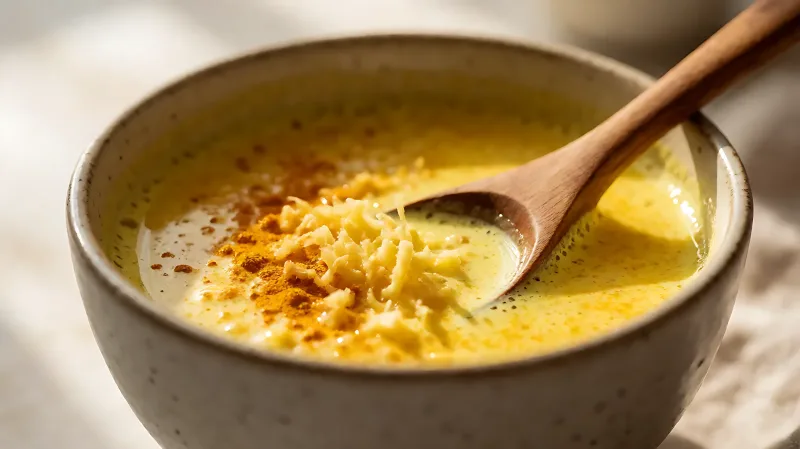
The safest and most effective way to consume these spices is through whole foods. Seniors can add fresh grated ginger to soups, broths, or teas to help with digestive comfort. Turmeric can be added to egg dishes, stews, and roasted vegetables. A popular method is making "golden milk," which involves simmering turmeric powder with warm milk, a pinch of black pepper, and a honey or maple syrup sweetener. This routine not only provides the bioactive compounds but also serves as a comforting, low-sugar beverage. Freezing turmeric root allows for easy, long-term storage, keeping it fresh for up to six months. Using these spices in daily cooking ensures a consistent, low-dose intake without the side effects associated with concentrated supplements.
Frequently Asked Questions
Is it better to take turmeric supplements or eat the spice?
For most seniors, eating the spice is the preferred approach. High-dose supplements carry risks of lead exposure and drug interactions. Cooking with turmeric, especially when paired with black pepper and healthy fats, provides a safer and more bioavailable way to gain its anti-inflammatory benefits.
Can ginger and turmeric replace arthritis medication?
They should not replace prescribed medication without a doctor's approval. While studies show curcumin can be as effective as some non-steroidal anti-inflammatory drugs for pain relief, it is not a substitute for medical treatment. Use these spices as complementary tools to support overall joint health.
What is the ideal daily dosage of turmeric for seniors?
There is no single standard dose, but the Arthritis Foundation suggests 500 mg of curcumin extract twice daily for those who choose to supplement. For those eating the spice, adding 1 to 2 teaspoons of turmeric powder to meals is a common and safe range. High doses exceeding 8 grams daily are associated with gastrointestinal side effects.
Do I need to take ginger with turmeric?
While they are often used together for flavor, you do not need to take them simultaneously to benefit from their individual properties. Ginger is particularly helpful for nausea and digestive comfort, while turmeric is more targeted at systemic inflammation and joint pain. You can rotate their use in your diet based on your specific needs.