Home-Cooked Meals for Hypertension Management
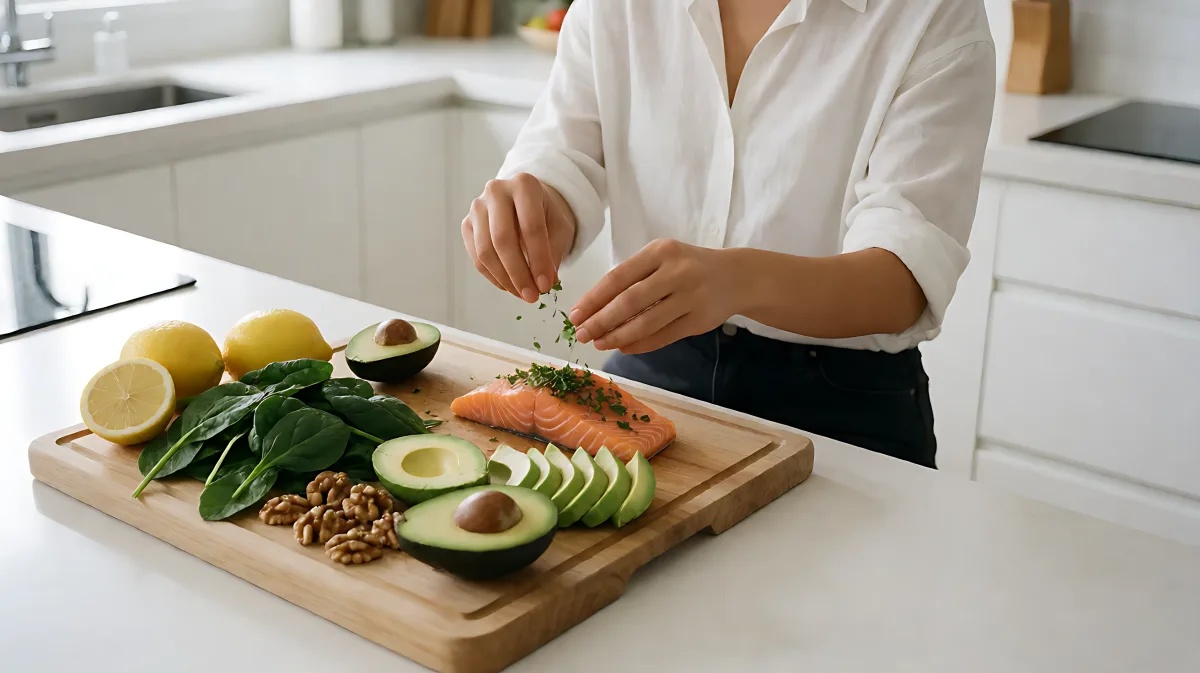
Discover how to transform your kitchen into a hypertension-friendly environment. Learn to balance sodium and potassium using the DASH diet with practical, flavorful recipes and cooking techniques.
Managing high blood pressure starts in your kitchen. By cooking from scratch and balancing sodium with potassium, you can lower your blood pressure without losing flavor. The American Heart Association recommends limiting sodium to 1,500 milligrams daily for most adults with hypertension, while the DASH diet framework encourages increasing potassium intake through whole foods. This guide provides specific home-cooked meal strategies and actionable steps to achieve this balance.
Why home cooking matters for blood pressure
Processed and packaged foods account for the vast majority of sodium in the typical American diet. When you cook at home using whole ingredients, you gain precise control over seasoning. Many families assume that a low-sodium diet means bland, tasteless food, but in fact, herbs, spices, citrus, and vinegar can create complex flavor profiles without adding a single milligram of salt. The DASH (Dietary Approaches to Stop Hypertension) eating pattern is the most extensively researched diet for blood pressure management. It emphasizes vegetables, fruits, whole grains, and lean proteins while minimizing saturated fats and added sugars.
How to balance sodium and potassium
Potassium helps the body excrete excess sodium and eases tension in blood vessel walls. Most American adults consume far less potassium than recommended. A single medium banana or a cup of spinach can make a significant difference. To achieve a healthy balance, aim for a daily potassium intake of between 2,700 and 3,900 milligrams. This can be achieved by including potassium-rich foods such as avocado, sweet potato, salmon, and black beans in your regular meal rotation.
- Stock your pantry: Keep dried beans, nuts, seeds, and oats on hand for quick, sodium-free staples.
- Choose fresh: Prioritize fresh produce over canned versions unless the label specifically says "no salt added."
- Flavor boosters: Use garlic, ginger, turmeric, and fresh dill to replace salt in sauces and marinades.
7 actionable steps for a hypertension-friendly kitchen
What are the first steps to a low-sodium kitchen?
- 1. Read labels: Check deli meats and breads, which are common hidden sources of sodium.
- 2. Rinse canned goods: If you use canned beans or vegetables, rinse them thoroughly to remove surface sodium.
- 3. Use acid for brightness: Lemon juice and vinegar make food taste "saltier" without the sodium.
- 4. Season before cooking: Add herbs and spices at the start of the cooking process to let flavors meld.
- 5. Limit alcohol: Excessive alcohol intake directly raises blood pressure and interferes with medication.
- 6. Prep in batches: Cooking from scratch once or twice a week reduces the need for convenience meals.
- 7. Track your intake: Use a food log to ensure you stay under the 1,500mg sodium limit.
Simple recipes for heart-healthy meals
Which ingredients are best for lowering blood pressure?
Salmon is rich in omega-3 fatty acids, which help reduce inflammation. Pairing it with potatoes and bell peppers creates a balanced meal. For a quick lunch, try a chickpea and quinoa bowl. Quinoa provides fiber and protein, while chickpeas add potassium. For dinner, a green smoothie with spinach, cucumber, and pineapple is nutrient-dense. Spinach is rich in nitrates, which help relax and widen blood vessels. A simple avocado and black bean sandwich is another excellent option. Black beans are high in fiber and potassium, and they provide a satisfying texture when mashed with avocado.
| Food Item | Key Benefit | Preparation Tip |
|---|---|---|
| Salmon | Omega-3s reduce inflammation | Season with dill and lemon |
| Spinach | High in nitrates and potassium | Blend into smoothies or saute with garlic |
| Black Beans | High fiber and potassium | Buy no-salt-added and rinse well |
| Oats | Soluble fiber lowers cholesterol | Top with walnuts and bananas |
Common misconceptions about low-salt diets
One major misconception is that you must eliminate all salt to be healthy. The goal is to limit sodium, not remove it entirely. Another mistake is relying on potassium supplements instead of food. Unless directed by a doctor, particularly for people with kidney disease, potassium is best obtained through food rather than supplements, since food sources come with a built-in safety margin. For instance, a 2025 study published in the British Journal of Nutrition found that consuming five or more servings of avocados per week was associated with a 17% decrease in hypertension rates, highlighting the power of whole foods over isolated supplements.
Frequently Asked Questions
How much sodium should I limit myself to?
The American Heart Association recommends limiting sodium to no more than 2,300 milligrams daily, with an ideal limit of 1,500 milligrams for most adults with high blood pressure.
Can I still use spices if I am cutting down on salt?
Yes, spices like black pepper, garlic, and cumin contain zero sodium and can significantly enhance flavor. Black pepper specifically can be used as freely as you like to season meals.
What is the DASH diet?
The DASH diet is an eating pattern that focuses on vegetables, fruits, whole grains, and lean proteins while limiting sodium, saturated fat, and added sugar. It is considered one of the most effective diets for managing hypertension.
Should I take potassium supplements?
It is generally better to get potassium from food sources like bananas, avocados, and spinach. Supplements should only be taken under the guidance of a healthcare provider, especially if you have kidney issues or take certain medications.
Do cooked vegetables lose potassium?
Some potassium leaches into cooking water, but boiling vegetables in minimal water or steaming them helps retain most of the nutrient content. Eating vegetables raw in salads is also an excellent way to maximize potassium intake.