How to Prevent Frozen Pipes: Winterizing Guide
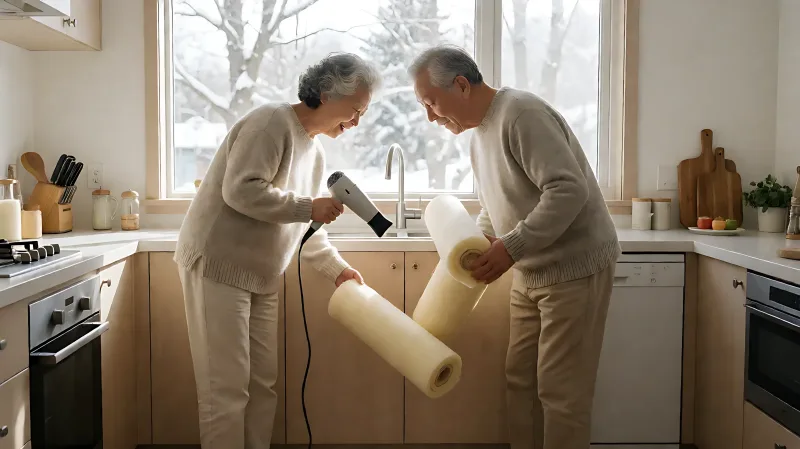
Frozen pipes can cause thousands in damage. This guide offers simple, senior-friendly steps to winterize your home, keep pipes warm, and stay safe during cold snaps.
Preventing frozen pipes starts with keeping your home at least 55 degrees Fahrenheit and insulating exposed plumbing. For seniors, small habits like opening cabinet doors and draining outdoor hoses significantly reduce the risk of costly water damage.
For more information, see CPSC home safety education from the U.S. Consumer Product Safety Commission.
Why Do Pipes Freeze and Burst?
When outdoor temperatures drop below freezing, water inside pipes expands. This pressure buildup often causes the pipe to rupture in areas where ice has not yet formed. The U.S. Department of Energy notes that inadequate insulation and low indoor temperatures are the primary contributors. A single burst pipe can flood multiple rooms, leading to repair costs that frequently exceed $1,000.
How Can Seniors Reduce Fire Risks While Thawing?
Never use open flames, such as torches or kerosene heaters, to thaw pipes. These sources create a major fire hazard. Instead, use a hairdryer or wrap wet towels around the pipe. Always keep flammable materials at least three feet away from any heat source.
How Do You Insulate Exposed Pipes Safely?
Start by identifying pipes in unheated areas like attics, crawl spaces, or garages. Use foam or rubber insulation sleeves that fit the pipe diameter. Secure the sleeves with adhesive or pipe wrap. For senior homeowners, ask a friend or neighbor to help reach high spots in the attic to avoid falls. Wrap your water heater if it is in an unheated space; the Department of Energy states this can cut energy costs by 10 to 40 percent.
What Thermostat Settings Protect Your Home?
Keep your furnace set to at least 55 degrees Fahrenheit, even when you are away. Lowering the heat below this threshold increases the chance of freezing. If you plan to travel, leave the heat on and consider a programmable thermostat that maintains a baseline temperature. Check your HVAC system in early autumn to ensure it is heating efficiently.
Should You Let Faucets Drip?
Yes. On nights when temperatures fall below 20 degrees Fahrenheit, let cold water drip from faucets connected to exposed pipes. A steady flow prevents ice from forming inside the line. Direct the drip into a bucket if it is not a sink.
How Do You Winterize Outdoor Hoses and Spigots?
Drain and store all garden hoses indoors before the first hard freeze. Shut off the interior valve that feeds the outdoor spigot. Consider installing a frost-free bib if you still have an older model. Hoses left attached can freeze and burst, sending water into your home through the wall.
What Are Simple Winter Checklists for Seniors?
- Seal drafts around doors and windows with caulk or weatherstripping.
- Open cabinet doors under sinks to let warm air circulate.
- Clear leaves and debris from gutters to prevent ice dams.
- Keep a clear path from your main water shutoff valve.
What Should You Do If a Pipe Freezes?
Shut off the main water supply immediately. Open the faucet connected to the frozen pipe to relieve pressure. Use a hairdryer to warm the pipe, starting near the faucet and moving toward the cold area. If water does not flow after thawing, call a licensed plumber. Do not use a blowtorch. Monitor the area for leaks or drips for 24 hours.
Who Can Help With Emergency Repairs?
Keep a list of local plumbers on your refrigerator. Identify a family member or neighbor who can assist with heavy tasks. The Consumer Product Safety Commission advises keeping emergency numbers accessible, including poison control and utility companies.
Frequently Asked Questions
How much does it cost to repair a frozen pipe?
Repair costs vary, but average water damage from a burst pipe ranges from $1,500 to $6,000. If the freeze causes drywall or floor damage, total costs can exceed $10,000. Regular maintenance prevents these expenses.
Do I need to open cabinet doors in mild winter?
You only need to open cabinet doors when outdoor temperatures drop below 20 degrees Fahrenheit. In milder climates, this step is unnecessary unless you have specific unheated areas.
What if I do not have a furnace?
If you use electric or wood heat, ensure the power stays on during cold snaps. For wood stoves, keep a safe distance from pipes. Maintain a minimum indoor temperature of 55 degrees Fahrenheit to prevent freezing.
Can I use a space heater to thaw a pipe?
Use a space heater only if you are constantly present and the unit is UL-listed. Keep it away from curtains and paper. A hairdryer is safer and more targeted for most homeowners.
When should I call a plumber?
Call a plumber if you cannot locate the frozen section, if the pipe bursts, or if water is spraying. Do not attempt to thaw a pipe if the shutoff valve is broken or missing.