How to Find DEA Medication Take-Back Sites
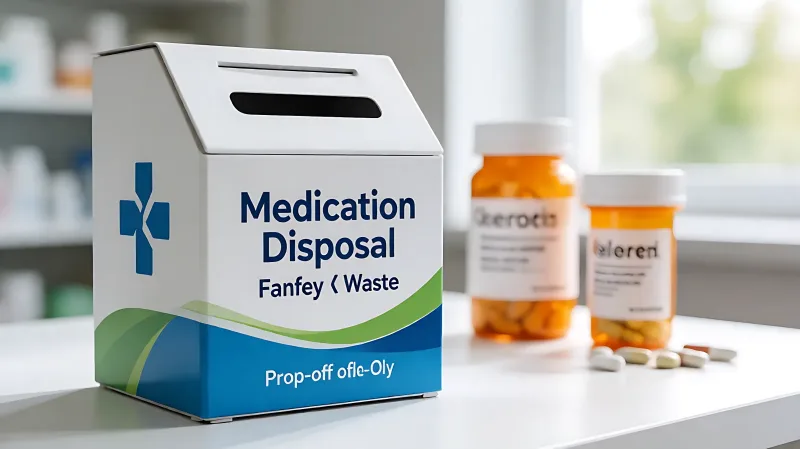
Safe medication disposal is critical for public health. This guide explains how to find DEA-authorized take-back sites, utilize mail-back envelopes, and properly dispose of high-risk drugs at home.
SAFE DISPOSAL OF MEDICATIONS REQUIRES ACCESS TO DEA-AUTHORIZED TAKE-BACK SITES OR MAIL-BACK KITS. USE THE FDA'S FILL LIST TO DETERMINE IF FLUSHING IS NECESSARY FOR HIGH-RISK DRUGS LIKE OPIOIDS. MIXING OTHER PILL TYPES WITH UNSAVORY SUBSTANCES AND TRASHING THEM IS THE RECOMMENDED BACKUP METHOD IF NO DROP-OFF BOX IS AVAILABLE NEARBY.
For more information, see NIA health information for older adults from the National Institute on Aging.
How Do You Find a DEA Drug Take-Back Site Near You?
The Drug Enforcement Administration (DEA) registers thousands of facilities across the United States to accept unused or expired medicines. These year-round locations are often housed in retail pharmacies, hospitals, and law enforcement precincts. To locate the nearest facility, you can use the DEA Diversion Control Division's public search tool. Alternatively, typing "drug disposal near me" into Google Maps will direct you to the closest authorized collection point, which may feature a secure drop-off box or a mailed-back program station.
What Is the National Prescription Drug Take-Back Day?
The DEA hosts the National Prescription Drug Take-Back Day twice annually, typically in April and October. During these events, more than 4,000 sites nationwide participate in organized collection efforts. For example, the October 2025 event saw over 571,000 pounds of medications collected across the country. These temporary sites allow residents to drop off a wide variety of controlled substances, over-the-counter medications, and veterinary drugs in a single, free, and anonymous session.
What Types of Medications Are Accepted at Take-Back Events?
Most take-back sites accept tablets, capsules, patches, sealed liquid medications, and vitamins. Many locations also accept vaping devices provided the batteries are removed. However, items such as needles, syringes, inhalers, aerosol cans, and mercury thermometers are generally excluded from standard drug collection. Always verify specific restrictions with your local site before attending an event.
What Are the Best Year-Round Alternatives to Drop-Off Boxes?
If you cannot visit a physical DEA-registered location, mail-back programs offer a secure alternative. Prepaid drug mail-back envelopes are available at many retail pharmacies and online. To use this method, fill the envelope with your unused medications, seal it, and ship it via the U.S. Postal Service. Some pharmacy chains offer these kits at no cost as part of their community health services, making it an accessible option for seniors or individuals with limited mobility.
How Do You Safely Dispose of Medications at Home?
When neither a take-back site nor a mail-back option is available, the FDA recommends mixing medications with unappealing substances like coffee grounds, dirt, or cat litter. Place the mixture in a sealed container, such as a zip-top bag or an empty can, to prevent leaks. Throw the container in your household trash. Before discarding the original packaging, scratch out all personal information, including your name and address, to protect your privacy. This method deters accidental ingestion by children, pets, or individuals searching for usable drugs.
When Is It Safe to Flush Medications Down the Toilet?
Flushing is only recommended for specific high-risk medications listed on the FDA flush list. These drugs, such as fentanyl patches or certain opioids, pose a lethal risk even from a single accidental dose. For these items, the FDA advises folding sticky sides together and flushing immediately after use. For all other medications, flushing is unnecessary and should be avoided. The FDA notes that the environmental impact of flushing these specific high-risk drugs is minimal compared to the severe danger of accidental exposure.
Why Is Proper Medication Disposal a Public Health Priority?
Misused prescription drugs often originate from home medicine cabinets. The Centers for Disease Control and Prevention reports that overdose deaths remain a significant concern in the U.S., with tens of thousands of fatalities reported annually, many involving opioids. Removing unused medications from households reduces the risk of diversion, accidental poisoning, and overdose. Regularly cleaning out your medicine cabinet and disposing of expired drugs responsibly is a simple step that contributes to community safety and reduces the burden on emergency healthcare systems.
Frequently Asked Questions About Medication Disposal
Can I dispose of liquid medications in the trash?
Yes, if a take-back option is not available. Do not pour liquids down the sink or toilet. Instead, mix the liquid with coffee grounds or kitty litter, place the mixture in a sealed container, and throw it in the household trash.
Where can I dispose of needles and syringes?
Standard medication take-back sites do not accept sharps. Contact your local waste management authority or healthcare provider for instructions on disposing of needles. Many pharmacies offer sterile sharps containers, but you must follow local regulations for final disposal, often through specific biohazard waste programs.
Do I need to pay for mail-back medication envelopes?
It depends on the pharmacy. Some retail chains and online services sell prepaid mail-back kits, while others offer them for free. Check with your pharmacist to see if complimentary envelopes are available as part of their community services.
How often should I clean out my medicine cabinet?
Experts recommend checking your medicine cabinet every six months. This allows you to identify expired or unused medications that can be disposed of properly. Regular cleanup helps prevent the accumulation of outdated drugs that may lose potency or become unsafe to use.