How to Prevent Kitchen Accidents from Medication Side Effects
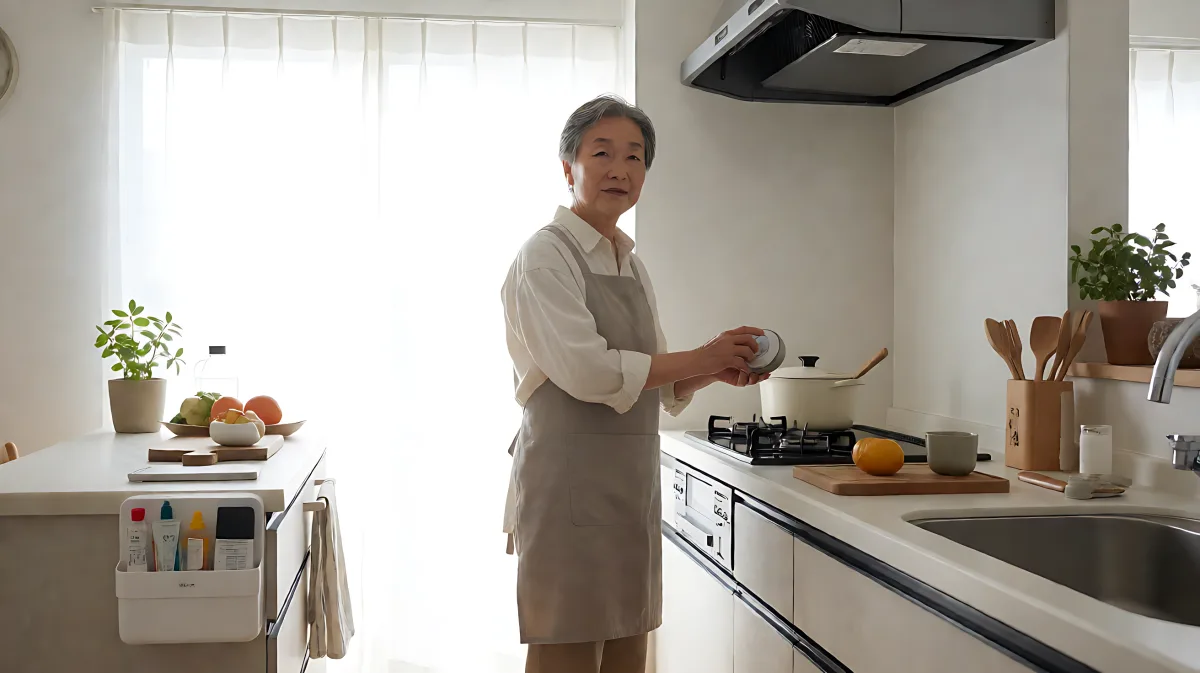
Medication side effects like dizziness and confusion significantly increase the risk of kitchen accidents. Learn how to modify your kitchen layout and habits to keep cooking safe and independent.
Medication side effects such as dizziness, sudden fatigue, and mental confusion can transform a routine cooking session into a dangerous event. According to health data from the Centers for Disease Control and Prevention, older adults face a 2.5 times greater risk of dying in a kitchen fire compared to the general population, a risk amplified when drugs slow reaction times. To protect against these hazards, families must create a physically safer environment and establish strict routines that account for the physical limitations caused by daily pills. This guide outlines specific, actionable steps to neutralize the most common kitchen dangers for those managing complex medication regimens.
Why Do Medication Side Effects Make the Kitchen Riskier?
Many families assume that medication risks are limited to accidental overdose or missed doses, but in fact, the subtle physiological changes caused by side effects are the primary drivers of kitchen accidents. Drugs prescribed for blood pressure, sleep, or pain management often cause orthostatic hypotension, or dizziness when standing up quickly. They can also induce fatigue that mimics the natural energy decline of aging. When a person feels lightheaded while standing on tiptoe to reach a high shelf, the likelihood of a fall increases dramatically. Furthermore, cognitive side effects can impair judgment, making it difficult to remember if the stove has been turned off or to distinguish between hot and cold surfaces.
The kitchen is a high-hazard zone because it combines extreme temperatures, sharp objects, and slippery surfaces. If a medication causes a momentary lapse in attention, a simmering pot can boil over and ignite a grease fire. The combination of slower reaction times and environmental hazards means that even a minor spill can become a life-threatening incident for someone taking multi-drug therapy.
How Can You Modify the Kitchen Layout for Safety?
Physical adjustments to the kitchen space can mitigate the risks associated with balance issues and reduced grip strength. These changes should be implemented proactively, before an incident occurs. The following checklist details the most impactful modifications recommended by occupational therapists and senior care experts:
- Reorganize Storage Zones: Move all frequently used items, including daily spices, plates, and utensils, to between counter and shoulder height. This eliminates the need to bend down or reach overhead, both of which compromise balance.
- Install Non-Slip Mats: Place secure, non-slip mats in front of the sink, stove, and refrigerator. Ensure these mats have a smooth edge to prevent tripping and are checked regularly for curled corners.
- Enhance Lighting: Install under-cabinet LED lighting to eliminate shadows over work surfaces. Poor lighting can hide spills and make it difficult to see heat indicators on cookware.
- Upgrade Handles and Knobs: Replace round doorknobs and faucet handles with lever-style options. Levers require less grip strength and torque, which is essential for individuals experiencing hand fatigue or reduced dexterity.
- Ensure Adequate Spacing: Keep all floor pathways free of clutter and ensure there is enough space to maneuver safely between the island and the perimeter counters.
What Role Do Technology and Automatic Shut-Offs Play?
Technology is one of the most effective tools for preventing fire-related accidents, particularly for those who may forget to turn off appliances due to confusion or distraction. Automatic stove shut-off devices can be installed on existing ranges; these sensors detect a lack of movement or activity near the burner and cut the power supply after a set period, usually a few minutes. This feature is critical for preventing fires caused by forgotten pans.
Smart home devices also offer a layer of protection. Smart plugs allow caregivers to monitor or remotely shut off small appliances like toasters or coffee makers. Voice-activated assistants can set visible and audible timers, providing a constant reminder to check on food. If you or a loved one uses a gas stove, consider professional installation of safety locks that prevent the knobs from being turned without a specific tool, or restrict access to the gas supply when the user is unsupervised.
How Should Medications Be Stored to Avoid Accidental Ingestion?
A common but dangerous error is keeping medications in the kitchen. Many families assume that keeping pills in a pillbox on the counter makes them easy to remember, but this placement creates a significant hazard for anyone experiencing confusion. In a study referenced by dementia care organizations, accidental ingestion of household chemicals and medications is a leading cause of emergency room visits among older adults living alone.
Medications should always be stored in a secure, lockable cabinet in a bedroom or bathroom, well away from food preparation areas. This separation prevents the risk of mistaken identification, especially if someone is confused and looking for something else. Furthermore, keep a current list of all medications, dosages, and times in a secure location outside the kitchen, shared with family members and emergency contacts.
What Are the Immediate Steps During a Kitchen Emergency?
Preparation reduces panic and improves outcomes if an accident occurs. Everyone in the household should understand a simple, practiced sequence of actions. If a fire or spill occurs, the priority is to evacuate the immediate area if smoke or heat is present. If the fire is small and you are trained, use a fire extinguisher following the PASS method: Pull the pin, Aim the nozzle at the base of the fire, Squeeze the handle, and Sweep the nozzle across the base. Afterward, dial emergency services and document the incident to review safety gaps.
When should you call for professional help?
Call emergency services immediately if there is significant smoke, a gas smell, or any injury resulting from a fall or burn. Do not attempt to treat severe burns at home; instead, apply cool running water to minor scalds while waiting for help. If the incident was caused by a medication side effect, inform the responding medical team of the specific drugs taken that day.
How often should you conduct a home safety audit?
Experts from senior care organizations recommend a full kitchen safety audit every six months. This is particularly important after any change in medication regimen or if a fall has occurred. A professional occupational therapist can provide a personalized assessment of mobility and cognitive function to tailor the safety plan.
Are there specific knives that are safer for seniors?
Yes. Ergonomic knives with wider, non-slip handles are safer because they reduce the need for tight gripping, which can cause fatigue and loss of control. Additionally, keeping blades sharp is safer than using dull blades, as dull knives require more force, increasing the chance of the blade slipping and causing a laceration.