Safe Kitchen Activities After Surgery: Essential Guide
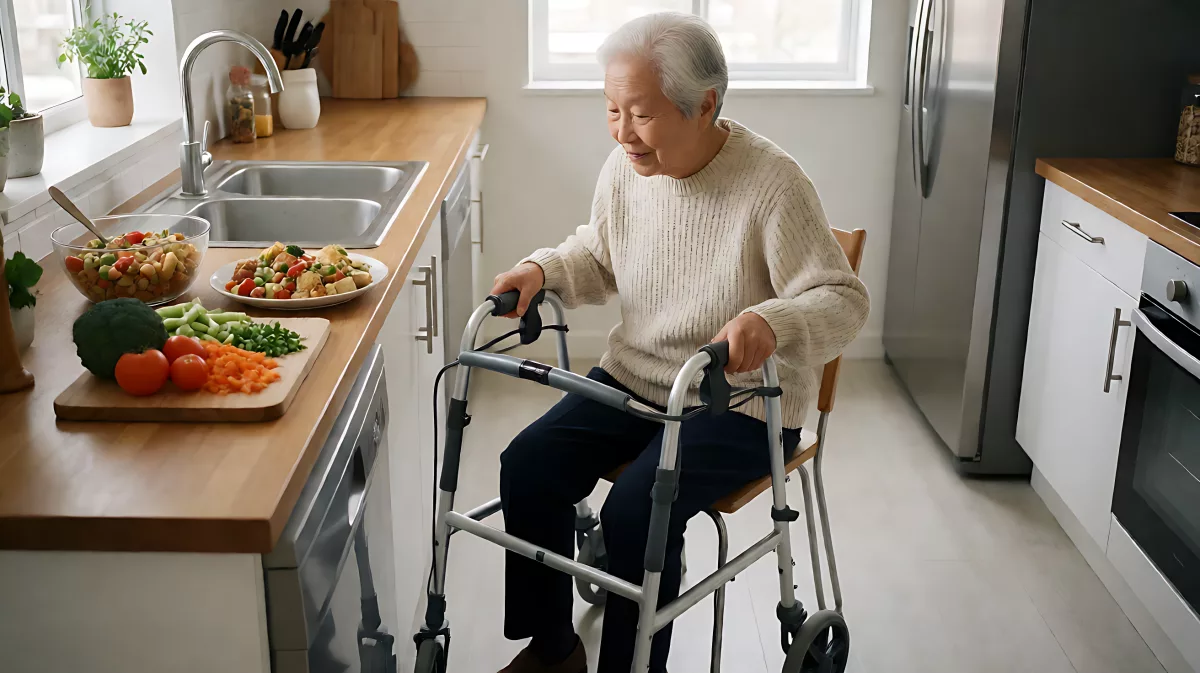
Struggling with kitchen chores after surgery? Discover practical strategies for safe food prep, cleaning, and storage that respect your weight-bearing limits and promote faster healing.
After surgery, standard kitchen routines can become hazardous due to weight-bearing restrictions and fatigue. To stay safe, you must adapt your cooking and cleaning habits by using assistive devices, pre-preparing meals, and strictly limiting standing time. This approach protects your surgical site and prevents falls.
How Do Weight-Bearing Limits Affect Kitchen Tasks?
Your surgeon will categorize your movement restrictions as non-weight-bearing, toe-touch, partial, or full weight-bearing. Each stage dictates what you can physically do in the kitchen. For non-weight-bearing cases, you cannot place any pressure on the operated limb. This means using crutches or a walker is mandatory for even the shortest trips to the fridge. According to guidance from the American College of Foot and Ankle Surgeons, navigating obstacles requires careful technique. You must keep the affected knee bent and ensure the foot does not touch the floor during movement.
What Specific Movements Should You Avoid?
Standing for extended periods is the primary risk factor. Most kitchen tasks require vertical stability, which conflicts with partial weight-bearing instructions. If you are allowed 25% to 50% weight-bearing, you must monitor your pressure distribution. Using a bathroom scale to test your step can help you calibrate how much weight is safe to apply. Sudden shifts in balance can cause falls, which are particularly dangerous when you are already compromised by anesthesia or pain medication.
What Are Safe Strategies for Meal Preparation?
Adapting your workflow is key to maintaining nutrition without straining your recovery. The most effective method is batch cooking and freezing meals before your procedure. This reduces the need for daily standing and cooking activities. You should also consider using a step stool to lower the height of counters, which minimizes the need to reach up or bend down excessively. This reduces the torque on your joints and lowers the risk of slipping.
- Pre-chop vegetables and store them in clear, airtight containers at waist height.
- Utilize rolling carts to transport heavy items from the pantry to the cooking area.
- Keep frequently used items like salt, pepper, and oil in easy-to-reach locations.
How Can You Clean the Kitchen Safely?
Cleaning tasks, such as mopping or vacuuming, are often restricted in the first two weeks post-surgery. These activities require wide stances and twisting motions that can disrupt healing. Instead of mopping, use disposable wipes for countertops and floors. If you must vacuum, use a lightweight model with an extended handle to reach the floor without bending at the waist. It is crucial to take frequent breaks and sit down to rest your legs, even if you feel okay. Fatigue sets in quickly after surgery and increases the risk of losing balance.
Which Kitchen Modifications Improve Accessibility?
Simple changes to your kitchen layout can make a significant difference in your daily comfort. The goal is to minimize the number of steps required to complete a task. You can install a pull-out pantry or use shelf organizers to bring lower items up to eye level. This prevents the need to bend, which is often forbidden by surgeons protecting lower body repairs. Additionally, ensure that your floor is free of rugs or mats that could cause you to slip while using crutches. Non-slip mats under heavy appliances like the fridge or stove can provide stability.
| Task | Safety Tip |
|---|---|
| Cooking | Prep ingredients in advance; use timer alerts to avoid standing idle |
| Dishwashing | Use a dish drying rack at waist height; consider a helper for loading |
| Shopping | Deliver groceries to your door; stock up on essentials before surgery |
When Should You Call Your Healthcare Provider?
While some discomfort is normal, certain signs indicate you have exceeded your safe activity limits. If you experience increased pain, redness, or swelling in the operated area after kitchen tasks, stop immediately and contact your surgeon. These symptoms suggest that you may have compromised the healing tissue. It is also wise to reach out if you feel dizzy or unsteady on your feet, as this can be a side effect of pain medication combined with physical exertion.
How Do I Handle Accidental Weight-Bearing?
Accidents happen. If you accidentally step on your restricted foot, assess for pain or swelling. If the pain is manageable and there is no new swelling, return to your prescribed status. However, if you feel a sharp pain or notice significant changes in your limb, call your medical team. Being honest about the incident allows them to determine if your recovery timeline needs to be adjusted.
Frequently Asked Questions
Can I use a microwave during recovery?
Yes, but ensure it is placed at a height where you do not have to bend. Use a rolling cart to move food in and out if the microwave is counter-level. Keep the area clear of obstacles so you can maneuver with assistive devices safely.
Is it safe to use a garbage disposal?
Using a garbage disposal is generally safe as it does not require weight-bearing. However, you must be careful not to stand on a ladder or tiptoe to reach it. Ensure the unit is at a comfortable, low height to avoid any strain on your upper body or balance.
How long should I avoid standing in the kitchen?
This depends on your surgeon's orders. Typically, you should minimize standing to short intervals of five to ten minutes during the first two weeks. Use a kitchen chair or bar stool to sit while you are not actively performing a task. Always consult your specific discharge instructions for guidelines on standing time.
Do I need a special kitchen chair?
A standard, stable chair is usually sufficient. Avoid high bar stools that may be unstable. Ensure the chair is not on a slick floor and has a solid base. If you use crutches, a chair with armrests can help support you as you sit down and stand up.