Modern Kitchen Design Guide: Layouts, Appliances, and Trends
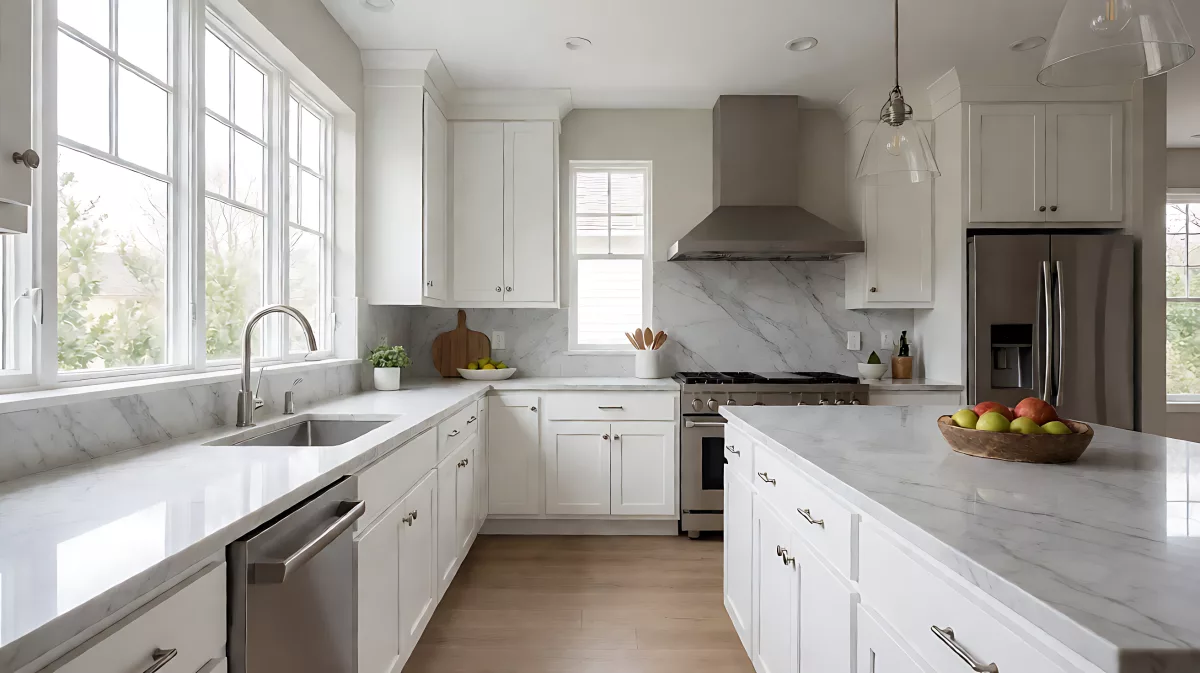
A modern residential kitchen is more than just a place to cook; it is the hub of the home. This guide breaks down the essential components, from the work triangle to high-tech appliances, to help you plan the perfect space.
A modern kitchen is the central hub of a home, designed for efficient food preparation and social gathering. For US and UK homeowners in 2026, the ideal layout balances the classic work triangle with open-plan flexibility, featuring durable materials and smart appliances that prioritize safety and sustainability.
What are the core components of a functional kitchen?
While design trends evolve, the fundamental purpose of a kitchen remains unchanged: to store, prepare, and cook food efficiently. In most residential settings, this requires a reliable stove or range, a sink with hot and cold running water, and a refrigerator for storage. Worktops and cabinets are arranged to minimize movement, often following modular design principles that allow for customization based on the room's dimensions. Many households also incorporate a dishwasher and a microwave oven to streamline daily tasks. The design of these elements is a significant market globally, with manufacturers focusing on durability and ease of maintenance.
How has the history of kitchen design evolved?
The kitchen has transformed dramatically from its early iterations. In medieval Europe, cooking areas were often separate from the main living spaces to manage smoke and fire risks. Wealthy households might have multiple kitchens, each dedicated to specific types of food preparation. In colonial America, kitchens were frequently attached as separate rooms behind the main house, as seen in historical records from Connecticut. Over time, technological advances like the Rumford roaster and later gas and electric stoves brought cooking inside the main dwelling. Today, the focus has shifted from purely utilitarian spaces to integrated living areas that serve both culinary and social functions.
What is the most effective layout for small spaces?
For smaller homes, the layout is critical to maximizing functionality. The "work triangle" concept remains a staple, positioning the refrigerator, sink, and stove in a triangular pattern to minimize steps. In 2026, many designers recommend L-shaped or galley layouts for compact areas, ensuring that cabinets are arranged in a modular fashion to fit awkward corners. Open-plan designs are popular in larger homes, connecting the kitchen to dining or living areas to encourage interaction. However, even in open spaces, it is essential to maintain clear pathways to prevent congestion during meal preparation.
Which appliances are essential in a modern kitchen?
Beyond the basics, several appliances have become standard in contemporary kitchens. A dishwasher is nearly ubiquitous in developed countries, saving time and water compared to hand washing. Smart refrigerators, which can track inventory and suggest recipes, are increasingly common. Range hoods are not just for ventilation but are critical for maintaining air quality and preventing grease buildup. In the UK, gas hobs remain popular, while electric induction cooktops are gaining ground in the US due to their safety features and energy efficiency. When selecting appliances, look for energy-efficient models that meet current environmental standards.
How do commercial kitchens differ from residential ones?
Commercial kitchens, found in restaurants and hospitals, are built for high volume and durability. They use heavy-duty equipment, such as walk-in refrigerators and industrial dishwashers, which are not practical for home use. These spaces are strictly regulated by public health laws. In the US and UK, local health departments inspect these facilities regularly to ensure they meet hygienic standards. While residential kitchens do not face the same regulatory scrutiny, home cooks can adopt some commercial habits, such as thorough sanitization and organized storage, to maintain a safe environment.
What materials are best for kitchen surfaces?
Worktops must withstand heat, water, and frequent use. Quartz and granite are popular choices for their durability and low maintenance. In 2026, sustainable materials like bamboo and recycled composites are trending as homeowners seek eco-friendly options. Cabinets are often made from plywood or solid wood, with finishes that resist moisture. Flooring should be slip-resistant and easy to clean; porcelain tile and hardwood with good seals are common choices. The right combination of materials ensures that the kitchen remains functional and aesthetically pleasing for decades.
How can you improve kitchen safety and efficiency?
Safety is a primary concern in any kitchen design. Ensure that fire extinguishers are readily accessible, and keep flammable materials away from the stove. Adequate lighting is crucial; under-cabinet LEDs help prevent shadowing while working at the counter. Regular maintenance of appliances, such as cleaning range hoods and inspecting electrical cords, prevents accidents. Efficiency can be improved by keeping frequently used items within arm's reach and organizing storage cabinets logically. Investing in a good plan and high-quality fixtures pays off in both performance and longevity.
FAQs about kitchen design
What is the ideal size for a residential kitchen?
There is no single ideal size, but a minimum of 80 square feet is often recommended for a functional layout. However, the dimensions depend on the number of people cooking and the available space. In larger homes, kitchens can be expansive, serving as a central gathering area. The key is to ensure that the work triangle is efficient and that there is ample counter space for preparation.
How often should kitchen cabinets be updated?
Cabinets typically last 20 to 25 years before needing replacement or refacing. In 2026, many homeowners opt for refinishing or repainting to extend the life of their cabinets rather than a full replacement. This approach is cost-effective and reduces waste. If the cabinets are structurally sound, a fresh coat of paint or new hardware can modernize the look without a major investment.
Are open-plan kitchens suitable for all cooking styles?
Open-plan kitchens can be challenging for those who cook foods with strong odors, such as deep-fried items. However, with a powerful range hood and good ventilation, these smells can be managed. For home cooks who enjoy socializing while preparing meals, an open layout is ideal. It allows interaction with guests in the living area, making the kitchen a true social hub.
What is the most energy-efficient kitchen appliance?
Refrigerators are often the most energy-intensive appliance in the kitchen, running 24/7. In 2026, look for models with the highest energy efficiency rating available in your country. Induction cooktops are also highly efficient, transferring heat directly to the pot and reducing energy waste compared to traditional electric coils. Properly sealing doors and maintaining these appliances can further improve their efficiency.