Meal Prep Safety Guide: Preventing Foodborne Illness
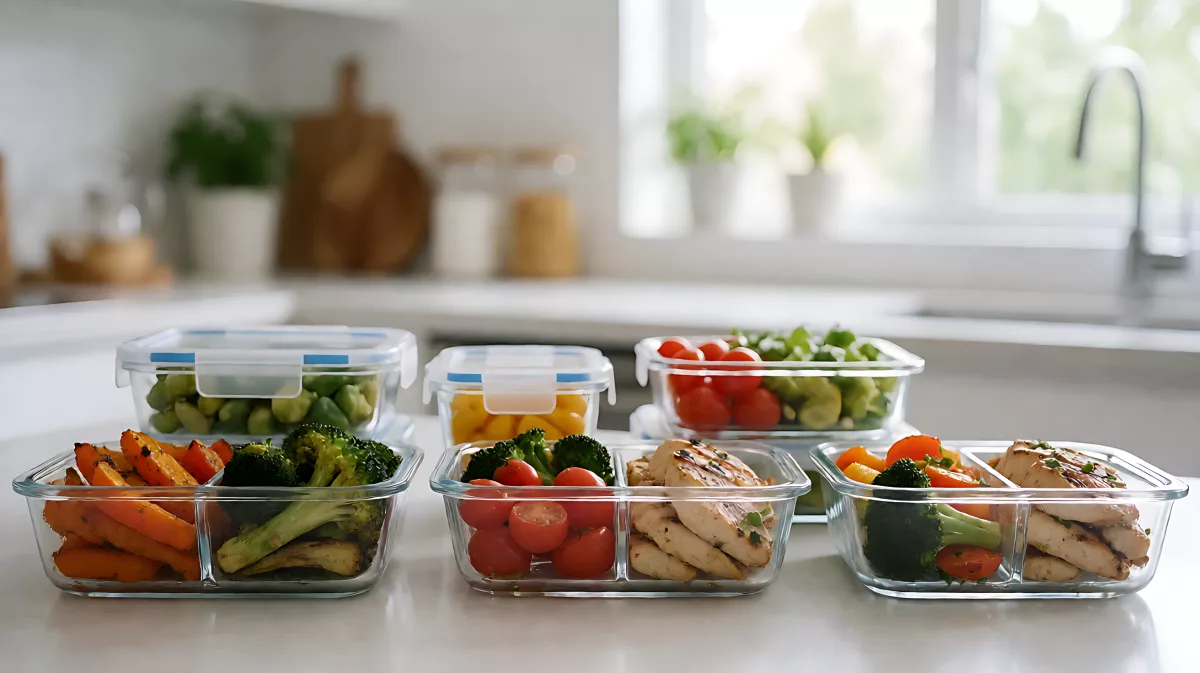
Eating pre-cooked meals is convenient, but incorrect handling can lead to serious foodborne illness. This guide outlines the strict temperature and storage limits recommended by health authorities to keep your weekly meal prep safe and delicious.
Safe meal preparation requires strict adherence to temperature controls and time limits to prevent foodborne illness. According to the German Federal Institute for Risk Assessment, consumers should consume reheated cooked meals within 2 to 3 days or freeze them immediately. Maintaining a refrigerator temperature of 5°C (41°F) or lower is critical for extending the shelf life of pre-cooked proteins and grains while minimizing microbial growth.
Why Food Safety Matters in Meal Prep
For many households, the convenience of batch cooking is appealing, but it introduces specific risks if protocols are ignored. As noted by the Centers for Disease Control and Prevention, foodborne illness affects millions annually, with older adults and those with compromised immune systems facing significantly higher risks of severe complications. The German Federal Institute for Risk Assessment recently emphasized that prolonged storage of cooked food increases the potential for microbial contamination. This is particularly relevant for vulnerable groups, including pregnant women and the elderly, for whom home-prepped meals may pose a higher health risk if hygiene standards are not met.
How Do Refrigerator Temperatures Affect Meal Prep Shelf Life?
The internal temperature of your refrigerator is the single most important factor in preserving pre-cooked meals. The German Federal Institute for Risk Assessment advises that refrigerator temperatures should not exceed 7°C (44.6°F), with 5°C (41°F) being the optimal setting for safety. Because cooling is not uniform across all shelving units, the lower back sections of most fridges tend to be the coldest areas. It is recommended to store cooked meal prep containers in these zones rather than on the door shelves or upper racks, which experience more temperature fluctuations.
What Are the Safe Storage Limits for Cooked Meals?
Storage duration depends heavily on how the food was prepared and cooled. The German Federal Institute for Risk Assessment does not provide a single universal timeline for all meals, but offers specific guidance based on cooking methods:
- Reheated Cooked Meals: Consume within 2 to 3 days of initial cooking. If this window is exceeded, the food should be frozen immediately to halt bacterial growth.
- Raw Ingredient Meals: If a meal involves raw ingredients that have not been fully cooked (such as marinated proteins or fresh salads), it must be consumed within one day.
- Cooling Speed: Food must be cooled rapidly. Leaving hot meals at room temperature for more than two hours allows bacteria to multiply to unsafe levels.
What Types of Containers Are Best for Safe Storage?
Choosing the right storage vessel is as important as choosing the right temperature. Airtight containers prevent cross-contamination and maintain food quality. Glass containers are often preferred for hot meal storage because they do not leach chemicals and reheat food more evenly. For cold storage, BPA-free plastic or silicone containers are viable options. Always ensure lids seal tightly to prevent odors from mixing and to protect food from airborne contaminants.
How Should You Safely Thaw Frozen Meal Prep?
When rotating frozen meal prep into your weekly schedule, proper thawing is essential. The safest methods include thawing in the refrigerator overnight or using the microwave on a defrost setting. Never thaw meat or complex cooked meals on the counter at room temperature. The outer layers can enter the "danger zone" of temperatures where bacteria thrive before the center is fully thawed. If you must use a faster method, ensure the food is cooked thoroughly immediately after thawing.
Common Mistakes in Meal Prep Hygiene
Many consumers believe that cooking food once at the beginning of the week is enough to ensure safety for the entire period. However, the reality of bacterial growth means that food safety is a continuous process, not a one-time event. Cross-contamination is a frequent source of error, such as using the same cutting board for raw chicken and fresh vegetables without sanitizing it in between. Furthermore, not labeling containers with the preparation date leads to the "is this still good?" problem, which often results in either wasting food or, worse, consuming spoiled meals.
How Can You Tell if Meal Prep Has Gone Bad?
Sensory checks are the final line of defense. If a meal smells sour, has an unusual texture, or shows visible signs of mold, discard it immediately. According to food safety experts, smell is not always a reliable indicator of bacterial presence, particularly for high-protein foods like fish or chicken. The most reliable method is strictly adhering to the 3-day rule for cooked foods in the refrigerator. If you are unsure, the safe practice is to err on the side of caution and dispose of the item.
Best Practices for a Safe Weekly Routine
To integrate safety into your routine, plan your cooking sessions to match your consumption rate. Rather than cooking seven days of food on Sunday, consider cooking for three to four days and fresh-cooking the remainder. This hybrid approach reduces the risk of bacterial buildup and ensures better flavor. Additionally, batch-prepping components separately—such as cooking grains, roasting vegetables, and marinating proteins—allows for flexibility while keeping individual components within their safe windows.
Who Is Most at Risk from Improper Meal Prep?
While anyone can suffer from foodborne illness, certain demographics require stricter adherence to safety guidelines. The German Federal Institute for Risk Assessment highlights that pregnant individuals, the elderly, and those with chronic illnesses are particularly vulnerable. Their immune systems may struggle to combat pathogens that a healthy adult might handle without notice. For these individuals, freezing surplus meals for later use is strongly recommended over relying on refrigerator storage for extended periods.
Frequently Asked Questions
Can I keep cooked rice for more than 5 days in the fridge?
Generally, no. While some sources suggest rice lasts up to five days, the German Federal Institute for Risk Assessment emphasizes that reheated meals should be consumed within 2 to 3 days for optimal safety. Bacteria such as Bacillus cereus can survive cooking and multiply rapidly during cooling if not handled correctly.
Is it safe to freeze and reheat the same meal multiple times?
No. Once a meal has been thawed and cooked, it should not be refrozen unless it was reheated to a safe internal temperature and consumed immediately. Repeated freeze-thaw cycles degrade texture and flavor, and can compromise food safety if the food spends too much time in the danger zone during thawing.
What is the "danger zone" for food storage?
The danger zone refers to the temperature range between 5°C (41°F) and 60°C (140°F), where bacteria grow most rapidly. Meal prep should be refrigerated or frozen quickly to avoid prolonged exposure to this range. Hot food should be cooled to 5°C or lower as soon as possible after cooking.
Do I need to special containers for raw marinated meat?
Yes. Raw meat should always be stored in sealed, leak-proof containers placed on the bottom shelf of the refrigerator. This prevents raw juices from dripping onto other food items, which is a common source of cross-contamination in home kitchens.