The Hidden Cost of Meal Prep Fatigue for Seniors
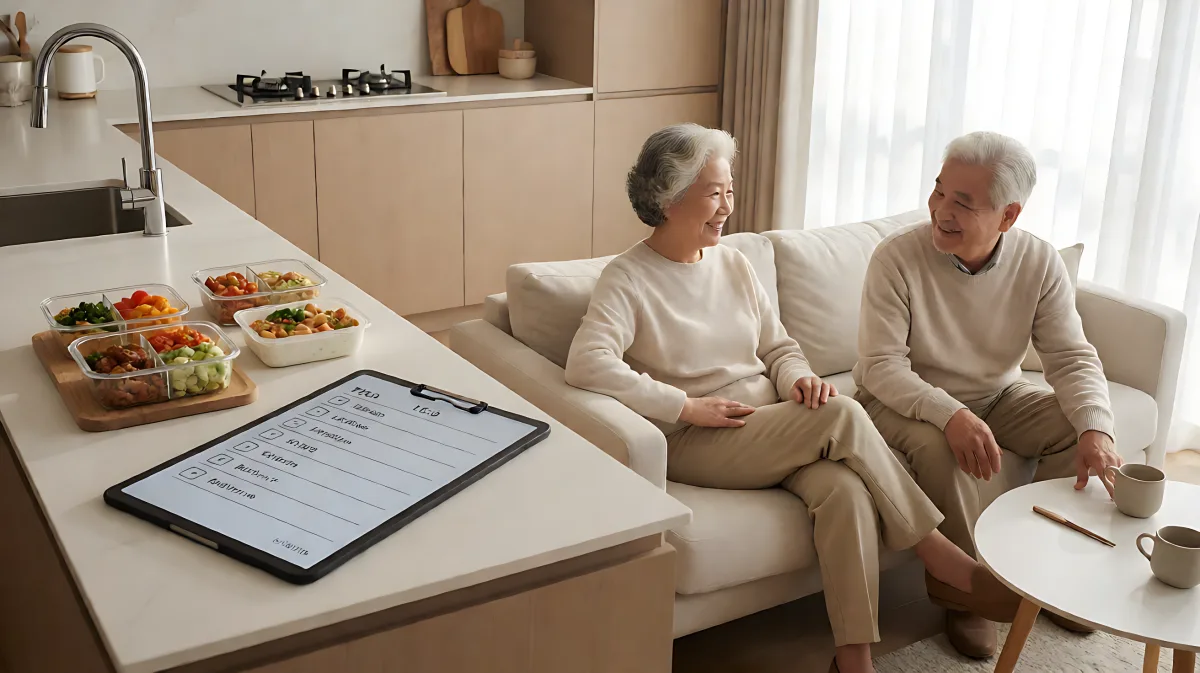
Constant meal choices drain the mental energy of older adults, a phenomenon known as decision fatigue. This analysis explores the invisible costs of kitchen overload and offers practical strategies to reduce cognitive load.
Daily meal choices drain the mental energy of older adults, a phenomenon known as decision fatigue. This analysis explores the invisible costs of kitchen overload and offers practical strategies to reduce cognitive load. By simplifying options and using automated systems, seniors can preserve cognitive resources for more meaningful activities, aligning with the national health goals outlined in the 2026 U.S. Senior Report.
What Is Meal Prep Fatigue in Senior Households?
Meal prep fatigue refers to the mental exhaustion caused by the repetitive decision-making required to plan, shop for, and cook meals. For adults over 65, this is not just a logistical challenge; it is a cognitive burden that competes with other important daily tasks. The U.S. Department of Health and Human Services highlights the need to support healthy people through 2030, focusing on reducing stressors that impact older populations. When the kitchen becomes a source of constant decision-making, it contributes to a state of decision paralysis where even simple choices feel overwhelming. This fatigue is invisible to many family members and care providers who do not recognize the cumulative toll of dozens of minor choices made every day.
How Does Decision Paralysis Affect Senior Well-Being?
Decision paralysis leads to avoidance behaviors, such as skipping meals or relying on highly processed convenience foods, which can undermine nutritional goals. The 2026 U.S. Senior Report notes that while some health behaviors have improved, challenges remain in areas like food insecurity and excessive drinking. A significant percentage of adults in their later years report that managing household tasks, including cooking, is a source of daily stress. This stress can manifest as withdrawal from social activities or a reluctance to host friends, effectively shrinking their world. The cognitive load of tracking expiration dates, meal variety, and dietary restrictions creates a background hum of anxiety that is rarely addressed in traditional geriatric care plans. Addressing this invisible cost is crucial for maintaining mental agility and quality of life.
What Are the Cognitive Costs of Repetitive Kitchen Tasks?
Every meal decision requires the brain to process options, consequences, and preferences. In a senior household, this process is repeated multiple times a day, five to seven times a week. Over time, this depletes the brain's executive function resources, a concept often linked to the "invisible text" of daily life where unacknowledged tasks accumulate. Just as invisible Unicode characters can clutter digital spaces without obvious visual markers, repetitive kitchen decisions clutter the mind without obvious external signs. The result is a subtle but persistent cognitive drain that can interfere with memory and focus in other areas of life, such as managing medications or maintaining social connections.
Why Do Invisible Costs Accumulate in the Kitchen?
The accumulation of these costs is driven by the lack of structured systems in many older-adult homes. Most kitchen layouts and routines are not optimized for reduced cognitive load. Without clear boundaries on choices, the kitchen becomes a space of open-ended possibility, which is the enemy of efficiency for the aging brain. The United Health Foundation, a champion of the Healthy People 2030 initiative, emphasizes that addressing social determinants of health requires looking beyond clinical care to include the daily environments where seniors spend their time. The kitchen is a primary environment for health behaviors, and its design and routine directly impact cognitive well-being. When systems are absent, the brain must work harder to fill in the gaps, leading to fatigue that is difficult to quantify but easy to feel.
How Can Invisible Load Be Measured?
While not all fatigue is easily measurable, indicators include increased use of takeout, unopened groceries expiring in the fridge, and a preference for a very limited rotation of meals. These behaviors are often mistaken for lack of interest or poor memory, but they are frequently symptoms of decision overload. Tracking the number of unique meal choices made per week can provide a proxy for this load. A high number of choices correlates with higher stress levels, while a structured, limited menu correlates with higher satisfaction and better nutritional consistency. This measurement helps identify when the kitchen has become a source of strain rather than nourishment.
What Strategies Reduce Kitchen Decision Overload?
Reduction of overload requires strategic simplification of the meal planning process. The goal is to move from daily decision-making to weekly or even monthly planning. This shift reduces the cognitive burden by batching similar tasks and minimizing the number of unique choices required in a given period. Automating parts of the process, such as using grocery delivery services or pre-portioned meal kits, removes the need for impulsive shopping decisions. These strategies align with the broader trend of using technology and organizational tools to support aging populations, ensuring that the kitchen remains a place of comfort rather than cognitive strain.
How Can Structured Rotations Help?
A structured rotation, such as a four-week menu that repeats, provides a sense of variety without the constant novelty that triggers decision fatigue. Each week features a set of familiar meals, reducing the need for creative problem-solving. This approach allows seniors to focus on the enjoyment of cooking and eating, rather than the anxiety of planning. It also makes grocery shopping predictable and efficient, reducing the time spent in the store and the mental effort required to evaluate products. The predictability supports long-term health goals by ensuring a balanced intake of nutrients without the need for daily calculation.
Which Kitchen Layouts Support Cognitive Ease?
Layout matters significantly in reducing friction. Clear pathways, accessible storage for frequently used items, and visual cues can reduce the cognitive load of locating ingredients and tools. A well-organized kitchen with labeled containers and designated zones for different tasks (prep, cook, clean) creates a flow that minimizes decision points. The 2026 U.S. Senior Report highlights that environmental factors, including housing conditions, impact health outcomes. While not every senior can remodel their home, small adjustments to organization and flow can yield significant cognitive benefits. These adjustments make the kitchen more intuitive and less taxing, supporting independence and dignity.
What Role Do Visual Cues Play?
Visual cues, such as color-coded containers for different days of the week or clear labels on pantry items, reduce the need for memory retrieval. This externalization of information frees up mental resources for more complex tasks or simply for rest. For seniors with mild cognitive decline, these cues are essential for maintaining the ability to cook safely and independently. They provide a scaffolding that supports autonomy without requiring constant mental effort. The use of visible, clear markers helps prevent the "invisible" errors that occur when information is not properly stored or retrieved.
How Does Community Support Mitigate Fatigue?
Community involvement can reduce the burden of individual responsibility. Group cooking events, shared meal programs, or neighborly support networks provide social connection while offloading some of the logistical and cognitive tasks of meal preparation. The Healthy People 2030 objectives emphasize the importance of social support in maintaining health. Engaging with community resources not only reduces fatigue but also combats the social isolation that often accompanies aging. These interactions provide a source of joy and meaning, shifting the focus from the burden of food preparation to the pleasure of sharing meals. This social dimension is a critical, often overlooked, component of kitchen well-being.
What Are the Benefits of Shared Cooking?
Shared cooking introduces a natural division of labor, where tasks are distributed among participants, reducing the individual load. It also brings fresh perspectives and ideas, which can reduce the monotony of cooking while keeping the process structured. For the individual senior, the responsibility is shared, and the focus is on the social aspect of the meal. This reduces the decision fatigue associated with sole ownership of the kitchen. It creates a supportive environment where the mental strain is diluted and replaced by collaborative engagement. This model is particularly effective in rural communities, where the 2026 U.S. Senior Report notes unique challenges to health and access.
Frequently Asked Questions
Is meal prep fatigue a recognized medical condition?
No, meal prep fatigue is not a formal medical diagnosis. However, it is a recognized phenomenon in cognitive psychology and geriatric care that describes the mental exhaustion resulting from repetitive decision-making. It is often a component of broader caregiver or senior fatigue and can impact quality of life and nutritional health.
How can I tell if a senior household is experiencing decision paralysis?
Signs include a drastic reduction in the variety of foods eaten, reliance on a single type of meal (often the easiest to prepare), unopened groceries expiring, and expressed frustration or anxiety when entering the kitchen. Conversations about food may also become negative or avoidant, indicating that the topic is a source of stress.
What is the most effective first step to reduce kitchen cognitive load?
The most effective first step is to implement a simple, fixed meal rotation for a set number of days, such as one week. This eliminates the need for daily planning decisions. It creates a predictable structure that allows the brain to relax and reduces the cognitive effort required to manage the kitchen environment.
Do pre-portioned meals completely solve the problem of decision fatigue?
Pre-portioned meals significantly reduce logistical and nutritional decision-making, but they do not eliminate all cognitive load. The choice of which meal to consume and the management of time around it still require some mental effort. However, by removing the complex tasks of shopping, portioning, and planning, they drastically reduce the overall burden, making it easier for seniors to maintain a healthy diet without excessive mental strain.