Loose Tile Floor Safety for Seniors: Prevention and Repair Guide
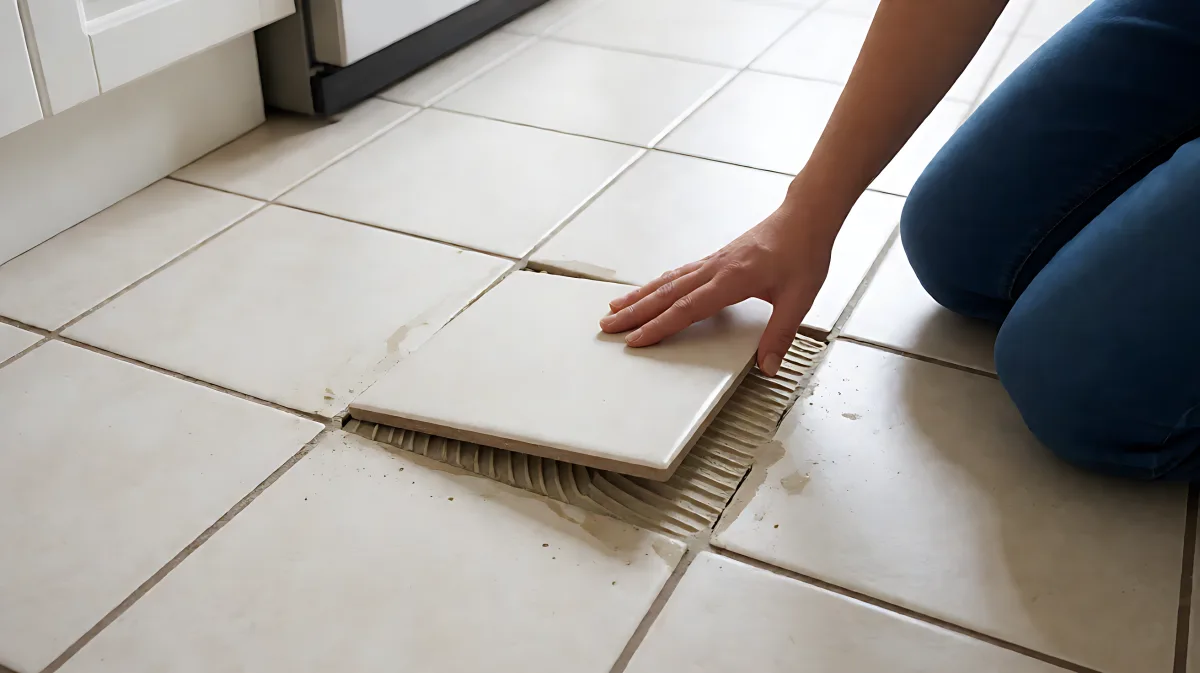
A single loose tile can lead to serious injury for older adults. This guide covers how to identify unsafe flooring, the specific physiological risks for seniors, and step-by-step methods to secure loose ceramic or porcelain tiles without professional help.
Loose tiles on hard flooring present a significant trip and fall hazard, particularly for older adults with reduced balance or mobility. A single unsecured tile can create an uneven surface that causes loss of footing, leading to potential fractures or hip injuries. To ensure safety, homeowners should immediately identify any tile that moves, tilts, or makes a hollow sound when tapped. Simple adhesive repairs or professional re-grouting can secure these surfaces within hours, eliminating the risk before an accident occurs.
Why are loose tiles particularly dangerous for seniors?
According to the Centers for Disease Control and Prevention (CDC), falls are the leading cause of injury-related deaths among adults aged 65 and older. The risk is amplified when seniors navigate uneven flooring. A tile that has detached from its bed of mortar creates a lever point. When a person steps on that specific spot, the edge of the tile can catch a shoe or sock, causing a sudden stumble.
Older adults often have slower reaction times and reduced muscular strength compared to younger individuals. This means that if they trip on a loose tile, they are less able to recover their balance instantly. The consequences of a fall are also more severe; a hip fracture, for instance, can drastically reduce independence and increase mortality risk. Therefore, floor integrity is not just a cosmetic issue but a critical component of personal health and safety in the home.
How can you identify a loose or hollow tile?
Detecting the problem early is the first step toward resolution. You can perform a simple audit of your hard floors using basic tools and observation.
- Visual Inspection: Look for gaps in the grout lines. If you see light underneath a tile or if the grout is crumbling, the tile may have lost support.
- The Tap Test: Use a small wooden mallet or a screwdriver handle to gently tap the face of the tile. A solid tile produces a dull, muffled thud. A loose or hollow tile produces a sharp, ringing sound, similar to knocking on a hollow box.
- Flex Check: Press down firmly on the corner of the tile. If it flexes up and down or if you can wiggle it slightly, the adhesive bond has failed. You must address this immediately.
If multiple tiles are loose, it may indicate a larger issue with the subfloor, such as moisture damage or structural shifting. In these cases, consulting a professional contractor is recommended.
What is the best way to repair a loose tile at home?
For a single loose tile, a DIY repair is often sufficient and safe. The goal is to re-adhere the tile to the stable subfloor without removing the entire section.
Step 1: Remove the loose tile carefully
Turn off any power to the area if the floor is near electrical outlets or appliances. Use a chisel and a small hammer to carefully pry up the tile. Work slowly to avoid cracking the tile face, as you will reuse it. If the grout is intact, it can be removed later, but it is easier to clean the tile face first.
Step 2: Prepare the subfloor
Clean the area where the tile sits. Remove old, broken pieces of mortar and dust. The surface must be dry and clean for new adhesive to bond properly. If the subfloor is damp, wait until it is completely dry before proceeding. A moisture meter can be useful here to ensure no underlying leaks are present.
Step 3: Apply new adhesive
Use a high-quality tile mortar or epoxy adhesive suitable for your tile material. Apply a thin, even layer to the back of the tile and a corresponding layer to the subfloor. Press the tile firmly into place. Use a level to ensure it is flush with the surrounding tiles. If it is slightly low, add more adhesive; if it is high, it may cause a trip hazard later.
Step 4: Grout and seal
Once the adhesive has cured (usually 24 hours, depending on product instructions), you can re-grout the joints. This seals the repair and prevents water from seeping underneath the tile in the future. For ceramic tiles in wet areas like bathrooms, applying a grout sealer adds an extra layer of protection against moisture.
When should you call a professional instead?
DIY repairs are ideal for one or two isolated tiles. However, you should hire a licensed flooring contractor if:
- More than 5-10% of the floor is loose, indicating a systemic failure.
- The subfloor is damaged, warped, or covered in water.
- The tiles are installed over a system that requires specialized tools, such as radiant heating mats or intricate mosaics.
Professional services ensure that the entire floor is leveled correctly, which is vital for senior safety. They can also replace the subfloor if it is compromised, providing a long-term solution.
How can seniors reduce the risk of falls on tile floors?
Even with secure tiles, senior homeowners can take additional steps to improve safety. These measures create a defense-in-depth strategy against falls.
Use non-slip mats and rugs
Placing high-quality non-slip mats under chairs, in doorways, and in front of the bed can provide traction. Ensure the mats have a rubberized back to prevent them from sliding on the tile. Avoid loose rugs, which are themselves a common trip hazard.
Wear appropriate footwear
Bare feet and smooth-soled slippers offer minimal grip on hard surfaces. Encourage seniors to wear closed-toe shoes with non-skid soles when moving around the house. This provides better stability and protects the feet from potential impact.
Improve lighting
Shadows can obscure the edges of tiles or grout lines, making it harder to see small irregularities. Install brighter, warm-white LED bulbs in hallways and bathrooms. Nightlights are also highly recommended to guide seniors to the bathroom without stumbling in the dark.
Install grab bars and handrails
While not directly related to floor tiles, having support in key areas allows seniors to maintain balance if they do encounter an uneven surface. Grab bars in the shower and toilet areas, and handrails along staircases, are critical safety investments.
What are the long-term benefits of maintaining floor integrity?
Regular maintenance of hard floors extends the life of the property and ensures a safe environment for residents. A proactive approach to fixing small issues, like a single loose tile, prevents larger, more expensive repairs down the line. It also gives peace of mind to families who are concerned about the safety of their older relatives.
Furthermore, a well-maintained home is more appealing to potential buyers or renters in the future. Aesthetically, clean and secure tiles look better than cracked or lifting ones. Structurally, they prevent water intrusion that can rot wooden subfloors or corrode metal supports. By treating floor safety as a priority, homeowners create a more resilient and secure living space.
FAQ
Can I use regular epoxy to fix a loose tile?
It is not recommended to use general-purpose epoxy for large area tile repairs as it may not bond well with ceramic or porcelain. Instead, use a specialized tile mortar or adhesive designed for your specific tile material. These products are formulated to provide a strong, durable bond with the subfloor.
How long does tile adhesive take to dry completely?
Most standard tile mortars require 24 hours to cure fully, though some fast-setting options may dry in as little as 1-2 hours. Always check the manufacturer's instructions on the package. Walking on the repair before it is fully cured can displace the tile and weaken the bond.
What should I do if the subfloor is soft or crumbling?
If the subfloor is soft or crumbling, the tile cannot be securely reattached. You must patch the subfloor with a cementitious backer board patch or similar material. Allow the patch to cure completely before installing the tile. If the damage is extensive, professional assessment is required to ensure structural stability.
Are non-slip coatings effective on existing tile floors?
Yes, there are specialized non-slip coatings and sealers that can be applied to existing tile floors to increase traction. These are particularly useful in bathrooms and kitchens. However, they must be applied to a clean, dry surface and may need to be reapplied periodically. Test a small area first to ensure the product does not discolor the tiles.