Teflon Safety: Heat Limits, Scratches & PFAS Facts
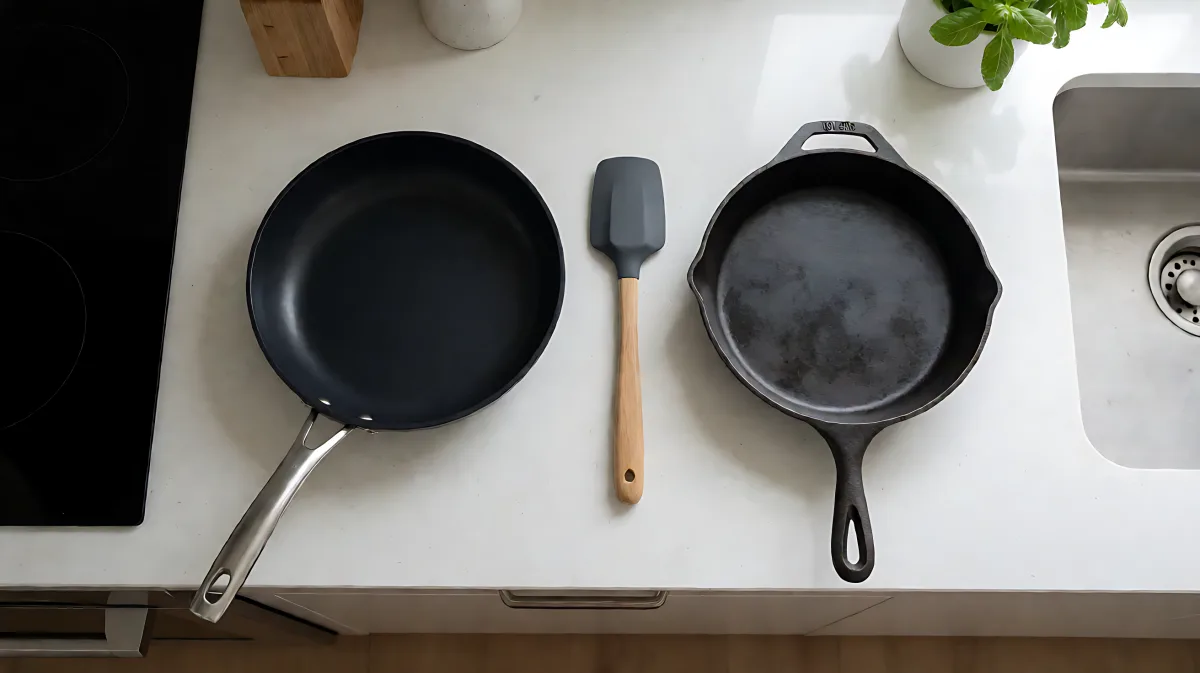
Modern non-stick pans are safe if used on low heat. Discover the specific temperature triggers for toxic fumes, the impact of scratches on food, and how to maintain your cookware correctly.
Most non-stick cookware is safe for daily use, provided you keep the heat below 260 degrees Celsius (500 degrees Fahrenheit) and avoid using metal utensils that scratch the surface. Recent research highlights that overheating releases toxic fumes, while worn coatings shed millions of microplastic particles into food. By following basic care rules and monitoring the coating's condition, you can cook with confidence without health risks.
Why Is Non-Stick Cookware Considered Safe?
For decades, consumers worried that Teflon coatings were inherently toxic. The reality is more nuanced. The coating, known as PTFE or polytetrafluoroethylene, is chemically inert when intact and at normal cooking temperatures. Your body cannot digest or absorb PTFE particles. If a tiny flake were swallowed, it would pass through the digestive system unchanged. The safety concerns only emerge under two specific conditions: extreme heat and physical damage to the surface.
What Are the Risks of Overheating a Pan?
PTFE begins to break down at approximately 260 degrees Celsius. Above this threshold, the coating releases toxic fumes containing fluoride-based compounds. An empty pan on a high burner can reach 350 degrees Celsius in under five minutes, a danger zone for anyone who preheats cookware without adding food immediately. These fumes can cause polymer fume fever, a flu-like condition characterized by chills, headaches, and chest tightness that typically resolves within 48 hours. For households with pet birds, this risk is critical, as avian respiratory systems are extremely sensitive to PTFE vapors and can suffer fatal exposure within minutes. Always ensure strong ventilation and keep pans away from birds when using non-stick cookware.
Do Scratched Pans Contaminate Your Food?
Many families assume that a scratched pan is merely an aesthetic issue, but in fact, it is a significant source of microplastic contamination. A study published by Flinders University in Australia analyzed worn non-stick surfaces and found that a single scratch can release approximately 9,100 microplastic particles. During a standard cooking session, a damaged pan can shed an estimated 2.3 million microplastic and nanoplastic particles into the food. These particles are not generic plastic; they are fragments of the PTFE coating itself. While the long-term health effects of ingesting these specific particles are still being studied by toxicologists, the sheer volume suggests that replacing heavily worn pans is a prudent safety measure.
Is the PFAS Label a Marketing Trick?
Shoppers often see the term PFOA-free on packaging and assume the product is free of all problematic chemicals. PFOA, or perfluorooctanoic acid, was a specific chemical used in manufacturing PTFE that has been largely phased out of production due to links with thyroid disease and other health issues. However, PFOA-free does not mean PFAS-free. PFAS is a broader family of synthetic chemicals, sometimes called forever chemicals because they persist in the environment. Some manufacturers use alternative PFAS compounds in their production processes. While modern coatings are generally safer than those from decades ago, understanding the distinction helps in making informed purchasing decisions.
How Can You Use Non-Stick Cookware Safely?
You do not need to discard your entire collection to reduce risk. The goal is to prevent overheating and physical damage. Adopting a few simple habits ensures your pans remain in optimal condition for their intended lifespan of two to five years with daily use.
- Control the heat: Cook on low to medium settings. Never leave an empty pan on a hot burner; add food or liquid immediately after preheating.
- Protect the coating: Use silicone, wood, or nylon utensils. Metal forks and knives are the primary cause of deep scratches that lead to particle shedding.
- Choose the right fat: Avoid aerosol cooking sprays, which can leave a sticky residue that is hard to clean and can clog pores in the coating. Instead, use a small amount of avocado oil, butter, or refined olive oil.
- Store with care: Hang pans or place a paper towel between stacked cookware to prevent the tops of pans from scratching the bottoms of others.
- Monitor wear: Replace the pan immediately if the coating is flaking, peeling, or has deep scratches that expose the base metal.
What Are the Best Alternatives to PTFE?
If you want to avoid PTFE entirely, ceramic-coated pans offer a PFAS-free option. These are made using a sol-gel process and do not off-gas toxic fumes when overheated. However, ceramic coatings tend to lose their non-stick properties faster than PTFE, often within a year of heavy use. For high-heat tasks like searing steaks or stir-frying, stainless steel and cast iron are the gold standards. They are durable, do not shed microplastics, and can handle the high temperatures required for browning food effectively. A balanced kitchen often includes a PTFE pan for delicate items like eggs and fish, alongside a cast iron skillet for high-heat cooking.
Frequently Asked Questions
At what temperature does Teflon become dangerous?
PTFE coatings start to degrade at around 260 degrees Celsius (500 degrees Fahrenheit). Fumes become significant above 348 degrees Celsius (660 degrees Fahrenheit), but it is safest to keep cooking temperatures well below the initial breakdown point to prevent any release of compounds.
Should I stop using my old scratched pans?
If the scratches are deep, the coating is flaking, or the base metal is exposed, it is time to replace the pan. Surface scuffs that do not break the coating are less concerning, but they can trap food and make cleaning difficult, so regular inspection is recommended.
Can I put non-stick pans in the dishwasher?
It is better to hand wash non-stick cookware. The high heat and harsh detergents in dishwashers can degrade the coating over time, reducing its non-stick performance and lifespan. Use warm water and a soft sponge for routine cleaning.
Are ceramic pans completely safe from all chemicals?
Ceramic coatings are generally PFAS-free, but they are not entirely free of all chemical additives. The primary safety benefit is that they do not release toxic fumes when overheated like PTFE. However, they are less durable, so you will likely need to replace them more frequently to maintain safe, effective cooking performance.