Designing Kitchens for Cognitive Decline
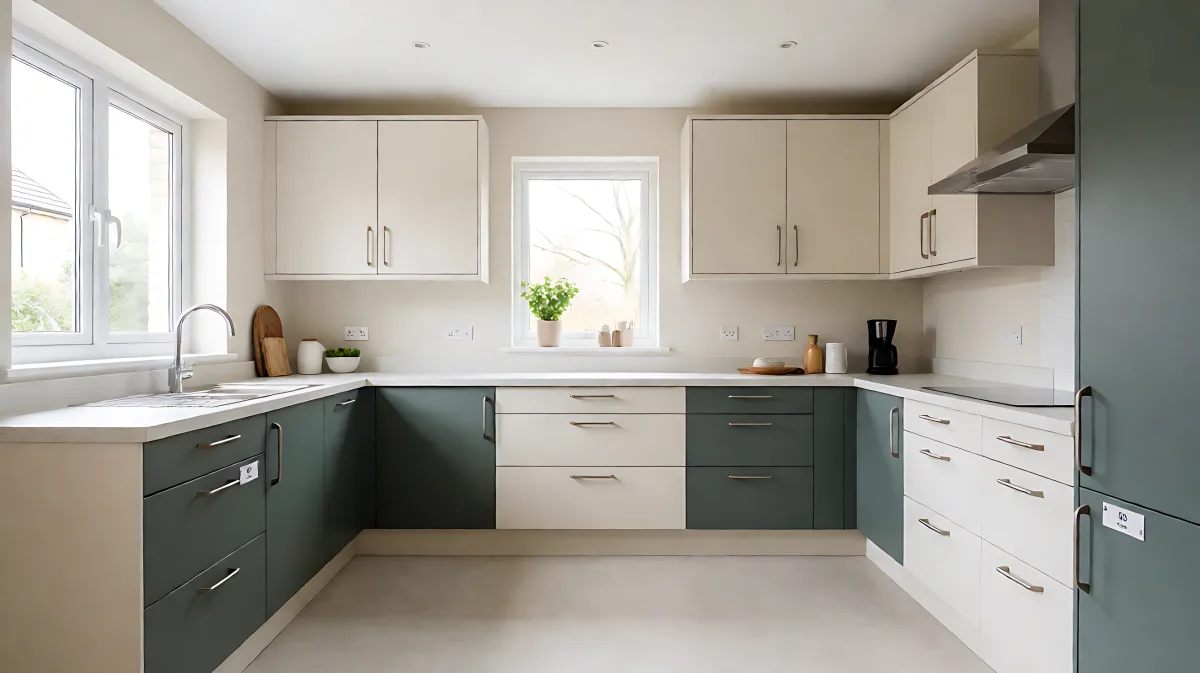
As cognitive abilities shift with age, the kitchen becomes the heart of daily safety and independence. This guide outlines specific design choices that reduce confusion and support memory.
Designing a kitchen for cognitive decline requires prioritizing clarity, high contrast, and simplified workflows to reduce confusion and support independence. As the number of adults living with Alzheimer’s disease and other forms of dementia is expected to triple by 2050, home environments must evolve to meet these needs. Key strategies include using contrasting colors for countertops and cabinets, installing task-specific lighting, and removing visual clutter to create a safe, navigable space.
Why the Kitchen is Critical for Cognitive Health?
The kitchen is one of the most frequently used rooms in the home, serving as a hub for nutrition, socialization, and routine. For individuals experiencing memory loss or executive function changes, a poorly designed kitchen can become a source of anxiety and frustration. Researchers have noted that the brain’s ability to process spatial information and task sequencing degrades in conditions like mild cognitive impairment. According to recent systematic reviews published in Cureus, maintaining a structured and supportive environment can slow the progression of daily life deficits. While medical treatments currently offer limited relief, environmental adjustments remain one of the most effective immediate interventions. A well-planned kitchen reduces the cognitive load required for cooking, thereby preserving the individual’s autonomy for longer.
What Role Does Lighting Play in Reducing Confusion?
Lighting is a primary factor in spatial orientation. Poor illumination leads to shadows that can be misinterpreted as obstacles, increasing fall risks. For those with visual processing issues, standard overhead lighting is often insufficient. Instead, layered lighting is recommended. Under-cabinet task lights provide direct illumination on work surfaces, while warm, dimmable ambient lighting supports circadian rhythms and reduces agitation. High-contrast lighting fixtures help define edges and boundaries. In the United Kingdom and the United States, lighting design standards for senior care often suggest a minimum of 500 lux at the food preparation counter. This level ensures that small items, such as buttons or coins, are visible, and that the distinction between the floor and cabinets is clear.
How Should Cabinet Colors and Hardware be Selected?
Visual distinction is vital. Many older adults experience a reduction in the ability to perceive low-contrast colors. A white countertop with white cabinets creates a "void" effect, making it difficult to judge where one surface ends and another begins. Designers recommend a 70% to 30% rule: keep 70% of the kitchen in neutral tones to maintain a calm atmosphere, but use 30% in high-contrast colors to define functional zones. For example, a deep navy island against white walls creates a clear focal point. Hardware should be loop-style or large bar pulls that are easy to grip and do not require a twisting motion. Flat, recessed handles are often confusing for individuals with apraxia, as they require a precise pinch grip that cognitive decline can impair.
What Layout Features Support Memory and Orientation?
Complex layouts with multiple sight lines can be disorienting. A simplified, linear or L-shaped layout is generally superior for cognitive accessibility. The "work triangle" should be minimized to reduce the number of steps required between the sink, refrigerator, and stove. This reduces the cognitive energy spent on navigation. Additionally, placing frequently used items at eye level and eliminating upper cabinets in the main workflow zone reduces the need for ladders or step stools, which are fall hazards. Open shelving is often preferred over closed cabinets because it allows users to see items at a glance, reducing the mental effort required to remember where a specific pot or pan is stored.
How Can Visual Cues Help with Task Sequencing?
Cognitive decline often impacts working memory, making it difficult to remember the next step in a recipe or cleaning routine. Visual cues can bridge this gap. Large, legible labels on drawers and bins help reinforce object location. Some families use color-coding systems where blue bins hold cleaning supplies and red bins hold kitchen towels. This creates a logical, visual hierarchy that supports decision-making. Digital timers with large displays can also be integrated into the design, ensuring that users do not lose track of time, a common issue for those with time-perception disturbances.
What Are the Best Material Choices for Safety and Cleanliness?
Materials must be non-slip and easy to clean to minimize the cognitive load of maintenance. Smooth, seamless countertops like quartz or solid surface materials are easier to wipe down than textured granite, which can harbor food particles and require polishing. Flooring should be non-slip and have a matte finish to reduce glare. Sealed hardwood or luxury vinyl plank is popular in both the US and UK markets for this reason. The transition between materials should be flush, with no thresholds, to prevent tripping. Soft-touch cabinets with soft-close dampeners prevent the startling noise of slams, which can increase stress and confusion for those with sensory sensitivities.
Why Is Clutter Control Essential in Kitchen Design?
Clutter is the enemy of a dementia-friendly kitchen. Every item on the counter is a decision point. Designers advocate for "closed storage" for anything that is not used daily. This includes integrating appliances into cabinetry and using drawer organizers to keep items aligned and predictable. A tidy environment reduces sensory overload, which can trigger anxiety or agitation in individuals with Alzheimer’s. The goal is to create a space that feels calm and orderly, supporting the user’s mood and cognitive stability.
Frequently Asked Questions
Should smart home technology be installed in a cognitive care kitchen?
Smart technology can be beneficial if kept simple. Voice-activated lights and speakers that provide time-of-day updates can be helpful. However, complex systems require training and memory. It is best to use dedicated, large-button devices or routines that are set once and repeated daily. Avoid systems that require daily passwords or changing configurations.
What is the ideal height for a kitchen counter?
Standard counter height is 36 inches (91 cm). For cognitive care, adjust the height to the user’s elbow level when standing. This reduces strain on the back and shoulders. Consistency in height is more important than the absolute number; ensure the stove and sink are at the same height to minimize postural changes.
How do you label items without them being intrusive?
Use large, high-contrast, removable labels with simple icons and short text. Place them on the front of drawers and the edge of shelves. The text should be large enough to read from a foot away. Consistency is key; a water icon should always mean water containers, every time.
Are there specific colors to avoid?
Avoid yellow and blue floor patterns, as these can trigger visual disturbances or phobias in some individuals. Avoid bright white walls with white cabinets, as this creates a "melting" effect. Stick to warm, neutral tones like beige, soft gray, and cream for the main walls.