Home-Based Senior Care: Kitchen & Meal Support Facts
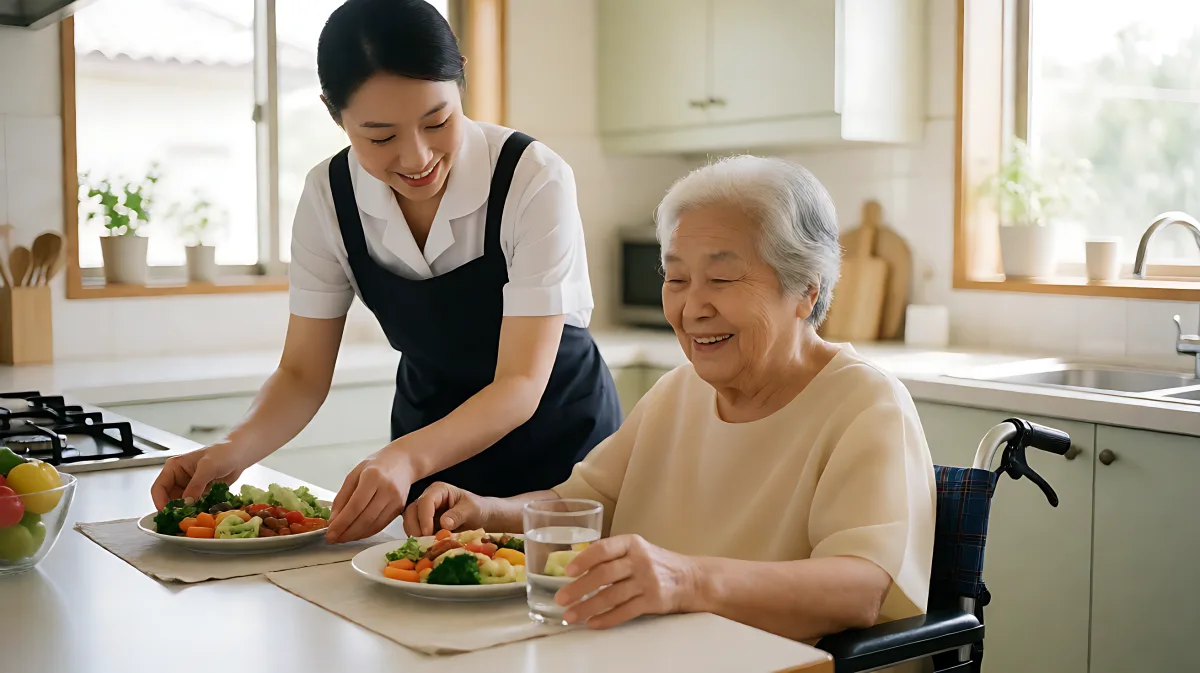
Discover how homemaking services, home-cooked meals, and professional kitchen safety support keep seniors independent and healthy at home.
Home-based senior care services, such as kitchen cleaning, meal preparation, and homemaking support, help adults age in place with dignity. These programs, often funded by Medicaid waivers like Mass Rehabilitation in Massachusetts or equivalent UK benefits, provide around-the-clock or scheduled assistance to maintain a safe and healthy living environment.
What makes kitchen support a critical part of in-home senior care?
For many older adults, the kitchen is the heart of the home, but it can also be a high-risk area for falls, fires, and foodborne illness. Professional caregiving organizations now recognize that safety extends beyond personal hygiene; it includes environmental modifications and routine management. Professional organizations emphasize that kitchen maintenance is a cornerstone of non-medical home support, ensuring that seniors can access fresh, nutritious food without the physical strain of heavy lifting or hazardous cleaning tasks.
How does homemaking service assist with kitchen tasks and meal support?
Homemaking services are specifically designed to handle household chores that become difficult for seniors due to arthritis, mobility issues, or cognitive decline. According to North End Waterfront Health in Boston, these services include "kitchen cleaning, ... preparing meals, [and] local shopping." In the UK, similar support is often available through local council-funded personal care budgets or through organizations that align with the NHS Continuing Healthcare criteria.
- Active Meal Prep: Caregivers prepare balanced, fresh meals and store them safely, ensuring the senior has a ready supply of food that meets specific dietary requirements (such as diabetic-friendly or low-sodium diets).
- Kitchen Sanitation: Regular cleaning of counters, stoves, and sinks prevents the buildup of bacteria, a significant risk factor for elderly populations whose immune systems may be compromised.
- Food Security: Caregivers perform grocery shopping, ensuring the refrigerator and pantry are stocked with perishable items before they expire or go off.
In residential settings like Columbia River Senior Care in Washington, this support is elevated by dedicated kitchen staff who provide daily home-cooked meals. This dual approach ensures that whether an older adult is staying at home or in a small group home, their nutritional intake is consistently monitored and managed.
Can professional care address specific dietary needs and mobility limitations?
Yes. Caregiving agencies and senior residences frequently employ dietitians or trained nutrition specialists to customize menus. For example, Columbia River Senior Care notes that their menus are "customized to meet dietary needs while celebrating the joy of delicious, shared dining experiences." For seniors who cannot reach overhead cabinets or stand for long periods, this professional intervention prevents the development of poor eating habits. It also reduces the risk of malnutrition, which is a leading contributor to frailty and hospitalization in those over 65.
How can families access these specific kitchen and meal-based services?
Accessing these services typically begins with an assessment by a state or county agency. In the US, states like Massachusetts use the Mass Rehabilitation Program to fund personal care and homemaker services for older adults. Families should contact their local Area Agency on Aging to determine eligibility for in-home support. In the UK, families can approach local social services departments for a needs assessment to see if a kitchen safety package or meal provision service can be funded.
What is the role of the kitchen in overall home safety?
The kitchen is often the first area addressed in a home safety evaluation. Caregivers and home-visit nurses check for trip hazards like clutter on the floor, ensure that the stove cannot be left on unattended, and verify that smoke detectors are functional. By maintaining a clean and organized kitchen, care teams directly reduce the likelihood of preventable accidents.
Does professional kitchen assistance replace professional medical care?
It is a complementary, non-medical service. While homemakers clean and prepare food, they do not provide clinical nursing. However, home-visiting nurses, such as those from North End Waterfront Health, often coordinate with these services to ensure that home-cooked meals align with a patient's current medication regimen and health status.
Are there benefits to shared dining experiences for seniors?
Absolutely. Organizations like Columbia River Senior Care highlight that the joy of shared dining promotes social connection. Combining a professional kitchen with an engaging social calendar helps combat isolation, which is a recognized health risk in the aging population.