Hidden Home Repair Hazards & DIY Safety Tips
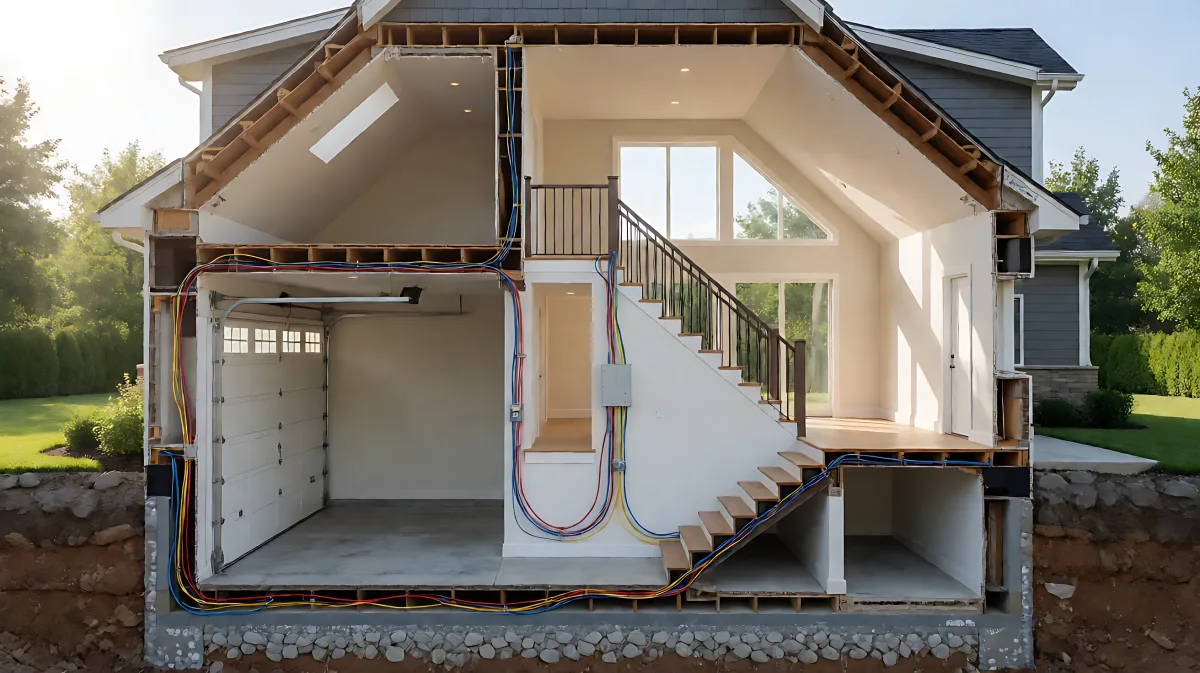
Many home safety issues are invisible until they cause harm. From cracked walkways to radon gas, learn how to identify and fix the hidden hazards that threaten your household.
Hidden home repair hazards are often invisible until they cause injury. Risks range from uneven walkways and loose railings to toxic radon gas and exposed wiring. Identifying these issues early prevents accidents. A routine check of these common blind spots can significantly improve your household safety profile and protect your property investment.
How Do You Spot Structural Weaknesses?
Many structural hazards hide in plain sight, often caused by drainage problems or soil movement. Uneven concrete paths and lifted sidewalks are frequent trip hazards, especially for children and older adults. While a small height difference seems minor, it can lead to serious falls. Inspect your exterior walking surfaces regularly. Look for raised edges or unstable areas that need repair before an accident occurs.
Deck, balcony, and stair railings are another critical area. Older homes often feature railings that are too low, weak, or spaced too far apart. These outdated fixtures may not meet current safety standards. If a railing feels loose or appears worn, it should be inspected by a professional. Securing these elements is vital, particularly if you have young children in the household.
What Electrical Risks Should You Watch For?
Electrical faults are among the most common hidden dangers in modern homes. Missing switch plates or outlet covers expose wiring, creating a significant shock hazard. This is often overlooked in garages, utility rooms, or unfinished basements. Replacing damaged cover plates is a cheap and quick fix that improves immediate safety.
Worn electrical cords are also a fire risk. Cracked insulation can spark, leading to ignition. Furthermore, cords lying across walkways create tripping hazards. Route cords along walls or behind furniture. In older homes with fewer outlets, consider hiring a licensed electrician to install additional points. This reduces the need for overloaded power strips, which can overheat.
Are Your Air Vents And Detectors Functional?
Air quality and fire detection are linked. Clogged HVAC filters restrict airflow, overworking the system and potentially causing motor overheating. They also spread dust, mold, and allergens. Replace filters routinely and have your system serviced annually. Blocked vents with furniture or clutter lead to inefficient heating and cooling, plus higher energy bills.
Smoke and carbon monoxide detectors must be tested monthly. A dead battery or missing unit on a floor can leave your family without warning. Experts recommend placing detectors on every level and outside sleeping areas. Fire extinguishers also expire; check the pressure gauge annually and keep one near the kitchen and garage.
How Can You Identify Invisible Toxins Like Radon?
Some hazards are completely invisible. Radon is an odorless, colorless radioactive gas that seeps into homes through cracks in foundations. It is the second leading cause of lung cancer in the United States. There is no risk-free level of exposure. Low-cost testing kits are available to measure radon levels. If levels are high, a certified professional can install a mitigation system to vent the gas outside.
Lead is another hidden risk in older properties. While lead paint is no longer used, it remains in homes built before the late 1970s. Chipping paint near door frames or windows can release toxic dust. The Environmental Protection Agency advises testing drinking water and paint if you live in an older home. For mold, which grows from hidden leaks, look for musty smells or dark staining. Addressing the water source is essential to prevent recurrence.
What Are The Newer Hazards From Modern Devices?
Modern life brings new risks, particularly from lithium batteries found in e-bikes, scooters, and backup power units. Charging these large batteries indoors can cause severe fires if they overheat. Manufacturers recommend charging in well-ventilated areas and following specific guidelines. Avoid leaving e-bikes charging unattended for long periods.
Brick and mortar separation between the garage and living space is also critical. Garages store fuel and flammable tools. A damaged fire-rated wall or missing door seal can allow flames to spread rapidly into the home. Ensure this barrier is intact and unmodified.
Frequently Asked Questions
How often should I test for radon gas?
Experts recommend testing every two years, or immediately if you move into a new home or live in a known high-radon area. Testing is cheap and easy, typically requiring a kit to sit in the lowest level of the house for 48 hours to seven days.
Is it safe to fix loose stair railings myself?
If the fix involves simple tightening of screws, it may be manageable. However, if the railing is significantly loose, rusted, or structurally compromised, hire a carpenter. Faulty railings are a leading cause of falls in multi-story homes.
What should I do if I find mold in the attic?
First, find the water source. Attic mold usually indicates a roof leak or poor ventilation. Fix the leak, then clean the affected area using appropriate protective gear. If the affected area is larger than nine square meters, consider hiring a remediation professional.
Are surge protectors enough to prevent electrical fires?
Surge protectors help manage voltage spikes, but they do not prevent fires from overloaded circuits or old wiring. Regularly inspect your wiring and avoid plugging multiple high-wattage appliances into a single outlet or strip.