Bone Density Nutrition Guide: Calcium & Vitamin D
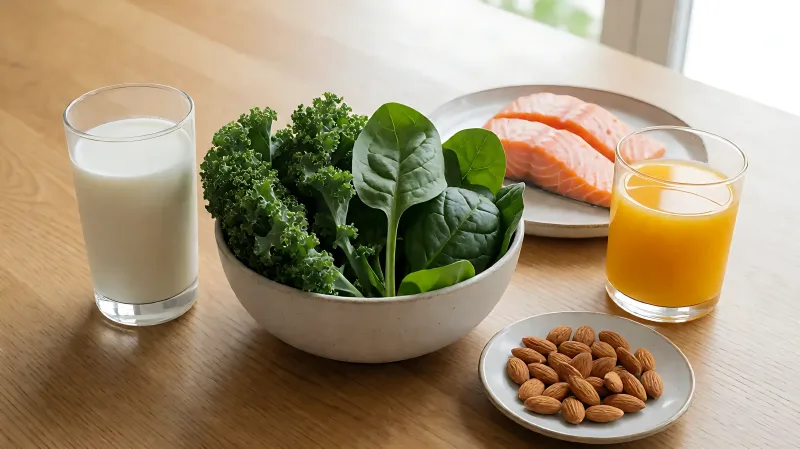
Protecting your skeleton requires more than just milk. This guide breaks down the specific roles of calcium, vitamin D, and vitamin K in maintaining bone mineral density, offering actionable food sources and supplement strategies for US and UK adults.
Strong bones rely on a synergy of three key nutrients: calcium for structure, vitamin D for absorption, and vitamin K for directing calcium to the skeleton. The National Osteoporosis Foundation and other health bodies emphasize that dietary intake of these nutrients is the first line of defense against osteoporosis. For adults over 50, daily targets typically range from 1,000 to 1,200 milligrams of calcium and 600 to 800 International Units (IU) of vitamin D. Prioritizing whole food sources over isolated supplements can improve overall nutrient absorption while reducing the risk of adverse effects like kidney stones.
For more information, see NIH Office of Dietary Supplements calcium fact sheet from the National Institutes of Health.
What role does calcium play in bone health?
Calcium is the primary mineral building block of bone. When you do not consume enough calcium, your body steals it from your bones to maintain normal blood calcium levels, a process that leads to decreased bone density over time. The recommended daily intake varies by age. Adults under 50 generally need 1,000 milligrams of calcium per day, while those 50 and older need 1,200 milligrams. Women who are postmenopausal have a higher risk of rapid bone loss, making consistent intake critical.
You can meet these needs without relying exclusively on dairy. Leafy greens such as kale and broccoli are rich in calcium, though the bioavailability differs compared to dairy. For non-dairy options, canned sardines and salmon with bones provide significant amounts. Fortified foods are also excellent sources. A single cup of fortified soy milk can provide up to 300 milligrams of calcium, which is roughly 30% of the daily value for an adult. Tofu prepared with calcium sulfate is another solid plant-based option, offering about 160 milligrams per quarter-block serving.
How does vitamin D affect calcium absorption?
Vitamin D acts as a key that unlocks calcium absorption in the small intestine. Without sufficient vitamin D, the body may absorb only 10 to 15% of dietary calcium. With adequate levels, absorption can increase to 30 to 40%. The sun produces vitamin D when exposed to ultraviolet B rays, but many people in northern latitudes, including those in the US and UK, struggle to get enough through sunlight alone, especially during winter months.
Dietary sources of vitamin D are limited but include oily fish like mackerel, salmon, and sardines. The British Nutrition Foundation advises consuming at least two portions of fish per week, one of which should be oily, to support overall health including heart function. Fortified products like orange juice, some breakfast cereals, and milk are also common sources. The National Institutes of Health suggests that adults aged 50 and older may need 800 to 1,000 IU of vitamin D daily to support bone health, compared to 400 to 800 IU for those under 50.
Why is vitamin K important for bones?
While less discussed than calcium and vitamin D, vitamin K plays a vital role in bone metabolism. It activates proteins that bind calcium to the bone matrix. There are two main forms: K1, found in leafy greens, and K2, found in fermented foods like natto and certain cheeses. The Bone Health & Osteoporosis Foundation notes that the recommended daily intake is between 90 and 120 micrograms. However, they caution that current research does not strongly support taking high-dose vitamin K supplements specifically for osteoporosis prevention. Since vitamin K is involved in blood clotting, individuals on anticoagulants like warfarin should consult a healthcare provider before changing their intake of green leafy vegetables or supplements.
Which foods boost bone density effectively?
An effective bone-healthy plate includes a mix of calcium-rich foods, vitamin D sources, and vitamin K rich greens. Below is a breakdown of top contenders and their approximate nutrient profiles.
| Food Source | Key Nutrients | Approximate Serving |
|---|---|---|
| Low-fat milk | Calcium, Vitamin D (if fortified) | 8 fl oz (1 cup) |
| Salmon | Vitamin D, Omega-3, Protein | 3.5 oz (100 g) cooked |
| Kale | Vitamin K, Calcium | 1 cup raw |
| Yogurt | Calcium, Probiotics | 8 fl oz (1 cup) |
| Sardines | Calcium, Vitamin D, Omega-3 | 3.5 oz (100 g) |
| Firm Tofu | Calcium, Protein | 4 oz (1 block) |
Incorporating these items into regular meals ensures a steady supply of minerals. For example, pairing a serving of spinach (Vitamin K) with a glass of fortified orange juice (Calcium) and a few almonds (Vitamin E and magnesium) creates a synergistic effect. Magnesium, another mineral often overlooked, helps convert vitamin D into its active form in the body. Foods like nuts, seeds, and whole grains provide essential magnesium.
Are supplements necessary for older adults?
Supplements can be helpful, but they are not a substitute for a balanced diet. The US Food and Drug Administration and various health authorities warn that taking excessive calcium supplements may not offer extra benefits and can pose risks. High doses of calcium supplements have been linked in some studies to an increased risk of kidney stones and potentially cardiovascular issues, though this link is still being researched. The general consensus is to first assess dietary intake. If you consume less than 50% of your required calcium from food, a supplement may be appropriate. For vitamin D, blood tests can determine if you are deficient. If levels are low, a healthcare provider might prescribe a specific dose.
It is also important to note that caffeine and excessive alcohol consumption can interfere with calcium absorption. The Bone Health & Osteoporosis Foundation suggests limiting cola beverages to no more than five per week for those with osteoporosis, as phosphoric acid in colas may leach calcium from bones. Moderate coffee intake, up to three cups a day, is generally considered safe if calcium intake is sufficient.
How do lifestyle factors influence bone health?
Nutrition is only one piece of the puzzle. Weight-bearing exercise, such as walking, dancing, or resistance training, stimulates bone formation. The US Department of Health and Human Services recommends at least 150 minutes of moderate activity per week. Additionally, not smoking and limiting alcohol are crucial. Smoking accelerates bone loss, and heavy drinking interferes with the body's ability to absorb calcium. For individuals in the UK and US, seasonal changes can impact vitamin D levels, making dietary supplementation or sun exposure during safer hours important in winter months.
Frequently Asked Questions
Can vitamin K supplements prevent fractures?
Current research does not support the use of vitamin K supplements specifically to prevent osteoporosis or fractures in the general population. While vitamin K is essential for bone metabolism, the American Board of Family Medicine and other organizations suggest getting it from food sources like leafy greens and fermented foods. Excessive supplementation can interfere with blood thinning medications, so medical advice is recommended.
Is soy milk a good calcium source for lactose-intolerant people?
Yes, provided it is fortified. Regular soy milk has low calcium, but fortified versions contain roughly the same amount as cow's milk, about 300 milligrams per cup. Many people who are lactose intolerant can also tolerate aged cheeses like cheddar or parmesan, which are naturally low in lactose and high in calcium.
How much vitamin D do I need daily?
Most adults under 50 need 600 to 800 IU per day. Adults over 50 need 800 to 1,000 IU per day. Older adults and those diagnosed with osteoporosis may require more, so it is best to consult a healthcare provider for a personalized recommendation based on blood test results.
Do carbonated drinks cause osteoporosis?
Some studies link high consumption of cola drinks to lower bone density, possibly due to phosphoric acid. However, the evidence is mixed. It is not proven that all carbonated water or soda harms bones, but limiting cola intake to a few drinks per week is a safe precaution for those concerned about bone health.
When should I see a doctor for a bone density scan?
The US Preventive Services Task Force recommends dual-energy X-ray absorptiometry (DXA) scans for women age 65 and older and younger women who have a higher risk of osteoporosis. Men over 70 should also be screened. If you have a family history of fractures, long-term steroid use, or early menopause, ask your provider if a scan is appropriate.