Diabetes Meal Planning for Seniors: Flat Blood Sugar Spikes
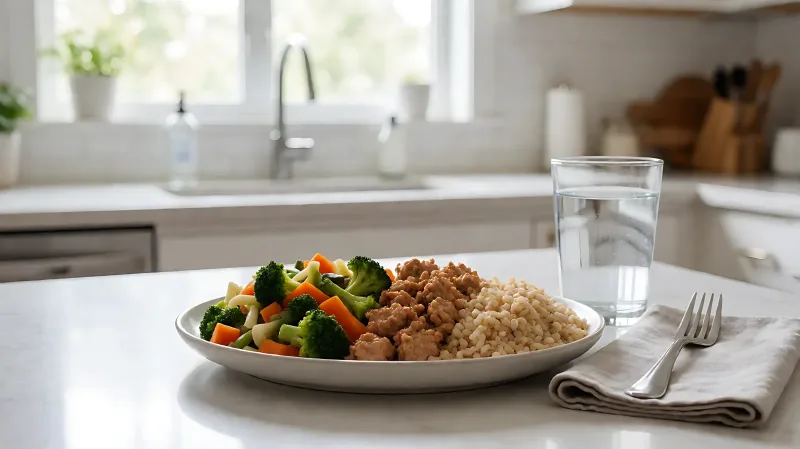
Struggling with high blood sugar after eating? Discover simple, evidence-based meal strategies for older adults to stabilize glucose levels, prevent spikes, and maintain energy throughout the day.
Post-meal blood sugar spikes are common in older adults with diabetes, but they can be managed through strategic meal planning. The CDC recommends focusing on low-glycemic carbohydrates, balancing macronutrients, and maintaining consistent meal timing to keep glucose levels stable. These dietary adjustments help improve long-term health and daily energy without drastic lifestyle changes.
For more information, see NIA healthy eating guidance from the National Institute on Aging.
Why Do Blood Sugar Spikes Happen After Meals?
When you eat carbohydrates, your body breaks them down into glucose, which enters the bloodstream. In individuals without diabetes, the pancreas releases insulin to manage this rise. However, older adults with diabetes often experience delayed insulin response or insulin resistance, leading to higher post-meal peaks. This is known as a post-prandial spike. The International Society for Paediatric and Adolescent Diabetes (ISPAD) suggests a post-meal target of 90 to 180 milligrams per deciliter (mg/dL), though individual targets vary. Consistent spikes can lead to fatigue, thirst, and long-term complications such as kidney or heart disease.
How Does Aging Affect Digestion and Glucose Levels?
Aging changes how the body processes food. Digestive enzyme activity may decrease, and gastric emptying can slow down, a condition known as gastroparesis. This alters the timing of glucose absorption. Additionally, older adults often lose muscle mass, which reduces the body's ability to clear glucose from the blood efficiently. The National Council on Aging notes that nutrient-dense diets are critical because even small changes in insulin sensitivity can significantly impact blood sugar stability.
What Should Older Adults Eat to Flatten Spikes?
Choosing the right foods can slow glucose absorption and prevent sharp rises. The Centers for Disease Control and Prevention (CDC) advises using the plate method to balance meals. A standard 9-inch plate should be filled with:
- Half nonstarchy vegetables: Spinach, broccoli, or green beans add fiber and volume without impacting blood sugar.
- One quarter lean protein: Chicken, tofu, or eggs support satiety and preserve muscle mass.
- One quarter complex carbohydrates: Whole grains like oats or quinoa digest slower than white rice or bread.
High-fiber foods are essential. Fiber slows down the movement of food through the digestive tract, preventing rapid glucose release. Aim for 21 to 30 grams of fiber per day, as recommended by the USDA. Pairing carbohydrates with fat or protein further slows absorption. For example, eating an apple with a small handful of walnuts results in a gentler glucose curve than eating the apple alone.
Which Carbohydrates Are Best for Blood Sugar Control?
Not all carbohydrates are equal. The glycemic index (GI) measures how quickly a food raises blood sugar. Low-GI foods, such as lentils, chickpeas, and whole-grain pasta, are preferable for diabetics. High-GI foods like white bread, sugary cereals, and fruit juices cause rapid spikes. The American Diabetes Association suggests that while individual responses vary, limiting refined carbohydrates and added sugars is a universal benefit. If you treat a low blood sugar episode, use fast-acting carbs like glucose tablets, but revert to low-GI foods for regular meals.
How Much Protein Do Seniors Need?
Protein does not significantly raise blood sugar, but it is crucial for older adults to prevent sarcopenia, or muscle wasting. Research indicates that older adults should consume 1.0 to 1.2 grams of protein per kilogram of body weight daily. For a person weighing 150 pounds, this equals 68 to 82 grams of protein per day. Distribute this intake evenly across meals, aiming for 20 to 30 grams per meal. Good sources include skinless fish, low-fat dairy, and legumes. Adequate protein also promotes satiety, reducing the urge to snack on high-sugar items between meals.
Does Fat Play a Role in Glucose Management?
Contrary to popular belief, older adults need healthy fats for brain and heart health. Fat slows gastric emptying, which can help blunt post-meal glucose spikes. However, excessive saturated fats can lead to insulin resistance over time. Focus on monounsaturated and polyunsaturated fats found in avocados, olive oil, and nuts. The CDC emphasizes that limiting trans fats and fried foods is vital for cardiovascular health, which is closely linked to diabetes outcomes.
When and How Often Should You Eat?
Timing your meals is just as important as what you eat. Skipping meals can lead to reactive hypoglycemia or overeating at the next meal. The National Institute of Diabetes and Digestive and Kidney Diseases (NIDDK) recommends eating at the same times each day to maintain stable insulin requirements. For those using insulin, timing the dose relative to the meal is critical. Rapid-acting insulin typically begins working in 15 minutes. Consulting with a diabetes educator is key to finding the right schedule. Some seniors benefit from three meals plus one snack, while others may need five to six smaller meals to keep glucose levels steady.
How Can You Track Post-Meal Spikes?
Monitoring is essential to see what works for your body. Continuous glucose monitors (CGMs) provide real-time data on how specific meals affect your glucose. If you use finger-prick testing, check your levels 90 to 120 minutes after starting a meal. This window captures the peak glucose response. Track these readings in a journal or app to identify patterns. If your post-meal levels consistently exceed your target range, discuss adjusting your carbohydrate portion or adding more fiber and protein with your healthcare provider.
Foods to Limit or Avoid
While no food is strictly forbidden, certain items should be minimized to prevent spikes and complications. The CDC and the American Diabetes Association identify several categories to limit:
- Refined carbohydrates: White bread, white rice, and pastries lack fiber and spike glucose quickly.
- Sugary beverages: Soda and sweetened juices provide empty calories and rapid glucose rises.
- Processed meats: Bacon and sausage are high in sodium and saturated fats, increasing heart disease risk.
- Alcohol: Alcohol can interfere with diabetes medications and cause delayed hypoglycemia. The CDC advises moderation or avoidance.
If you eat out, portions are often larger than at home. The CDC suggests asking for half your meal to be wrapped to go. This prevents overeating and allows you to manage your carbohydrate intake more accurately.
FAQ
Can older adults with type 2 diabetes eliminate carbohydrates entirely?
No. Eliminating carbohydrates is not necessary or recommended for most older adults. Carbohydrates are a primary energy source. Instead, focus on choosing high-fiber, low-glycemic carbohydrates and balancing them with protein and healthy fats to prevent spikes.
How much water should I drink to help with blood sugar?
Staying hydrated helps your kidneys flush out excess glucose through urine. The CDC does not prescribe a specific water intake for diabetes, but general guidelines suggest about 8 to 10 cups of fluids daily, adjusting for activity and climate. Unsweetened water or tea is best.
Do I need to weigh my food if I have a continuous glucose monitor?
Weighting food is helpful for new patients or those using insulin pumps for precise bolus calculations. However, if your CGM shows stable post-meal levels, you can transition to estimating portions using visual cues, like the plate method, to make meal planning more manageable.
What if I feel hungry between meals despite planning?
Cravings may indicate insufficient protein or fiber at the previous meal. Add a high-fiber snack, such as a small apple with peanut butter, or a portion of hummus with vegetables. Ensure you are not snacking on refined carbs, which can trigger another spike later.
| Nutrient | Goal for Seniors | Best Food Sources |
|---|---|---|
| Fiber | 21-30 g/day | Lentils, berries, oatmeal, broccoli |
| Protein | 1.0-1.2 g/kg body weight | Chicken, fish, tofu, Greek yogurt |
| Healthy Fats | 20-35% of calories | Avocados, nuts, olive oil, seeds |