Arthritis Diet Guide: Anti-Inflammatory Foods
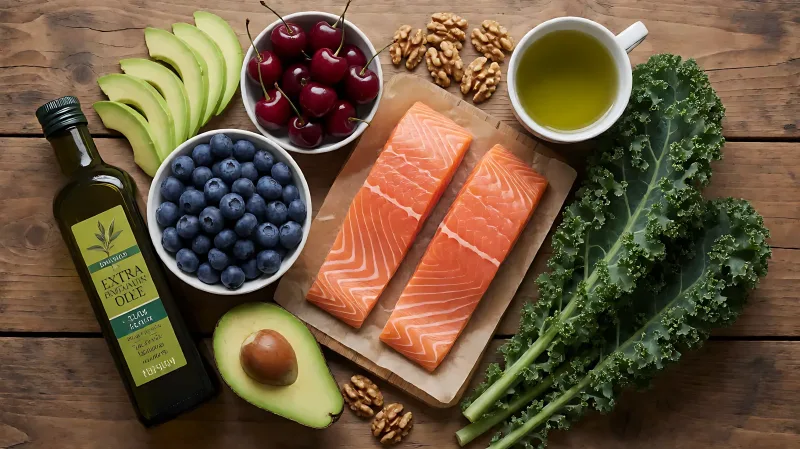
Explore how specific dietary choices can help manage arthritis. This guide details foods that reduce joint inflammation and those that should be limited to prevent symptom flare-ups.
Managing arthritis through diet focuses on reducing systemic inflammation to alleviate joint pain. Harvard Medical School notes that choosing anti-inflammatory foods like fatty fish, leafy greens, and berries can lower disease risk. Conversely, limiting refined carbohydrates, processed meats, and sugary drinks helps prevent exacerbating symptoms. While food is not a cure, consistent dietary changes support the body’s natural healing processes.
For more information, see NIH Office of Dietary Supplements calcium fact sheet from the National Institutes of Health.
Which foods reduce arthritis inflammation?
Evidence suggests that specific nutrients target the inflammatory pathways involved in joint damage. The Arthritis Foundation and other health bodies recommend prioritizing foods rich in antioxidants, omega-3 fatty acids, and fiber. These compounds help neutralize free radicals and support a healthy immune response.
What are the top anti-inflammatory foods?
You should focus on incorporating the following staples into your daily meals:
- Fatty fish: Salmon, mackerel, sardines, and tuna provide high levels of omega-3 fatty acids. Johns Hopkins Medicine highlights that these fats help reduce markers of inflammation linked to cardiovascular disease and joint issues.
- Berries and citrus: Blueberries, strawberries, cherries, and oranges are dense in vitamin C and polyphenols. Vitamin C acts as a powerful antioxidant, protecting cells from the wear and tear that triggers chronic inflammation.
- Leafy greens: Spinach, kale, and collards contain fiber and antioxidants. The American Journal of Clinical Nutrition indicates that high-fiber diets support gut health, which is increasingly linked to lower systemic inflammation.
- Healthy fats: Extra virgin olive oil and avocados contain monounsaturated fats and polyphenols. These have been associated with lower C-reactive protein (CRP) levels, a key blood marker for inflammation.
- Nuts and seeds: Almonds and walnuts provide vitamin E and magnesium. Research from the Harvard School of Public Health links nut consumption to reduced markers of inflammation and a lower risk of diabetes.
How do spices help joint pain?
Turmeric and ginger have shown promise in clinical trials. Turmeric contains curcumin, a compound that inhibits the production of inflammatory cytokines. Ginger contains gingerols, which may reduce pain and stiffness. Adding these to soups, stir-fries, or tea can offer additional relief for those with osteoarthritis or rheumatoid arthritis.
Which foods make arthritis worse?
Certain ingredients trigger inflammatory responses in the body. Dr. Frank Hu, a professor of nutrition at the Harvard School of Public Health, explains that some food components have independent effects on inflammation over and above increased caloric intake. Identifying these triggers is crucial for managing flares.
What should you limit or avoid?
The following food groups are commonly associated with increased inflammatory markers:
- Refined carbohydrates: White bread, pastries, and white pasta spike blood sugar and insulin, which can promote inflammation. The CDC notes that high sugar intake is linked to chronic disease risks.
- Processed and red meats: Bacon, hot dogs, sausages, and beef contain high levels of saturated fats and advanced glycation end products (AGEs). Johns Hopkins Medicine advises that these items are linked to chronic diseases and excess inflammation.
- Sugar-sweetened beverages: Sodas and energy drinks provide high doses of added sugar with no nutritional benefit. Sugar intake has been shown to elevate inflammatory markers like IL-6.
- Trans fats: Found in some margarines, fried snacks, and nondairy coffee creamers, trans fats are the most inflammatory fat. The FDA has restricted their use in food production due to significant health risks.
- Fried foods: Deep-frying at high temperatures creates harmful compounds. Cooking methods matter; baking or steaming is preferable to grilling red meat, which can create cancer-associated compounds.
How does cooking method affect inflammation?
How you prepare food is just as important as what you eat. Grilling red meat can lead to the formation of heterocyclic amines and polycyclic aromatic hydrocarbons, which are inflammatory. Conversely, microwaving or steaming preserves nutrients and reduces the formation of harmful compounds. For arthritis patients, gentle cooking methods for vegetables and fish can maximize their anti-inflammatory benefits.
Are there specific diets for arthritis?
The Mediterranean diet is often recommended for those with chronic inflammatory conditions. It emphasizes fruits, vegetables, nuts, whole grains, fish, and healthy oils. Studies published in journals indexed by the National Institutes of Health (NIH) suggest this diet pattern lowers overall inflammation and improves quality of life. It provides a structured approach to eating for joint health without strict elimination of major food groups.
What role do gut bacteria play?
Emerging research links the gut microbiome to systemic inflammation. Beneficial bacteria help regulate the immune system. Consuming probiotic foods like yogurt, kefir, and kimchi, along with prebiotics like fiber-rich vegetables and onions, can support a healthy gut. Johns Hopkins Medicine notes that a balanced gut flora can help keep inflammation at bay. Patients with arthritis may benefit from monitoring how fermented foods affect their symptoms.
Frequently Asked Questions
Can diet cure arthritis?
No. Diet is a supportive tool, not a cure. It can help manage symptoms, reduce pain, and slow disease progression. Always consult with a rheumatologist for comprehensive treatment plans.
How quickly will I see results?
Individuals often report reduced stiffness and pain within 4 to 8 weeks of consistent dietary changes. However, sustained improvement requires long-term adherence to an anti-inflammatory eating pattern.
Is gluten bad for all arthritis patients?
Not necessarily. Some people have sensitivity to gluten that worsens inflammation. If you suspect a link, try eliminating gluten for 30 days under medical supervision to see if symptoms improve.
Do supplements replace food?
Whole foods are generally preferred. While omega-3 supplements can help, they do not provide the same fiber, vitamins, and antioxidants found in whole fish and plants. Discuss supplements with your doctor to avoid interactions.