Ergonomic Footwear Guide: Health, Market Trends, and Innovations
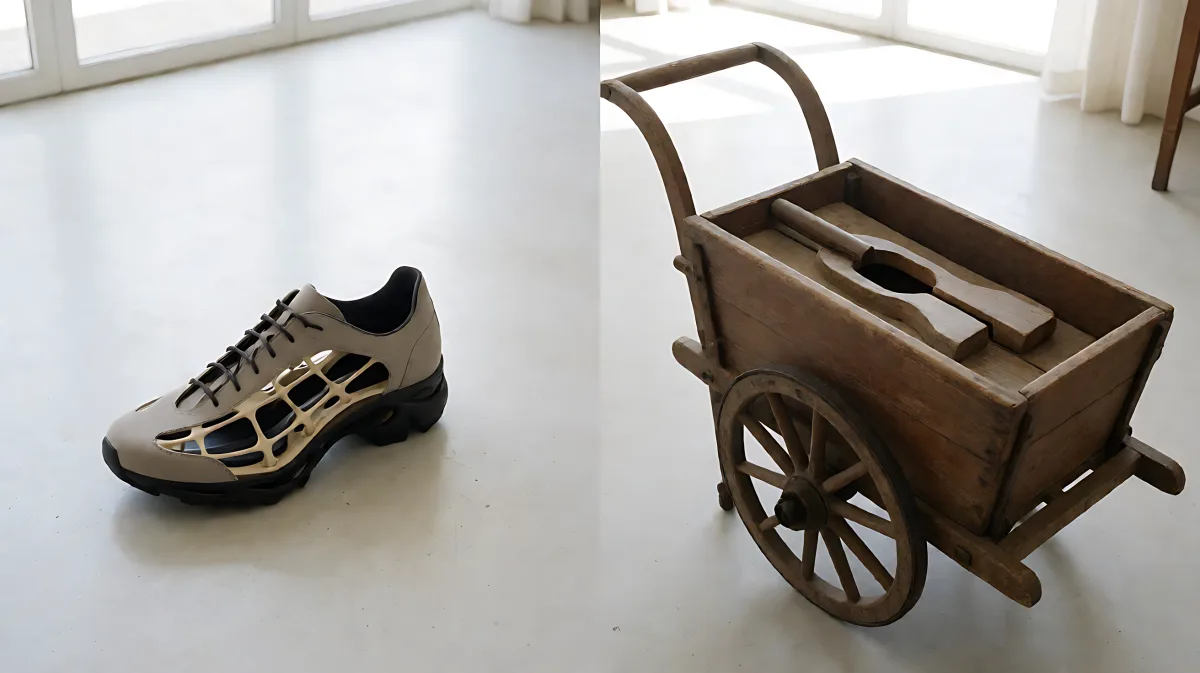
From street-side foam casting to AI-driven customization, ergonomic footwear is evolving to meet growing health needs. Learn how proper shoe design prevents injury and supports mobility in 2026.
Ergonomic footwear in 2026 is no longer just about comfort; it is a critical medical and safety tool. The global market for orthopedic and ergonomic shoes is valued at $6.4 billion, with a strong projection to reach $9.9 billion by 2033. This growth is driven by the rising prevalence of diabetes and musculoskeletal disorders, affecting over 1.71 billion people worldwide according to the World Health Organization. Modern designs now integrate digital scanning and custom casting technologies to create footwear that precisely fits individual biomechanics, significantly reducing the risk of chronic pain and falls.
Why Specific Fit Matters for Long-Term Foot Health
Many people assume that buying a standard shoe size is sufficient, but ergonomic science suggests otherwise. Physical ergonomics studies how the body interacts with tools and environments, including footwear. When shoes do not align with an individual's arch structure, gait pattern, or weight distribution, they can cause micro-traumas that lead to plantar fasciitis, arthritis, and balance disorders. This is particularly urgent for older adults. Data from the United Nations Department of Economic and Social Affairs indicates that the global population aged 65 and over will double by 2050. As this demographic grows, the demand for supportive, stability-focused footwear increases to prevent falls, which remain a leading cause of injury in seniors. Properly fitted ergonomic shoes act as a buffer, absorbing impact and aligning the foot to reduce strain on the knees and hips.
How Modern Technology Is Reshaping Custom Footwear
The era of mass-produced, one-size-fits-all shoes is giving way to mass customization. Innovations in manufacturing have made bespoke fitting more accessible than ever. One striking example is the 'one-man shoe factory' concept developed by designer Tidhar Zagagi, which uses polyurethane foam casting to create shoes in minutes. This method allows the material to mold directly to the wearer's foot and sock, creating a personalized fit without expensive 3D printers or long lead times. In 2026, similar technologies are being scaled up by major brands. Digital foot scanning and AI-driven analysis are now standard in specialty stores and online platforms. These systems measure length, width, and arch height to recommend specific insoles or shoe models. For diabetic patients, who make up approximately 35% of the orthopedic shoe revenue in 2026, this precision is vital. It helps prevent foot ulcers and neuropathy complications by eliminating pressure points that standard footwear might miss.
What Features Should You Look for in Quality Ergonomic Shoes
When selecting footwear for work or daily wear, focus on three key ergonomic pillars: support, material durability, and fit precision.
- Arch and Lumbar Support: Look for shoes with contoured footbeds that mimic the natural shape of the foot. This reduces fatigue during long shifts. For workers in construction or healthcare, high-top designs with firm heel counters provide the stability needed to prevent sprains.
- Corrosion and Wear Resistance: In industrial settings, footwear often needs to withstand harsh conditions. Quality ergonomic work shoes now feature reinforced alloy components in safety toes and wear-tested rubber outsoles. These materials are designed to resist corrosion from chemicals and moisture, ensuring the shoe maintains its structural integrity.
- Non-Slip Grip Patterns: Slip resistance is a critical safety feature. Modern treads are engineered to provide traction on various surfaces, from wet hospital floors to construction sites. The International Labour Organization emphasizes that adequate footwear is a primary line of defense against workplace accidents.
How Workplace Environments Influence Footwear Choices
Ergonomics extends beyond the shoe to the environment where it is worn. In office settings, standing desks and hard flooring place significant stress on the lower body. Wearing supportive slippers or shoes with shock-absorbing soles can mitigate this risk. In home environments, especially for seniors, the interaction between footwear and flooring is crucial. Cluttered houses and uneven steps are common fall hazards. The National Council on Aging reports that one in four Americans over the age of 65 suffers a fall each year. Using non-slip, stable footwear indoors can dramatically reduce this risk. For those in manual labor, the choice of shoe must align with specific job tasks. For instance, plumbers and electricians require boots with specific sole thicknesses to manage voltage and impact. Always verify that the tool or footwear specification matches the job's hazard profile.
What Does the 2026 Market Data Reveal About Demand
The shift in consumer behavior is clearly visible in recent market reports. While specialty footwear stores hold the majority of the distribution channel with a 39% share in 2026, online sales are the fastest-growing segment. This is largely due to the rise of AI-enabled direct-to-consumer platforms that offer virtual try-ons and custom fitting services. North America remains the dominant region, accounting for 37% of the market value in 2026. However, the Asia Pacific region is projected to see the highest growth rate at 7.9% annually through 2033, driven by rapid urbanization and increased healthcare spending. Regulatory changes are also playing a role. In many jurisdictions, orthopedic footwear is now recognized as a medical-grade device. This status allows for insurance reimbursement, making therapeutic shoes more accessible to patients with chronic conditions. Manufacturers are responding by investing in digital channel investments and AI-based customization to meet this demand.
FAQ
Are custom-cast shoes a viable alternative to standard orthotics?
Yes, custom-cast shoes offer a dynamic fit that adjusts to the foot's shape in real-time. While they may not provide the rigid correction of a medical orthotic insert, they are excellent for general comfort and pressure distribution. For severe medical conditions, it is best to use custom shoes in conjunction with prescribed orthotic insoles.
What is the best type of sole for preventing falls in seniors?
Look for non-slip, low-profile soles with deep treads for outdoor use and smooth, grippy soles for indoor use. The sole should be flexible enough to allow natural foot movement but firm enough to provide stability. Avoid heavy, stiff-soled boots for indoor walking, as they can cause instability on smooth surfaces.
How often should I replace my ergonomic work shoes?
Generally, ergonomic work shoes should be replaced every 12 to 18 months, or sooner if the cushioning compresses or the outsole wears down. The materials degrade over time, losing their ability to absorb shock and provide support. Regular inspections of the tread and upper structure can help determine when it is time for a replacement.