Emergency Shut-Off Valves: Home and Industrial Guide
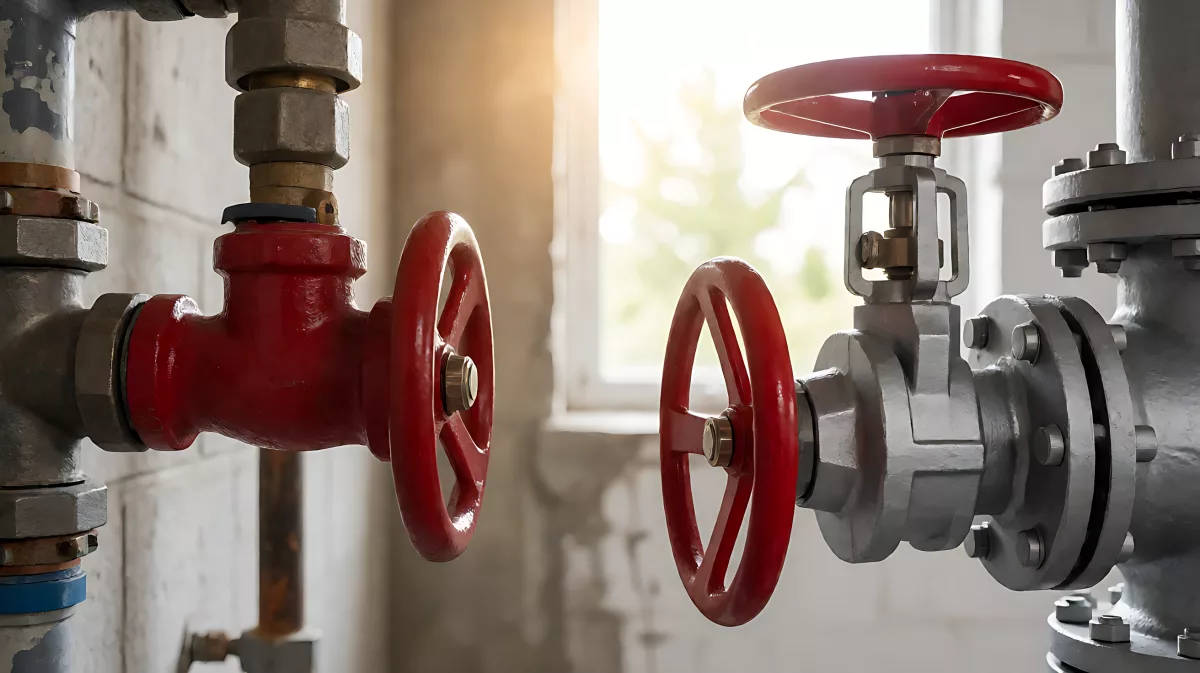
From preventing home floods to industrial safety compliance, emergency shut-off valves are critical. Discover where to find yours, how to operate it, and the differences between residential and industrial systems.
Emergency shut-off valves are critical safety devices that stop water flow instantly during leaks, bursts, or industrial accidents. At home, locating and operating this master valve prevents catastrophic flooding, while in industrial settings, actuated valves protect workers and equipment from hazardous fluids.
Where Is Your Home's Main Water Valve?
In residential settings, the emergency shut-off valve, often called the master valve, is typically found in the basement, garage, crawl space, or under the house. It may also be located outside near the foundation. Many older homes, apartments, and manufactured properties do not have this valve, which means you must contact your local water provider to shut off the supply at the street level. According to the Regional Water Providers Consortium, keeping this valve accessible year-round is essential for quick response during severe weather events.
How Do You Shut Off Water During a Pipe Burst?
If a pipe breaks, immediately locate the valve. For a gate valve, which resembles an outdoor spigot, turn the wheel clockwise until it is snug. This may require several rotations. For a ball valve, turn the handle until it is perpendicular to the pipe, usually a quarter-turn. After shutting the main supply, turn on all faucets and flush toilets to drain remaining water and reduce pressure on the broken section. Always document damage with photos before cleaning up, as this is required for insurance claims.
What Should You Do If the Valve Is Stuck?
If the valve will not turn, do not force it, as this can break the pipe further. Contact a licensed plumber immediately. Additionally, call your water utility to isolate the supply at the street if internal access fails.
How Do Industrial Emergency Shutdown Valves Work?
In industry, the term "emergency shutdown valve" (ESDV) refers to highly specialized components within a safety instrumented system. These valves are designed to stop the flow of hazardous fluids automatically upon detecting dangerous events. Unlike simple home valves, these systems are mandated by law in many sectors, such as the petroleum industry, to prevent catastrophic failures.
What Are the Differences Between Home and Industrial Valves?
While both serve safety functions, their complexity differs. Industrial valves, often certified to SIL 3 standards by organizations like IEC, use advanced actuators such as pneumatic or hydraulic cylinders. These systems fail-safe, meaning they close automatically if power or pressure fails. Companies like Valmet provide these intelligent systems with diagnostic tools that predict valve failures before they impact process safety.
What Are the Common Types of Water Shut-Off Valves?
Understanding the specific valve type is crucial for maintenance. The most common residential types include ball valves, gate valves, and globe valves. Ball valves offer a full-bore flow and quick 90-degree closure, making them the preferred choice for main residential lines. Gate valves provide low-flow resistance but can corrode if not operated regularly. Globe valves are used for precise flow regulation in commercial systems.
- Ball Valve: Best for main lines; quarter-turn operation.
- Gate Valve: Common in older homes; multi-turn operation.
- Angle Stop Valve: Found under sinks; controls individual fixtures.
- Solenoid Valve: Automated; used in smart home leak detection systems.
How Do Smart Home Systems Use Shut-Off Valves?
Modern smart homes often integrate solenoid shut-off valves that respond to water leak detectors. These systems automatically close the main water supply when abnormal flow rates are detected, such as during a burst pipe. This technology offers an automatic safety net, preventing damage even when homeowners are not present.
How Often Should You Test Your Valves?
It is recommended to test your home's main valve once a year to ensure it moves freely. For gate valves, regular operation prevents seizing. In industrial environments, partial stroke testing is used to verify that ESD valves can close fully without stopping the entire production process.
Who Is Responsible for Repairing Broken Pipes?
If the burst pipe is inside your property line, you are responsible for repair costs. You should contact a plumber and your home insurance provider. If the break is in the street or involves a fire hydrant, your water utility is responsible. As noted by the Regional Water Providers Consortium, clarifying this responsibility early is vital for managing repair costs and liability.
FAQ
What is the difference between a ball valve and a gate valve?
A ball valve closes with a quarter-turn of the handle and is more durable for frequent use. A gate valve requires multiple turns of a wheel and is prone to seizing if not used regularly.
Where is the water shut-off valve in a house without a basement?
In homes with slab foundations, the valve is often located in the crawl space, near the water meter on the exterior wall, or inside the garage near where the water pipe enters the house.
Can I use an industrial ESD valve in my home?
No. Industrial ESD valves are designed for high-pressure hazardous fluids and require specialized control systems. They are not compatible with standard residential water pressure or plumbing codes.
What should I do if I cannot find my main water valve?
If you cannot locate it, contact your local water provider to turn off the supply at the street meter. You should also hire a plumber to install a new access point or replacement valve for future emergencies.