Eating Alone Risks for Older Adults: Nutrition & Health
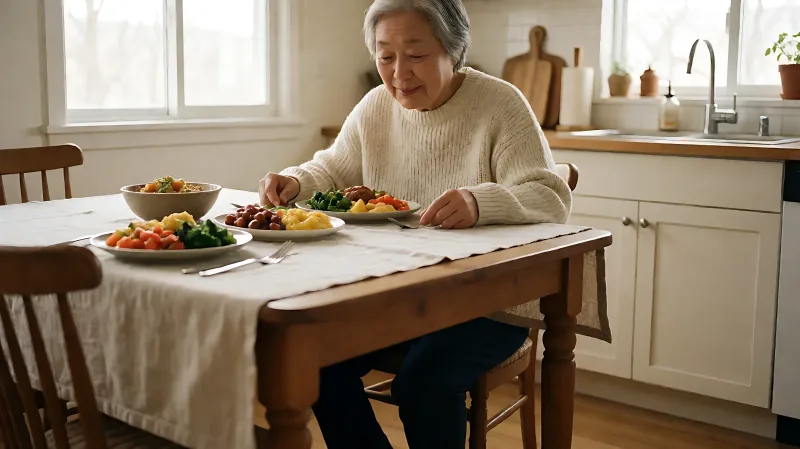
Research shows solitary eating can reduce diet quality and increase frailty in seniors. Explore how mealtime companionship supports better nutrition and mental well-being for older adults living independently.
Eating alone is linked to poorer diet quality, reduced food intake, and increased frailty in older adults. Research involving over 80,000 participants confirms that mealtime companionship significantly improves nutritional outcomes and overall well-being.
For more information, see NIH Office of Dietary Supplements from the National Institutes of Health.
For many seniors, the transition to living independently or losing a spouse changes the routine of eating. It is not just about calorie count; it is about the social structure that encourages regular meals. When that structure vanishes, nutritional gaps often appear quietly before physical decline becomes visible.
How Solitary Eating Impacts Senior Nutrition
Flinders University researchers published a major review in the journal Appetite analyzing data from adults aged 65 years and older across 12 countries. The study found a clear pattern: those who frequently ate alone had lower overall diet quality. They consumed fewer fruits, vegetables, and protein-rich foods, which are essential for maintaining muscle mass and physical function.
Protein is critical for preventing sarcopenia, the age-related loss of muscle. Without adequate protein intake, older adults face increased risks of falls and loss of independence. The review indicated that solitary eating was associated with unintentional weight loss and elevated frailty scores. While some studies showed no change, the majority highlighted that the lack of social stimulation during meals leads to smaller portion sizes and less frequent eating.
Why Appetite Declines When Eating Alone
Food is both fuel and social ritual. When meals are eaten in silence, they often become mechanical tasks rather than enjoyable experiences. A study in Social Science and Medicine noted that older adults eating alone reported higher levels of loneliness and depressive symptoms. This emotional state directly suppresses appetite.
Physiological changes also play a role. Aging affects taste and smell, and many seniors experience slower digestion. Without the external cue of others preparing and consuming food, the internal drive to eat can fade. A senior might skip lunch because cooking feels like too much effort, replacing a balanced meal with tea and biscuits. Over time, this creates a cycle where reduced activity leads to lower energy, which further decreases hunger.
The Connection Between Loneliness and Health
Social isolation is a known risk factor for cardiovascular disease and cognitive decline. The National Center on Biomedical and Population Health at NIH has highlighted that social disengagement can increase mortality risk by up to 50 percent in some cohorts. When mealtimes are isolated, the opportunity for social connection is lost. This lack of interaction can accelerate the decline in physical function, making simple tasks like grocery shopping or bathing feel overwhelming.
Medication adherence is another hidden risk. Many drugs require food to prevent stomach irritation or ensure proper absorption. If meals are skipped or eaten too quickly, blood sugar levels can fluctuate, leading to dizziness or nausea. Families often manage pillboxes but overlook whether the medication is being taken with adequate nutrition.
Practical Strategies for Mealtime Success
Supporting an older adult who eats alone does not require living with them, but it does require intentional structure. Here are actionable steps to improve nutritional intake and mental well-being.
- Establish Fixed Meal Times: Routine triggers appetite. Encourage seniors to eat at consistent times, such as 8:00 a.m. for breakfast and 6:00 p.m. for dinner, even if they do not feel hungry immediately.
- Incorporate Protein at Every Meal: Include eggs, Greek yogurt, lean meats, or plant-based proteins like lentils and tofu. Aiming for 1.0 to 1.2 grams of protein per kilogram of body weight daily can help maintain muscle mass.
- Use Technology for Connection: A video call during dinner can simulate the social aspect of eating. Seeing another person eat can stimulate appetite and reduce the feeling of isolation.
- Simplify Food Preparation: Pre-chop vegetables and batch-cook meals on weekends. Reduce the effort required to eat a nutritious diet by keeping high-quality, ready-to-eat foods accessible.
When to Seek Professional Help
If an older adult experiences unintentional weight loss of more than five percent of their body weight over three to six months, it is a signal to consult a healthcare provider. The Consumer Product Safety Commission and health organizations like the CDC emphasize that fall prevention and nutritional status are linked. A registered dietitian can assess specific deficiencies and create a tailored plan that accounts for dental issues or medication interactions.
FAQ
Is it healthy for older adults to eat alone?
Eating alone occasionally is not harmful, but regular solitary eating is linked to lower diet quality and increased frailty. Flinders University research suggests that mealtime companionship acts as a protective factor for nutrition and mental health in seniors.
How can I help a parent who lives alone and isn't eating well?
Establish a routine for mealtimes and offer to join via video call. Ensure the refrigerator contains easy-to-prep, nutrient-dense foods. Monitor for weight loss and consult a primary care physician if intake remains low for more than two weeks.
What foods should seniors prioritize to prevent muscle loss?
Focus on high-quality protein sources such as fish, poultry, eggs, and dairy. Pair these with healthy carbohydrates and vegetables to support overall energy levels and recovery.
Does social isolation affect medication adherence?
Yes. Loneliness can lead to a lack of routine, which causes seniors to skip doses or take medications without food. A structured daily plan that includes medication times alongside mealtimes improves adherence and safety.