How To Downsize And Organize For Seniors
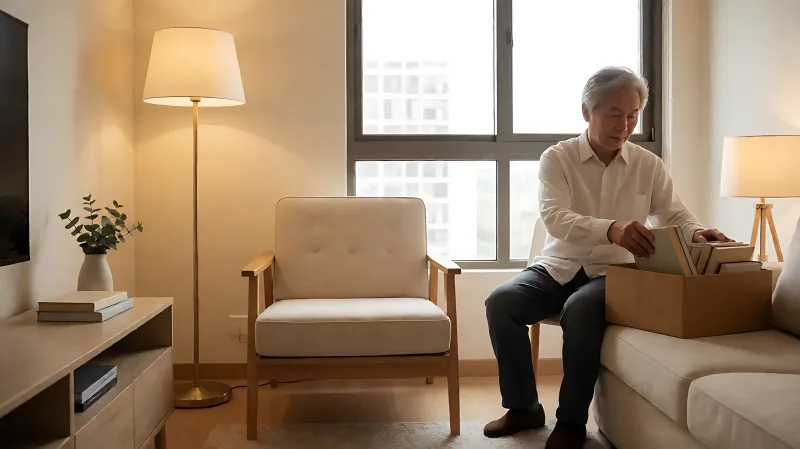
Downsizing a home is more than just packing boxes; it is a process of curating a safer, simpler life. This guide offers structured strategies for older adults to organize spaces, handle sentimental items, and prepare for a smaller living environment without feeling overwhelmed.
Downsizing for seniors is about curating a life that fits current needs. To simplify your home, start by sorting items into keep, donate, and discard piles in short sessions. This approach reduces physical strain and emotional stress, creating a safer, more manageable space for aging in place.
For more information, see NIA healthy aging resources from the National Institute on Aging.
Why should older adults consider downsizing?
Aging in place often becomes difficult when a home no longer supports daily routines. The Centers for Disease Control and Prevention (CDC) notes that falls are a leading cause of injury among adults 65 and older. Clutter in hallways and on stairs increases this risk significantly. Additionally, maintaining a large home can lead to high utility bills and physically demanding yard work. Downsizing allows individuals to live in a smaller footprint that is easier to clean and safer to navigate. It also frees up financial resources for healthcare, travel, or family support.
How do you know when it is time to downsize?
Several signs indicate that a current living arrangement is no longer suitable. If you find yourself avoiding rooms because they are cluttered, or if you are struggling to keep up with basic household tasks, it may be time to act. Financial stress from maintenance costs is another common trigger. Many seniors also downsize after a life change, such as a spouse’s passing, retiring from work, or moving closer to family. Recognizing these moments early allows for a planned transition rather than a rushed one.
How can you begin organizing a home safely?
Starting the decluttering process can feel overwhelming. The key is to break the project into manageable chunks. Experts recommend working in 20-minute blocks to prevent fatigue and decision fatigue. Begin with low-stakes areas like the kitchen or garage before moving to bedrooms. Use a simple sorting system with labeled boxes or bins. Categories such as "Keep," "Donate," "Gift," and "Discard" provide clear direction. It is also helpful to create a basic floor plan of your new, smaller space. This visual aid helps you decide what furniture will actually fit, preventing the purchase of items that will become new clutter.
What safety measures should you take while decluttering?
Safety is the priority when organizing a home. The Consumer Product Safety Commission (CPSC) advises removing tripping hazards first. Clear walkways completely before sorting through boxes. Avoid lifting heavy items alone; use a cart for large boxes and recruit family help for awkward items. Wear supportive footwear with non-slip soles. If mobility is limited, use reach extenders to access high shelves instead of ladders. These precautions reduce the risk of injury and make the process less physically demanding.
How do you declutter room by room?
A systematic approach ensures no area is left behind. Start with high-traffic zones like the living room and kitchen. In the kitchen, remove duplicate cookware and discard expired pantry items. In the bedroom, focus on comfortable, everyday clothing and discard items that no longer fit or are worn out. For the bathroom, check expiration dates on medications and toiletes. In storage areas like the garage or attic, sort through seasonal items and tools that have not been used in years. Working one room at a time provides visible progress and momentum.
How should you handle sentimental items?
Emotional attachments are the hardest part of downsizing. Set a limit on the number of keepsakes to keep the process sustainable. Digitize photos, letters, and documents to preserve memories without storing physical copies. Create a single "memory box" for the most meaningful items. Consider gifting heirlooms to family members who will value them. This redistribution honors the past while making space for the present. Remember that the object holds the memory, not the memory itself. Releasing an item does not mean losing the memory attached to it.
What resources can support the downsizing process?
Many seniors find that professional help makes the process smoother. Professional organizers who specialize in senior downsizing can provide objective guidance and emotional support. They can also help set up efficient storage systems in the new home. Local libraries often offer free books and videos on decluttering techniques. Senior centers may host workshops on organizing and preparing for a move. Online communities also provide peer support and tips. Having a trusted support network reduces the isolation that often accompanies major life changes.
How do you prepare for the move to a smaller space?
Once decluttering is complete, focus on the logistics of the move. Book movers who specialize in senior transitions, as they understand the need for gentle handling. Coordinate with family to distribute items. Ensure that essential items are packed in easily accessible boxes. Label boxes clearly with their contents and the room they belong in. This labeling system speeds up unpacking and helps you find items quickly in the new home. Take a digital tour of the new space to plan furniture placement. Preparation reduces the stress of moving day and helps you settle in faster.
Frequently Asked Questions
How long does it take to downsize a home?
It depends on the size of the home and the amount of clutter. A standard three-bedroom house may take three to six months of part-time work. Starting early allows for a relaxed pace. Rushing can lead to poor decisions and increased physical strain. Schedule short sessions that fit into your daily routine.
Is it too late to start downsizing at age 80?
It is never too late to simplify your life. Many seniors wait until a health event forces a move. However, planning ahead is always easier. Focus on safety and comfort. Even if you are not moving, clearing clutter in your current home can improve your quality of life and reduce fall risks.
What to do with unused bulky furniture?
Check local buy-nothing groups or online marketplaces to give it away for free. Some municipalities offer bulk waste pickup for a small fee. Donating to charities that accept large items is another option. Clearing out large pieces early makes the move much more manageable.
How to manage anxiety while sorting possessions?
Take breaks when you feel overwhelmed. Listen to music or podcasts to make the process less sterile. Remember that you do not have to keep everything. Focus on items that bring you joy or have practical use. Let go of guilt and recognize that simplification is a form of self-care.