Managing Medical Alerts and Smart Pillboxes: A Practical Guide
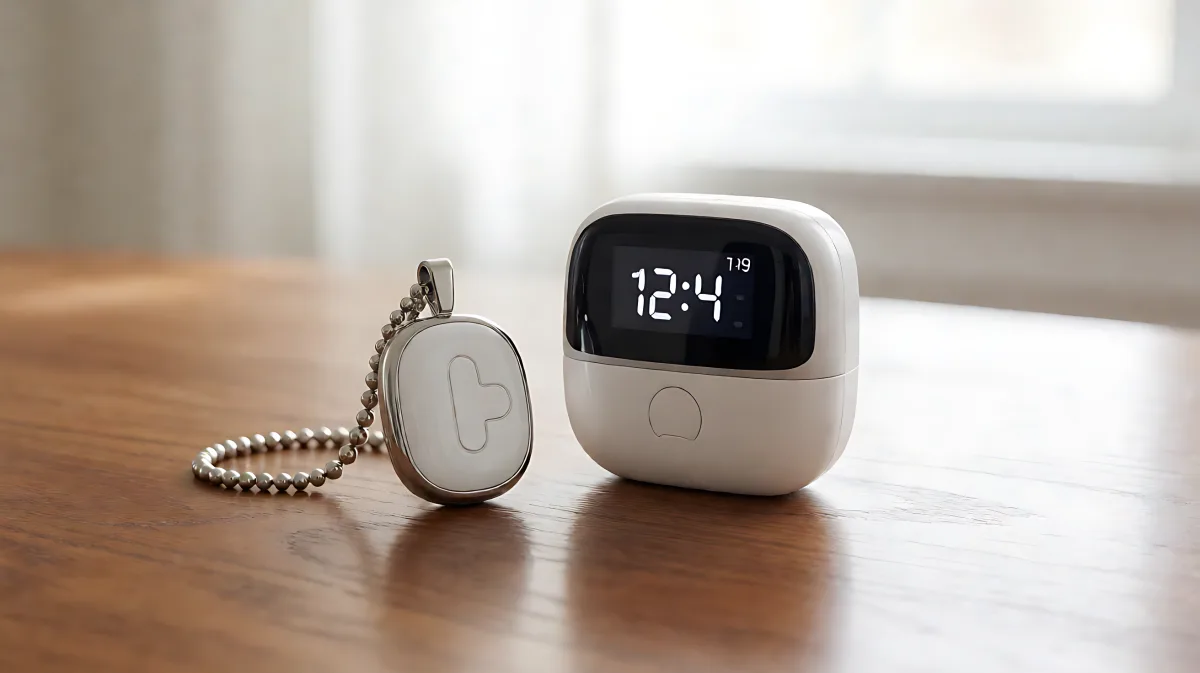
Coordinating medical alert systems with smart medication management tools can significantly improve safety outcomes. This guide outlines how to set up, monitor, and maintain these technologies for independent living.
Managing medical alert devices and smart pillboxes involves pairing emergency response hardware with digital medication tracking to ensure safety and adherence. By integrating these tools, caregivers and patients can automate dose reminders while maintaining instant access to emergency help. This combination reduces the risk of missed medications and unattended falls, creating a comprehensive safety net for independent living.
Why Integrate Medical Alerts with Medication Management?
Medication nonadherence remains a critical public health issue. The World Health Organization estimates that nearly half of patients with chronic illnesses do not take their medications as prescribed, leading to preventable complications. Meanwhile, falls are the leading cause of injury for adults over 65. When a fall occurs, the inability to call for help—often due to loss of consciousness or physical inability to reach a phone—can result in prolonged time on the ground, which exacerbates health risks. Integrating a medical alert device with a smart pill system allows for a dual-layer protection strategy: the pillbox tracks daily routine compliance, while the alert device handles acute emergencies. This synergy is particularly effective for individuals living alone or those with cognitive challenges.
What Features Should You Look for in Smart Pillboxes?
Modern smart pillboxes have evolved beyond simple containers with alarms. They now utilize Internet of Things (IoT) technology to provide real-time data. When selecting or managing these devices, focus on three core capabilities: automated dose logging, adaptive reminders, and caregiver connectivity. Sensor-equipped lids can verify if a pill is actually removed, not just if the container was opened. This precision prevents false positives in adherence reports. Additionally, adaptive algorithms adjust reminder times based on user behavior. For instance, if a patient consistently misses weekend doses, the system may escalate notifications to a designated caregiver. Pairing these devices with a compatible app ensures that data is synced securely to a cloud platform, allowing healthcare providers to review trends and intervene proactively.
How Do Medical Alert Systems Work in This Ecosystem?
Medical alert devices, often referred to as personal emergency response systems by the U.S. Centers for Medicare & Medicaid Services, are designed to summon help instantly. While they operate independently of pillboxes, their effectiveness is enhanced when managed alongside other health technologies. Most modern systems include automatic fall detection, which uses accelerometers to distinguish a genuine fall from everyday movements like sitting down quickly. This feature is crucial because many older adults who fall are unable to press a manual help button. By keeping the medical alert wearable on at all times, users ensure that the gap between a fall and receiving help is minimized. The device relays the incident to a 24/7 monitoring center, where trained operators assess the situation and dispatch emergency services or contacts as needed.
What Steps Are Needed to Set Up a Coordinated System?
Setting up a coordinated system requires more than just buying two separate gadgets; it involves linking them within a care plan. Start by mapping the user’s daily routine to identify optimal times for medication and safety checks. Ensure the smart pillbox is configured with the correct dosing schedule and that the app notifications are personalized for the user’s technology comfort level. Next, register the medical alert device with the monitoring service, inputting all emergency contacts. It is vital to test both systems together. For example, verify that the pillbox alert does not conflict with the medical alert siren if both trigger simultaneously. Many smart watch-style medical alert devices now integrate health metrics, such as heart rate, which can be shared via the same app used for medication tracking, creating a unified dashboard for the user and their caregivers.
How Can Caregivers Improve Communication and Adherence?
Technology only works if people use it. Caregivers must approach the setup process with empathy, focusing on the benefits of independence rather than limitations. Involve the user in choosing the device, whether it is a discrete pendant or a smartwatch, to increase acceptance. Regular check-ins are essential; review the adherence data from the pillbox monthly to spot trends. If the data shows consistent missed doses, use that objective evidence to have a constructive conversation about the importance of the regimen. For medical alerts, perform a monthly functional test to ensure the battery is charged and the signal is strong. According to research from the National Council on Aging, older adults who use these systems often report feeling more confident in their ability to live alone, which supports the goal of aging in place. Keeping the communication loop open ensures that both the technology and the human element of care remain aligned.
Frequently Asked Questions
Do medical alert devices and pillboxes need to be from the same brand?
No, they do not need to be from the same brand. Most systems operate on standard Bluetooth or cellular networks and connect to generic smartphone apps. However, choosing devices from the same manufacturer or a compatible ecosystem can simplify setup. Many users pair a dedicated medical alert wearable with a third-party smart pillbox, managing both through separate apps or a unified care platform.
How often should I check the battery levels on these devices?
It is recommended to check battery levels weekly for medical alert wearables, especially those using replaceable coin-cell batteries. For smart pillboxes with rechargeable lithium-ion batteries, most apps provide low-battery alerts. Set a monthly reminder to charge these devices to ensure they are always ready. For cellular-based medical alerts, the monitoring company typically handles connectivity, but you should still verify the physical device is powered on and charged.
Can these systems help with medication side effects?
Indirectly, yes. Smart pillboxes track adherence, and many medical alert systems now monitor vital signs like heart rate. While they do not diagnose side effects, the data can help a healthcare provider correlate a missed dose or a sudden spike in heart rate with a reaction to a new medication. This data supports better medical decisions by removing guesswork from the treatment process.