Hospital Bag Checklist for Stroke and DVT Patients
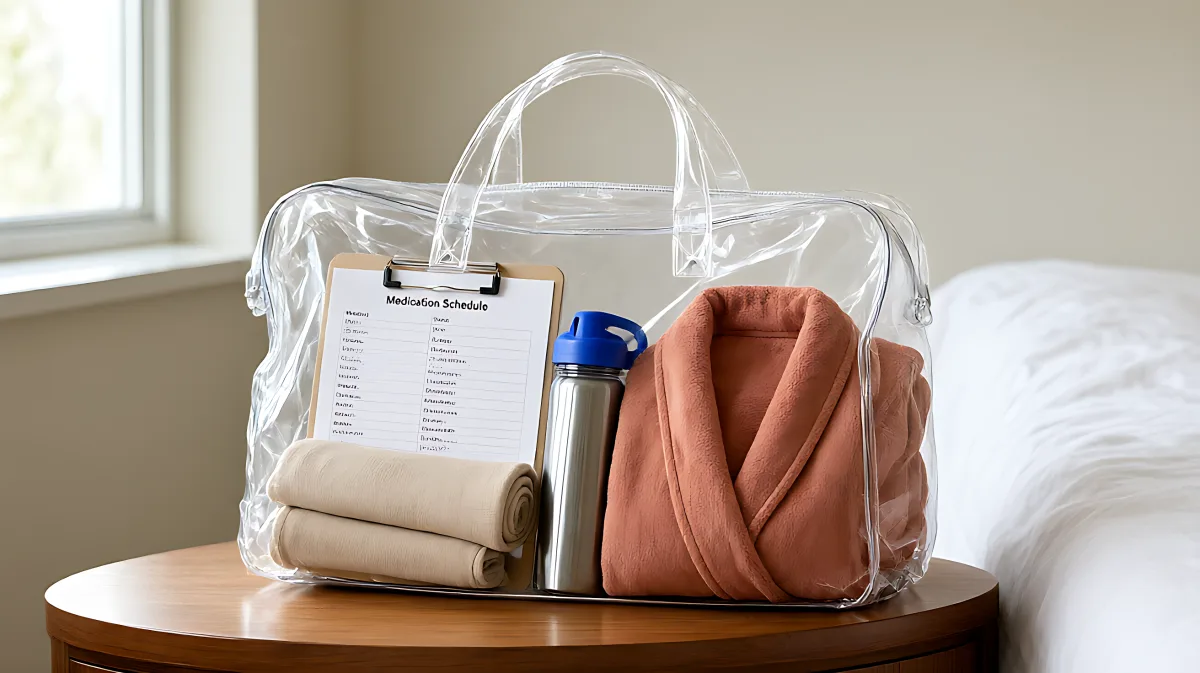
Navigating a hospital admission for stroke or deep vein thrombosis (DVT) is stressful. This comprehensive guide helps you pack the right essentials, from specific compression wear to critical medication records, ensuring a smoother stay.
When a family member is admitted for a stroke or deep vein thrombosis (DVT), the rush of events can make it easy to forget essential items. Packing a specific hospital bag for these conditions requires more than basic toiletries; it includes targeted medical accessories like compression stockings and a detailed medication log. This preparation helps your loved one feel comfortable and ensures healthcare teams have immediate access to critical health data during their admission.
What specific items should you pack for a stroke admission?
Stroke care involves rapid assessment and potential rehabilitation, so your bag should support mobility, communication, and medication management. Many families assume that hospitals provide all necessary personal items, but in fact, specific medical aids and comfort items for neuro-rehab are rarely stocked in bulk for individual patients. According to guidelines from major healthcare organizations, bringing your own adaptive devices can significantly improve patient independence during recovery. Focus on items that assist with daily living and communication, such as a large-print notebook for tracking symptoms and questions, and any required hearing aids or eyeglasses that the patient uses daily. Ensure you bring a current list of all medications, including doses and timings, as stroke patients often undergo significant medication changes, including anticoagulants. Including advance directives and power of attorney forms in a waterproof sleeve allows hospital staff to honor your patient's wishes quickly. For comfort, pack loose, non-restrictive clothing that allows for easy medical access, along with non-slip socks to prevent falls, which are a common risk during the early stages of recovery.
How do you prepare a bag for DVT and blood clot treatment?
Deep vein thrombosis (DVT) treatment focuses on preventing clot propagation and reducing swelling, which makes specific clothing choices critical. The most important item to include is a pair of graduated compression stockings, if prescribed by the treating physician. These medical-grade socks, typically measured in millimeters of mercury (mmHg), help improve venous return and reduce the risk of post-thrombotic syndrome. Bring a soft, non-binding garment for the affected leg to protect the skin while the compression is applied. Additionally, pack a comfortable, supportive pillow to elevate the leg during rest periods, as this alleviates pain and swelling. Since DVT patients are often at risk for pulmonary embolism, which can cause sudden shortness of breath, include a small bag of dry cough drops and a water bottle, as hydration is key to maintaining blood fluidity. Keep a copy of the patient's imaging results, such as ultrasound or CT scans, in a clear document folder. This allows the care team to compare current findings with historical data, ensuring they can track the clot's status accurately over the course of the stay.
What documents are essential for both stroke and DVT stays?
Medical documentation is the backbone of a smooth admission. You should carry a comprehensive "medical passport" that includes all necessary legal and informational records. This should be organized in a dedicated binder or waterproof folder that can be handed to the primary nurse immediately upon arrival.
- Medication Reconciliation List: A detailed list of all current prescriptions, over-the-counter drugs, and supplements, including dosages and specific times taken. For DVT patients, note the specific anticoagulant type and whether it is warfarin, heparin, or a direct oral anticoagulant.
- Allergy and Reaction History: Clearly marked allergies to medications, contrast dyes, or materials like latex, which is vital for wound care in DVT patients and general hospital procedures.
- Advance Directives: Living wills and healthcare proxy documents. In the event of a second stroke or a severe embolism, these documents guide the care team on end-of-life wishes and treatment limitations.
- Insurance and ID: Current insurance cards, photo identification, and the name of the primary care provider. While the hospital has systems, having these physically available speeds up billing and record-keeping.
Many patients find that the hospital cannot easily access their home pharmacy records instantly. Bringing a physical list avoids delays in starting or adjusting anticoagulant therapy. The Centers for Disease Control and Prevention (CDC) and other health bodies recommend keeping these documents updated and waterproof, as they may need to be handled multiple times by different nurses and doctors during a shift change.
How do you manage comfort and communication during the stay?
Hospital rooms can be cold, dry, and disorienting. To mitigate this, pack a warm robe, a large fluffy blanket, and non-slip slippers. Include a small personal care kit with lip balm, moisturizer, and a toothbrush, as the hospital air conditioning often dries out skin and lips significantly. For communication, bring a fully charged phone with two chargers and a power bank. A small notebook and pen are invaluable for jotting down questions for the medical team, as conversations can be fast-paced and stressful. For entertainment, pack offline content on a tablet, such as audiobooks or movies, as hospital Wi-Fi is often restricted or slow. If the patient has had a stroke, bring a word board or picture exchange communication system if indicated by the speech therapist. This aids in reducing frustration and anxiety, which can elevate blood pressure and complicate recovery.
Common Mistakes to Avoid When Packing for a Hospital Stay
Patient experience specialists often observe that families pack too many valuables and sharp objects, which can be confiscated by security and cause unnecessary stress. Avoid bringing jewelry, large amounts of cash, or sharp items like razors or multitools that cannot be used for specific medical needs. Additionally, do not pack expired medications. Verify the expiration dates of all prescriptions before you leave. Including expired blood thinners or anticoagulants can be a significant safety hazard and is a common cause of delayed treatment initiation. Another mistake is forgetting to bring the patient's specific brand of blood pressure cuff or glucose monitor if they are already on those therapies. Familiar devices are often more accurate for the patient because they are calibrated to their specific body type. Finally, avoid packing only hospital gowns. Bring easy-to-open, loose-fitting clothes that allow nurses to access injection sites and perform physical examinations without difficulty.
Frequently Asked Questions
How many days of medication should I pack?
You should pack a three-day supply of all routine medications in their original containers. Hospitals usually provide medications while you are inpatient, but having a reserve ensures continuity of care if discharge is delayed or if you need to move between facilities. This three-day buffer is a standard recommendation for maintaining medication adherence without interruption.
What type of compression stockings are best for DVT?
Medically graded, graduated compression stockings are required for DVT management. These typically range from 30 to 40 mmHg for severe cases, as determined by the vascular surgeon. These must be worn during the day to promote blood flow and prevent swelling. Bring a fresh pair to the hospital, as bringing used, stretched stockings is not hygienic or effective for medical care.
Should I bring food to the hospital?
Generally, patients are prescribed a hospital diet that meets specific caloric and sodium needs. However, if the patient has specific dietary restrictions or allergies not listed on the standard intake form, you can bring a few small, shelf-stable snacks. Coordinate with the dietitian on admission to see what is permissible, as some foods may interfere with blood thinners or surgery schedules.
How do I stay updated on the patient's status?
Designate one family member as the primary point of contact for updates to prevent information overload. Use the notebook in your packing list to record updates from the nursing staff during visits. This ensures that the whole family receives consistent, accurate information without overwhelming the medical team with repeated questions from multiple relatives.