Best Wearable Health Tech for Seniors: The Ultimate Buying Guide
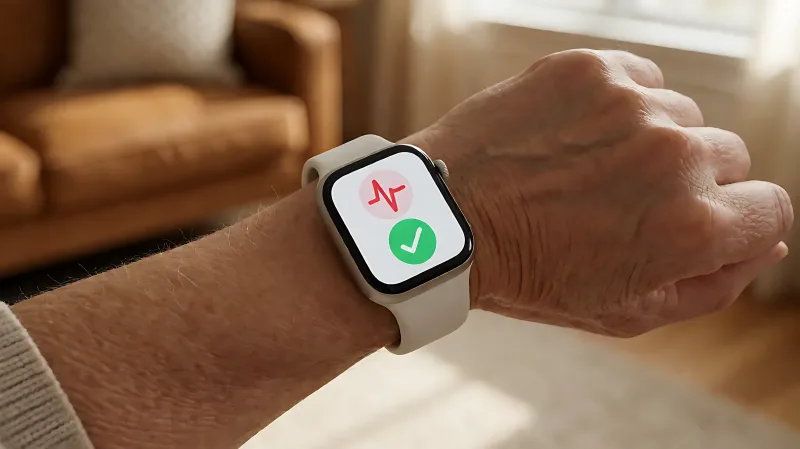
Wearable technology supports independent living by monitoring vital signs and detecting falls. This guide helps you choose the right device based on ease of use, battery life, and safety features.
Wearable health tech allows older adults to monitor their heart rate and detect falls, providing an essential layer of safety for independent living. By tracking activity and sleep, these devices encourage movement and offer peace of mind for families and caregivers. This guide covers the top options for 2026, focusing on ease of use, battery longevity, and critical safety features.
For more information, see NIA healthy aging resources from the National Institute on Aging.
Why Are Wearable Devices Important for Older Adults?
Regular physical activity is the cornerstone of healthy aging, helping to maintain muscle strength and balance. The Centers for Disease Control and Prevention (CDC) recommends that adults aged 65 and older engage in aerobic exercise, muscle-strengthening activities, and balance exercises. Wearable devices make it easier to track these habits without the friction of manual logging. Furthermore, the Institute of Medicine emphasizes that early detection of health trends, such as irregular heart rhythms, can lead to better long-term outcomes. For seniors, a device that alerts emergency contacts after a fall can be the difference between a minor injury and a serious medical event.
What Features Should You Prioritize?
When selecting a wearable for an older adult, user experience is just as important as the sensors. A device that is too complex will not be worn consistently. Look for the following key attributes:
- Large, Legible Displays: Fonts should be easy to read without magnification. High-contrast screens are ideal for low-light conditions.
- Extended Battery Life: Devices that last several days reduce the anxiety of frequent charging. Most standard smartwatches require daily charging, while fitness bands often last a week or more.
- Fall Detection and SOS: This feature automatically calls emergency services if a hard impact is detected and the user is unresponsive. It is a critical feature for those living alone.
- Simple Navigation: Minimal menus and large touch targets or physical buttons make interaction easier for users with tremors or arthritis.
How Do Smartwatches Compare to Fitness Bands?
Smartwatches offer more robust connectivity and safety features, while fitness bands focus on longevity and simplicity. Below is a comparison of the two main categories of wearables suited for seniors.
| Feature | Smartwatches (e.g., Apple Watch, Samsung Galaxy) | Fitness Bands (e.g., Fitbit, Garmin) |
|---|---|---|
| Battery Life | 1 to 2 days (daily charging required) | 5 to 14 days (weekly charging) |
| Display Size | Larger, full-color screens | Smaller, monochrome or simple color screens |
| Connectivity | Can make calls, receive messages | Limited or no smartphone calls |
| Key Safety Feature | Advanced fall detection, cellular alerts | Basic alerts, often no fall detection |
For a senior who values independence and wants the ability to call for help directly from the wrist, a smartwatch is the superior choice. For a user who primarily wants step counts and sleep tracking without smartphone integration, a fitness band is a more practical and affordable option.
Which Wearables Are Best for Fall Detection?
Fall detection is a specialized feature that uses accelerometers to detect a sudden change in posture. Not all devices have this capability. The Apple Watch Series 10 and the Samsung Galaxy Watch series are currently the leaders in this space. Apple’s device, for example, detects a hard fall and prompts the user to cancel the alert if they are conscious. If there is no response within a specific timeframe, it automatically contacts emergency services. This feature has been noted by safety organizations as a valuable tool for preventing prolonged time on the ground after a fall, which can lead to hypothermia or pressure injuries.
Are Fitness Trackers Accurate for Medical Use?
It is crucial to understand that consumer wearables are not medical devices. They provide estimates of heart rate and activity levels that are generally reliable for trend analysis but should not replace a diagnosis from a healthcare provider. The U.S. Food and Drug Administration (FDA) regulates certain health features, such as the ECG app on the Apple Watch, which is a Class II medical device. However, standard heart rate monitoring on other bands is often not FDA-cleared. Users should share data from these devices with their doctors to discuss any anomalies, but they should not use the data to self-diagnose conditions.
How to Choose the Right Device for Your Needs?
Consider the user’s tech-savviness and daily routine. If the user is comfortable with smartphones, an Apple Watch or Samsung Galaxy Watch will integrate seamlessly. If they prefer a standalone device, a Garmin or Fitbit may be better. For those with significant mobility challenges, a dedicated medical alert wearable, such as the Medical Guardian Freedom, may offer more specialized support, including two-way communication with live operators.
Frequently Asked Questions
Do I need a smartphone for a senior fitness tracker?
Most modern fitness trackers and smartwatches require a paired smartphone (iOS or Android) to sync data, receive updates, and configure settings. While the device can often function for basic step counting without a phone, the full range of features, including fall detection alerts and health app access, depends on the smartphone connection.
How often should I change the battery of a smartwatch?
Most current smartwatches use rechargeable lithium-ion batteries rather than replaceable coin-cell batteries. These batteries typically last for the useful life of the device, which is around two to three years, before the capacity degrades significantly. However, you must charge the device daily or every few days to keep it operational.
Can a wearable track medication adherence?
Yes, many smartwatches allow you to set vibration or sound reminders for medications. They do not physically dispense pills, but the alerts serve as a digital memory aid. Some specialized medical wearables include vial sensors that detect when a bottle has been opened, providing an extra layer of verification for caregivers.
Are fall detection features reliable in all situations?
Fall detection algorithms are highly accurate but not perfect. They are designed to detect hard impacts associated with a fall. They may not trigger for a soft sit or a fall onto a thick mattress. Therefore, while these features are a vital safety net, they should be used in conjunction with other safety measures, such as removing tripping hazards from the home.