Best Adaptive Kitchen Tools for Senior Independence
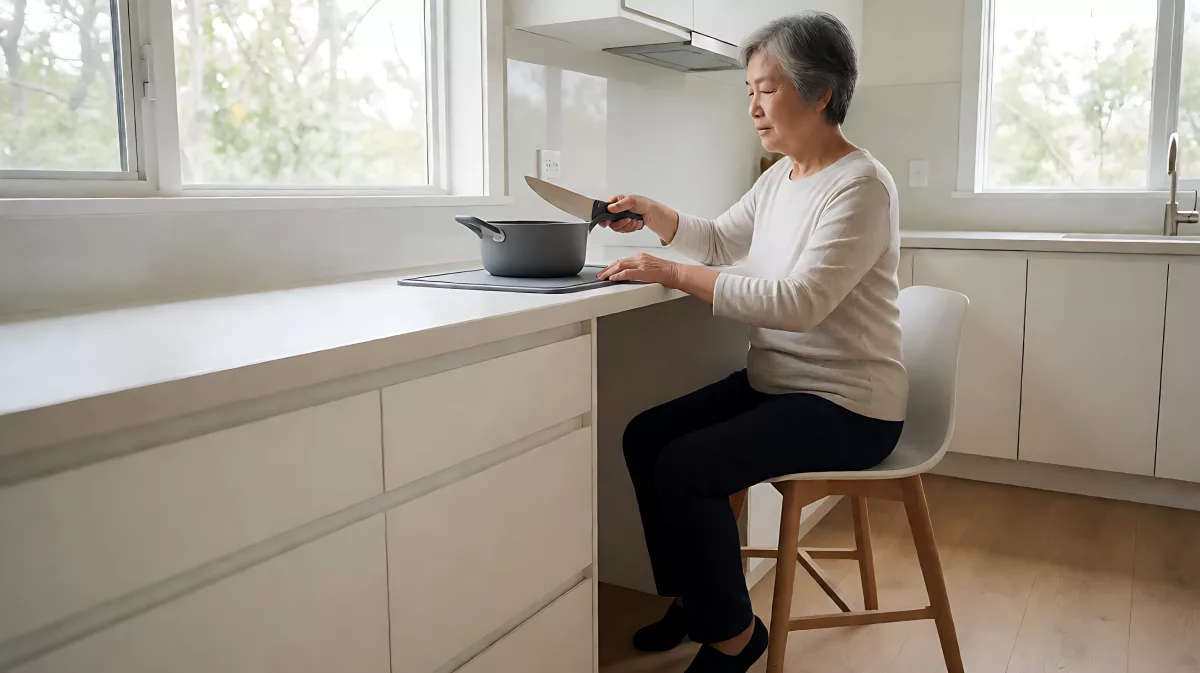
As grip strength and vision naturally decline with age, standard kitchen equipment can become hazardous. This guide explores specific adaptive tools that empower seniors to maintain culinary independence and safety in 2026.
Adaptive kitchen tools for seniors in 2026 are specifically engineered to address reduced dexterity, grip strength, and vision, enabling older adults to prepare meals safely without assistance. These assistive devices promote independence by modifying standard tasks like chopping, opening jars, and measuring ingredients, reducing the risk of injury and supporting a healthy, active lifestyle at home.
Why does the kitchen become a hazard for older adults?
Cooking is a complex activity of daily living that demands fine motor control, balance, and cognitive focus. As the body ages, the prevalence of arthritis, carpal tunnel syndrome, and age-related vision loss increases. According to data from the National Institute on Aging, approximately 54% of adults over age 65 report limitations in climbing stairs, and nearly 41% have limitations in lifting or carrying objects, which directly impacts kitchen tasks.
Standard kitchen utensils often require significant grip force and wrist rotation, movements that can exacerbate joint pain or lead to drops and spills. For seniors managing conditions like Parkinson's disease or post-stroke recovery, the difficulty in handling conventional knives and pot handles can make cooking feel impossible, leading to a shift toward less nutritious, pre-prepared foods. Adaptive technology bridges this gap by prioritizing user safety and ease of use.
How do adaptive tools differ from standard accessories?
Unlike standard gadgets, adaptive tools are designed with specific biometric and ergonomic constraints in mind. Occupational therapists recommend devices that minimize joint strain while maximizing control. In 2026, the market has seen a surge in lightweight, high-contrast, and automated solutions that integrate seamlessly into existing home environments. The goal is not just to make cooking easier, but to restore the joy and social connection associated with meal preparation.
What are the top adaptive tools for grip and dexterity?
For seniors struggling with weak hand strength or tremors, the following tools are essential for maintaining kitchen independence:
- Rocker Knives: Also known as guillotine knives, these tools allow the user to slice food by closing the blade onto a fixed point rather than pushing the blade forward. This motion requires significantly less force and wrist rotation, making it safer and more comfortable for individuals with arthritis or one-handed limitations.
- Ergonomic Mixing Bowls and Utensils: Bowls with rigid, textured bases prevent slipping on countertops. Utensils with extra-large, contoured handles made of soft, non-slip materials like silicone or foam reduce the pressure on fingers and palm while enhancing stability during stirring and whisking.
- Electric Jar and Can Openers: Manual openers can be difficult for those with limited rotational strength. Electric models for 2026 often feature automatic clamping mechanisms that grip the container, allowing the user to simply press a button. This eliminates the need for intense twisting motions, protecting shoulder and wrist joints.
- Vegetable Choppers and Mandolines: These tools process vegetables through a single downward press motion. By replacing repetitive chopping with a mechanical action, they reduce the fatigue associated with manual knife work and minimize the risk of accidental lacerations.
How can vision and memory loss be addressed in the kitchen?
Cognitive and sensory changes are critical factors in kitchen safety. Tools that enhance visual clarity and reduce cognitive load are vital for seniors with dementia or macular degeneration.
- High-Contrast and Large-Print Utensils: Measuring cups, spoons, and timers with bold, high-contrast numbers and lettering ensure that ingredients are measured accurately. White measuring cups with black markings, or yellow with black, are preferred over low-contrast combinations.
- Voice-Activated Kitchen Assistants: In 2026, smart home devices have become more integrated into cooking workflows. Voice-activated timers and smart speakers that read recipes aloud allow seniors to cook without straining their eyes on small print or navigating complex smartphone menus.
- Automatic Stove Shutoffs: For seniors with memory impairment, accidental fires are a significant risk. Automatic stove shutdown devices monitor temperature and time; if a pan overheats or the stove is left on beyond a set period, the system automatically cuts the gas or electric flow, providing a crucial safety layer.
What adaptive devices improve kitchen navigation and posture?
Mobility is often overlooked in kitchen safety. The physical layout and posture required to cook can be taxing for those with back pain or limited balance.
- Anti-Fatigue Floor Mats: Standing for extended periods can cause discomfort. High-density foam mats provide cushioning and reduce pressure on the feet and lower back, encouraging seniors to remain active and engaged in meal prep without physical strain.
- Reaching Sticks and Grabbers: These tools allow users to retrieve items from upper cabinets or high shelves without the need for a step ladder. This eliminates a major fall risk and makes organizing the kitchen much safer.
- Pull-Out Under-Cabinet Shelves: For those with limited shoulder mobility, installing pull-out shelves beneath cabinets is a low-effort, high-impact modification. It brings cooking essentials within arm's reach, reducing the need for stretching and improving overall workflow efficiency.
- Kitchen Stools with Legs Removed: In many senior housing and in-home setups, counter-height stools are preferred. Removing the legs allows the user to slide the stool under the counter, providing a comfortable seated option for those who cannot stand for long periods, transforming the kitchen into a more accessible workspace.
Are adaptive kitchen tools expensive?
Cost varies by category. Simple ergonomic utensils may cost between $10 and $30, while automatic openers and high-tech stove shutoffs can range from $50 to $150. Many occupational therapists suggest starting with a few high-impact tools, such as a rocker knife and a large-handle spoon, to assess needs before investing in a full set. Some government programs and senior assistance funds may also cover specific adaptive equipment through home modification grants.
FAQ
What is the most important adaptive tool for a senior cook?
For most seniors, the rocker knife is often cited by occupational therapists as the single most impactful tool. It addresses the two most common kitchen hazards: falls (by eliminating the need to walk to a cutting board with a sharp blade) and lacerations (by using a mechanical press rather than a slicing motion).
Do these tools require special training to use?
Generally, no. Most adaptive kitchen tools for 2026 are designed for intuitive use. However, it is beneficial to have a family member or occupational therapist demonstrate the proper technique for the first use, particularly for tools like electric openers or mandolines, to ensure the user feels confident and safe.
How can I make my existing kitchen more senior-friendly without major renovations?
Focus on 'soft' modifications first. Rearrange the kitchen to place frequently used items at waist height (the 'golden zone'). Replace thin pot handles with wide, soft-grip bands. Install brighter task lighting above the sink and stove. These low-cost changes significantly improve safety and accessibility without the need for structural changes.
Where can I find these adaptive tools?
Adaptive kitchen equipment is widely available through medical supply companies, online retailers specializing in senior living, and general e-commerce platforms. Many local senior centers and home care agencies also maintain resource lists of preferred vendors and specific models that have been vetted for quality and durability."