Grab Bar Installation Guide: Costs, Types, and Safety Tips
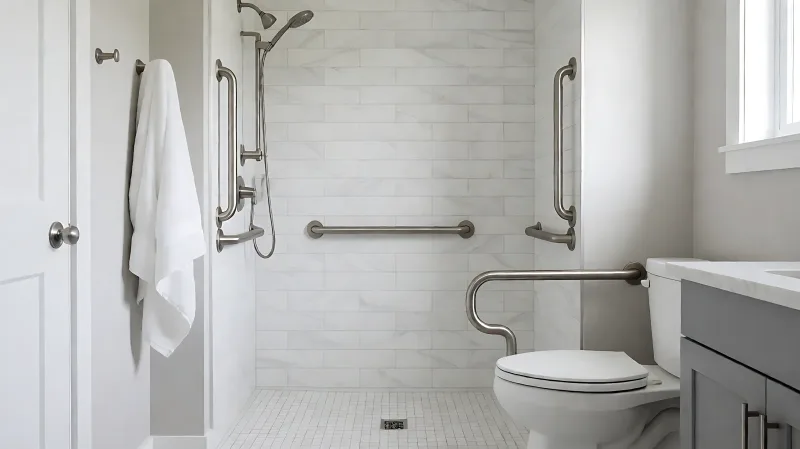
Installing grab bars can prevent falls and support independence. This guide explains ADA standards, material options, and installation best practices for home safety.
Installing accessible grab bars involves mounting sturdy support rails at specific heights to prevent falls and aid mobility. For safety, the Americans with Disabilities Act (ADA) recommends mounting bars 33 to 36 inches above the floor. You can install them yourself using a stud finder and drill, or hire a professional to ensure they can support up to 500 pounds. The average cost is between 20 and 80 dollars per bar for materials, plus labor if you hire a pro.
Why Are Grab Bars Essential for Home Safety?
According to the Centers for Disease Control and Prevention, one in four adults aged 65 and older falls every year. Most of these serious injuries happen in the bathroom due to wet floors and high tub walls. Grab bars provide a reliable handhold to maintain balance when stepping into a shower or standing up from a toilet. They are not just for the elderly; anyone recovering from surgery, experiencing temporary weakness, or caring for a family member with a disability will benefit from them. Despite their importance, only about 8 percent of US homes have them installed, often because people worry they look clinical. Modern designs now match luxury hardware, allowing you to improve safety without sacrificing style.
What Are the Best Types of Grab Bars?
You have several options depending on your needs. Straight horizontal bars are the most common and versatile, usually ranging from 12 to 42 inches long. Vertical bars are perfect for transition points, like the shower entrance, helping you pull yourself up. Angled or diagonal bars offer a combination of grips and are highly recommended for next to the toilet. L-shaped bars cover two zones with one installation. While suction cup bars exist, they are only for temporary, light support. For real safety, you must use mechanically fastened bars that screw directly into the wall structure.
What Are the ADA Compliance Requirements?
While the ADA strictly applies to public buildings, its standards are the gold standard for residential safety. If you are modifying a home for an occupant with a disability, these rules ensure maximum accessibility. The most critical measurement is height. A bar should be mounted between 33 and 36 inches above the finished floor. The diameter of the tube should be between 1.25 and 1.5 inches to fit the human hand comfortably. You must also leave at least 1.5 inches of clearance between the bar and the wall, ensuring your hand can wrap fully around the rail.
Where Exactly Should I Place Them?
Placement is just as important as height. Beside the toilet, the ADA calls for a 42-inch bar on the side wall, starting 12 inches from the rear wall. On the wall behind the toilet, install a 36-inch bar. Inside a roll-in shower, a 54-inch bar on the side wall and a 36-inch bar on the back wall provide support for standing and sitting. For bathtubs with permanent seats, place bars on the back and control end walls. Always consult an occupational therapist if the user has specific balance issues, as they can recommend custom angles.
How Much Does It Cost to Install Grab Bars?
The cost depends on the material and whether you hire a professional. A basic chrome-plate steel bar can cost between 15 and 50 dollars. High-end stainless steel or designer finishes from brands like Moen or Delta range from 25 to 80 dollars. If you hire an installer, labor fees often bring the total to around 250 dollars per bar, including materials and professional mounting. For a typical bathroom, you might need two to four bars, placing the project in the several-hundred-dollar range. This is a small investment compared to the cost of medical care following a severe fall.
Which Materials Offer the Best Grip?
Stainless steel with a knurled or textured finish is the top recommendation for showers and tubs. The texture provides reliable grip when hands are wet and soapy. For areas where hands are usually dry, such as next to the toilet, a smooth brushed nickel or matte black finish looks more like standard hardware and blends in with modern décor. Nylon-coated bars are another option; they offer a warm feel and come in various colors, though they typically support less weight, around 250 to 400 pounds. Always check the manufacturer's weight rating. A quality bar should support at least 250 pounds of static load.
What Is the Step-by-Step Installation Process?
Before you start, you must locate a wall stud. Installing a bar only into drywall anchors is dangerous; the forces can rip the drywall away. Use a stud finder to mark the center of the stud. If your wall is tiled, you will need a masonry bit to drill into the tile and the stud behind it. Here is the process:
- Mark the Height: Measure 34 inches from the floor and mark the wall. Ensure it is level using a bubble level.
- Locate the Stud: Confirm the stud is directly behind your marks. If not, shift your placement to align with the stud.
- Drill Pilot Holes: Use the hardware included with your bar. Drill into the stud to create a pilot hole for the screw.
- Insert Anchors: If you are installing into a masonry wall without studs, use plastic anchors or a heavy-duty sleeve anchor rated for the load.
- Mount the Bracket: Attach the wall plate or bracket securely. Tighten the screws until the bracket is flush against the surface.
- Attach the Bar: Slide the grab bar onto the bracket and secure it with the provided set screws. Test it with a gentle weight before using it fully.
What Tools Do I Need for DIY Installation?
You do not need expensive equipment. A basic cordless drill, a level, a tape measure, a stud finder, and a pencil are essential. You will also need a masonry bit if drilling into tile or concrete. Keep the installation tools provided with the grab bar, such as an Allen wrench or screwdriver. If you are not comfortable drilling into studs or handling masonry, hire a local handyman. The risk of a faulty installation is too high for a critical safety device.
Are There Insurance or Grant Options?
Medicare Part B may cover grab bars if a doctor prescribes them for a condition like a balance disorder or after a fall risk assessment. However, Medicare typically covers the purchase of the bar, not the installation labor. Some states offer grants or tax credits for home modifications that improve accessibility. Check with your local Area Agency on Aging to see if there are funds available in your region. Private insurance policies sometimes include in-home safety equipment. It is always worth checking your health plan documents for specific benefits related to fall prevention.
How Do I Know if My Grab Bars Are Secure?
After installation, pull down on the bars with significant force to test their stability. If the brackets shift or the screws spin, stop immediately and fix the installation. The bar should feel rigid. Periodically inspect the mounting hardware over the years. Humidity in the bathroom can loosen screws or corrode metal. If you notice rust or wobbling, replace the bar or the bracket immediately. Regular maintenance ensures the device remains safe.
Frequently Asked Questions
Can I install a grab bar without a stud?
Yes, but you must use heavy-duty chemical anchors or masonry sleeves if you are installing into brick or concrete. For drywall, you can use toggle bolts or a specialized drywall anchor rated for at least 250 pounds. However, locating a stud is the safest and most reliable method. If a stud is not available at your desired location, move the bar slightly to align with the structural support.
How many grab bars do I need in my bathroom?
A comprehensive setup usually includes two to four bars. You should place one on the side wall next to the toilet, one on the back wall behind the toilet, and one or two in the shower or tub area. The exact number depends on your layout. The goal is to have a handhold within arm's reach at every transition point, such as stepping over a threshold or moving from standing to sitting.
Do suction cup grab bars work for heavy people?
No. Suction cup bars are designed for lightweight, temporary assistance for smaller individuals or children. They rely on air pressure and can fail if the surface is textured, wet, or not perfectly flat. They should never be relied upon as the primary safety device for someone with a higher body weight or a history of falls. Use hardware-mounted bars for secure support.
Is it better to hire a professional for installation?
Hiring a professional is recommended if you are not comfortable with power tools or if the walls are masonry. A professional will ensure the bar is mounted at the correct angle and height and will verify it can hold the required weight. The cost for professional installation is typically around 250 dollars per bar in the US, which includes the hardware and labor. It is a worthwhile expense for peace of mind.