Who Owns Your Wearable Tech Data in 2026?
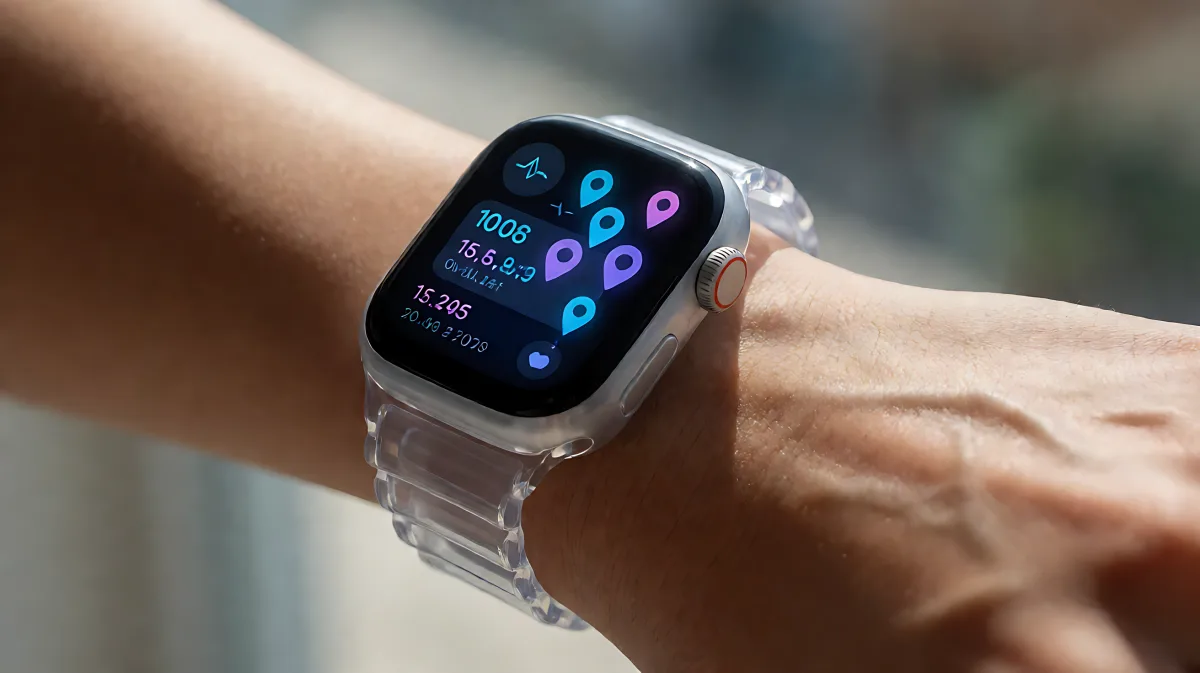
As wearable devices become central to daily life, the question of data ownership has moved from the margins to the mainstream. This guide explains who controls your health, location, and behavioral data in 2026, highlighting the tension between consumer rights and corporate monetization.
In 2026, the owner of your wearable data is typically the device manufacturer, not you, though strict regulations in Europe and California are changing this dynamic. While you generate the biometric and location data, companies retain the legal right to analyze, share, and monetize this information under their terms of service, unless you explicitly opt out or reside in jurisdictions with strong data sovereignty laws like the EU’s GDPR.
The rapid evolution of Internet of Things (IoT) technology has blurred the line between personal physical attributes and digital assets. As wearables move beyond simple fitness tracking to include continuous health monitoring and industrial sensory applications, the issue of who holds the keys to this intimate information has become a primary concern for consumers in the US and UK.
What Does “Data Ownership” Mean for Wearables?
True data ownership implies that the user has the sole right to control, delete, or sell their information. However, in the context of consumer electronics, this is rarely the case. Instead, most companies operate under a data custodial model. This means the manufacturer collects the data, stores it on their servers, and uses it to improve algorithms or sell targeted advertising. For the user, the data exists in a state of borrowed trust; the manufacturer acts as the custodian, but the legal framework often places the liability on the company for security breaches.
The definition of “data” has expanded significantly. It is no longer just steps or calories. As noted in industry developments, the inclusion of machine learning and embedded systems means that wearables now process complex behavioral patterns. A smart ring might infer sleep quality and stress levels, creating a digital twin of your physiological state. Owning this data would mean owning the rights to your own digital physiology, a concept that is currently more theoretical than legal reality for most consumers.
How Do US and UK Laws Differ on Personal Information?
The United States lacks a comprehensive federal data privacy law similar to the General Data Protection Regulation (GDPR) in Europe. Instead, data protection is a patchwork of sector-specific rules. In the US, the California Consumer Privacy Act (CCPA) and the California Privacy Rights Act (CPRA) provide robust rights for California residents, including the right to delete data and opt out of the sale of personal information. However, for the majority of Americans, data ownership is governed primarily by the terms of service (ToS) agreements they scroll past without reading. These agreements often allow manufacturers to use data for product development and commercial purposes.
In the United Kingdom, post-Brexit data regulations still closely mirror the EU’s GDPR framework, often referred to as UK GDPR. This offers stronger default protections for residents. Under UK rules, personal data includes genetic and biometric data, which means wearable health data is strictly protected. Companies must have a legal basis for processing this data, often relying on explicit consent or legitimate interest, which must be balanced against the individual’s rights. The UK Information Commissioner’s Office (ICO) actively enforces these rules, making the UK one of the safer jurisdictions for data sovereignty compared to the US.
Which Companies Control the Most Wearable Data?
The market for wearable technology is dominated by a few key players, each with different approaches to data control. Apple and Samsung maintain closed ecosystems where data often stays on the device or within their private cloud, limiting third-party access. This model prioritizes security but reduces user control over portability. Meanwhile, devices like the Vuzix M400 smart glasses, which are targeted at enterprise and military applications, operate under entirely different protocols. These devices are often built for specific operational tasks, meaning the data belongs to the organization deploying them, not the individual wearing them. In these cases, “ownership” is entirely corporate or state-controlled.
Furthermore, the rise of industrial wearables has shifted the conversation. Companies like 2M Engineering, which develops sensor products for medical and industrial use, emphasize certification and compliance. Their work involves creating devices that meet strict standards such as ISO 13485 for medical products. When these devices are used in healthcare settings, the data often falls under health information regulations like HIPAA in the US, which grants patients more rights to access their records, though it does not necessarily give them ownership over the raw sensor data stored by the device manufacturer.
What Happens to Data When You Sell or Break a Device?
A critical gap in data ownership concerns the lifecycle of the hardware. When a consumer discards a smartwatch or smart ring, the data stored on the device may not be permanently erased. If the data is not synced to the cloud or is encrypted in a way that prevents recovery, it may be accessible to the next owner of the physical hardware. This “shadow data” problem is one of the most significant privacy risks in the consumer IoT space. Manufacturers are increasingly required to implement secure boot and data wiping protocols, but these features are not universal across all tiers of products.
Additionally, the network connectivity of these devices creates regulatory ambiguities. As devices communicate wirelessly, jurisdictional boundaries of data transfer become complicated. Data generated in New York might be processed in a server in Ireland, subject to different privacy laws. This cross-border data movement makes it difficult for individuals to claim full ownership or even understand who is responsible for their security.
How Can You Protect Your Wearable Data?
While users cannot claim legal ownership of data generated by most consumer wearables, they can exercise significant control over its use. The first step is to review the privacy policy of the device manufacturer. Look for clauses related to “data sale” and “third-party sharing.” In jurisdictions with strong data laws, such as California or the EU, you have the right to request a copy of all your data, or to delete your account and associated records. This right to erasure is a powerful tool for reclaiming a degree of sovereignty over your digital self.
Enabling two-factor authentication on any companion apps is essential. Since the wearable itself is a data point generator, the app is the data gateway. Protecting the app means protecting the data stream. For those in the UK, the ICO provides resources for managing personal data, including how to submit data subject access requests (DSARs) to companies. For US users outside of California, the options are more limited, making it crucial to choose brands with transparent privacy commitments and robust on-device processing capabilities.
Finally, consider the physical security of your device. Wearables are easily lost or stolen. Since they contain biometric keys and personal identifiers, they are as sensitive as a physical wallet. Implementing remote wipe features, where available, ensures that if the hardware falls into the wrong hands, the data contained within it can be destroyed. This proactive measure is one of the few ways individuals can enforce their will against the hardware itself.
Is Data Ownership Likely to Change in the Future?
Legislators in both the US and UK are aware of the growing concern over biometric data. There is a strong push for federal data privacy legislation in the US that would standardize rights similar to the GDPR. If passed, this would shift the landscape from “custody” to “ownership,” granting users the right to own, rent, or sell their data. Until then, the balance of power remains tilted toward the manufacturer, making informed consent and careful device selection the best available defenses for the average consumer.
Frequently Asked Questions
Do I own the health data generated by my smartwatch?
Legally, in most cases, you do not own the data in the absolute sense. The manufacturer owns the raw data and the algorithms that process it. However, you have the right to access, delete, and in some jurisdictions, opt out of the sale of this data. Your relationship is one of license and regulation rather than property ownership.
What happens if my wearable device is hacked?
Security breaches are a significant risk. In regulated jurisdictions like the UK or under HIPAA for health devices, the company is liable for the breach and must notify you. In the US consumer market, liability is often limited by the terms of service. Users should ensure their devices are patched regularly and use strong, unique passwords for their companion apps to mitigate personal risk.
Can I take my data from one wearable brand to another?
Data portability is improving but inconsistent. Most major brands offer export options, such as downloading CSV files of your activity history. However, proprietary formats and biometric encryption often make it difficult to seamlessly transfer this data to a competing ecosystem. Always export your data in a standard format like CSV or JSON before switching brands to ensure you retain your historical records.
Is location data from wearables shared with advertisers?
Yes, this is common in non-military consumer devices. Aggregated and anonymized location data is often used for market research and targeted advertising. If you reside in a jurisdiction with “sale of data” laws like California, you can usually view and opt out of these data sharing practices through the manufacturer’s privacy settings or a specific “Do Not Sell My Personal Information” link.
Do industrial and military wearables have different data rules?
Absolutely. Industrial and military devices, such as those produced by Vuzix for tactical use, operate under strict non-disclosure agreements and government regulations. The data generated by these devices is considered proprietary to the organization or state deploying them. Individual users have no right to access or retain this data, as it is classified or commercially sensitive.