What Is a Sleep Better Care Facility?
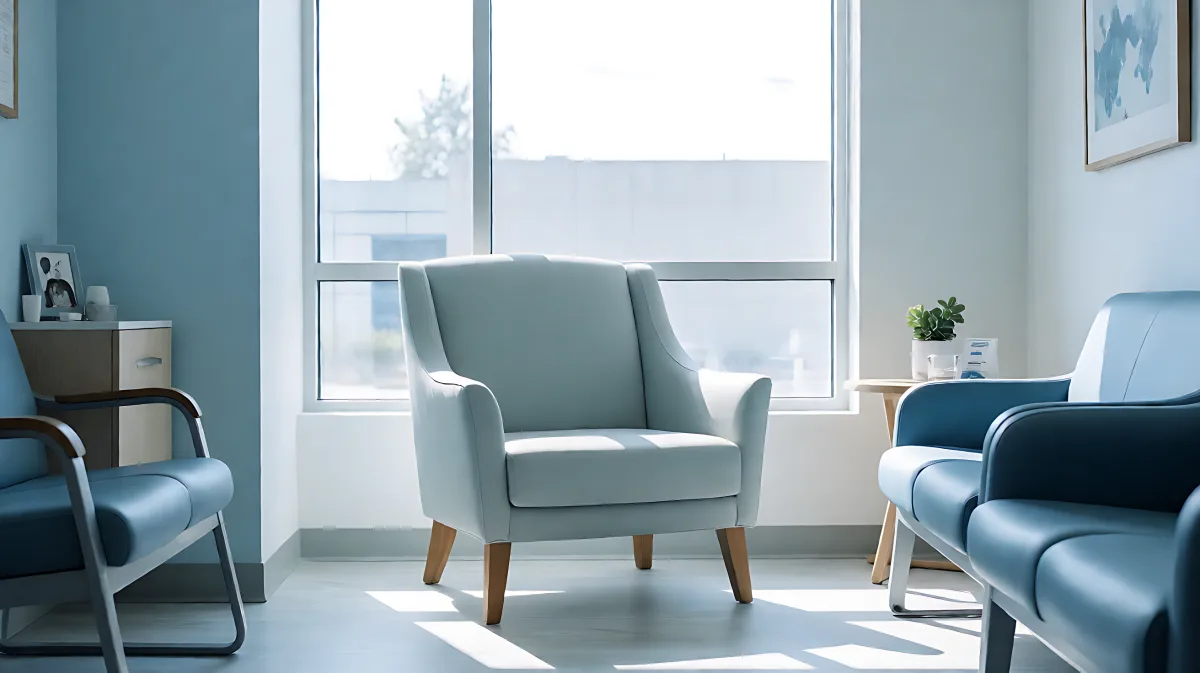
A sleep better care facility is a specialized outpatient clinic focused exclusively on diagnosing and treating sleep disorders. These centers often use alternative methods, such as oral appliances, to manage conditions like sleep apnea without the bulk of traditional machinery.
A sleep better care facility is a specialized medical clinic dedicated to diagnosing and treating sleep disorders. Unlike general hospitals, these centers focus on restorative health through targeted therapies such as custom oral appliances or in-lab monitoring. They help patients achieve deeper sleep to prevent long-term health risks associated with chronic sleep deprivation.
What specific services are offered at these facilities?
Modern sleep care centers have evolved beyond simple diagnosis to include comprehensive, long-term management plans. The core services provided at these locations typically fall into two main categories: diagnostic testing and therapeutic intervention.
Diagnostic services often include in-lab polysomnography, which monitors a patient's physical state during sleep, as well as home sleep tests that patients complete in their own beds. Treatment options vary significantly. While some centers primarily prescribe continuous positive airway pressure (CPAP) machines, others focus on dental sleep medicine. This involves using custom-fitted oral devices that hold the jaw forward to keep the airway open. This method is becoming increasingly popular because it is quieter and more portable than machine-based treatments.
How does oral appliance therapy compare to traditional CPAP?
For many patients, the decision between an oral appliance and a CPAP machine comes down to comfort and lifestyle fit. Oral appliances are small, custom-made mouthguards that shift the lower jaw slightly forward. This simple mechanical action prevents the tongue and soft tissues from collapsing into the throat during sleep.
According to data cited by practitioners in the industry, specific facilities in the United States have noted that oral appliances can dramatically improve quality of life by removing the need for hoses, noise, and bulky equipment. Some patients report better adherence rates with these devices because they are easy to travel with and require less maintenance than complex medical machines. However, they are not suitable for everyone, and a proper examination is required to determine candidacy.
What are the specific benefits of using a custom device?
- Portability: The devices are small enough to carry on long trips or international flights without issue.
- Silence: There is no fan noise, which is a major factor for couples sharing a bedroom.
- Comfort: Many users find the sensation less intrusive than a breathing mask against the face.
Who qualifies for care at a specialized sleep facility?
These clinics serve a broad range of demographics, but they often target individuals who have not had success with conventional treatments or those who are seeking a less invasive alternative. The conditions typically addressed include obstructive sleep apnea, insomnia, and other respiratory disruptions during rest.
It is important to note that insurance coverage is a critical factor for many families. Specialized centers frequently work with major medical insurance plans, Medicare, and veterans' benefits to make treatments more accessible. By handling the billing and coverage verification, the facility reduces the financial barrier to entry for patients who might otherwise delay care.
How can a patient identify the right facility for their needs?
Patients should look for centers that offer a comprehensive approach to sleep health. This includes a willingness to explain the root cause of the problem and a clear path forward. A high-quality facility will provide detailed education on the specific disorder being treated and how the proposed solution works. This transparency helps build trust and ensures that the patient is fully committed to the treatment plan.
Common mistakes patients make when seeking sleep care
Many families assume that a sleep disorder simply means they need to buy a machine from a retail store. In fact, a professional evaluation is crucial because untreated sleep apnea is associated with over 50,000 cardiac-related deaths every year in the United States. Relying on over-the-counter solutions without a formal diagnosis can leave underlying issues unaddressed, allowing the risk of stroke and hypertension to continue.
Another misconception is that home sleep tests are inaccurate. While in-lab studies are the gold standard, modern home tests provide highly reliable data for many patients, particularly those who are comfortable in their own environments. Choosing a facility that offers both options gives the patient the flexibility to choose the testing method that causes the least anxiety.
What steps should you take to book an appointment?
Getting started with a sleep care facility is a straightforward process that requires only a few key actions. Follow this checklist to ensure you are prepared for your first visit:
- Consult a primary care provider: Get a referral or preliminary screening if you are already under general medical care.
- Review insurance benefits: Call your provider to confirm that sleep medicine and dental sleep care are in-network benefits.
- Schedule the initial consultation: Most facilities require an appointment to begin the process of review.
- Complete a pre-visit assessment: Many centers offer a questionnaire to help them understand your symptoms before you arrive.
- Prepare for testing: If you are scheduled for a home test, you will typically need to pick up the equipment at the facility and return it the following morning.
By taking these steps, you can move toward better sleep and a healthier daily life. Specialized facilities are designed to guide you through this transition, providing the expertise and resources needed to manage sleep disorders effectively.
Frequently Asked Questions
Do I need a doctor's referral to visit a sleep center?
It depends on your specific insurance plan and the facility's policies. While some centers allow self-referral, most insurance companies require a referral from a primary care physician or pulmonologist to cover the diagnostic and treatment costs. Always check your benefits provider directory to confirm the requirements for your specific plan.
Are oral appliances covered by standard health insurance?
In many cases, yes. Because these devices are considered medical treatment rather than cosmetic dental work, they are often covered by medical insurance plans, including Medicare and major commercial providers. A qualified sleep physician must diagnose the apnea to ensure the treatment is medically necessary and billable.
How long does it take to get a custom device?
The process usually takes several weeks. After a diagnosis, an impression of your teeth is taken. The device is then fabricated by a specialist and shipped to the clinic. Once received, you will return for a fitting appointment where the device is adjusted to ensure it provides the necessary airflow and comfort for your specific sleep position.