Soundproofing for Better Sleep in Small Rooms
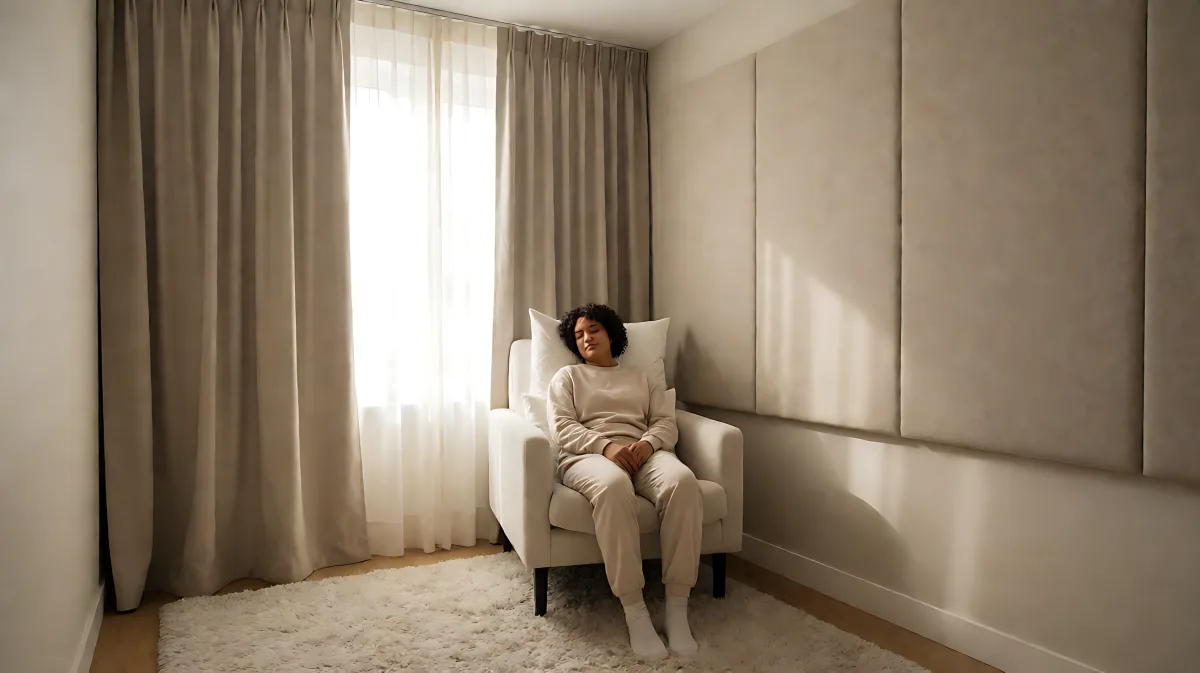
Struggling to sleep due to noise? Discover how simple acoustic adjustments in small rooms can increase deep sleep by up to 34 minutes and reduce nighttime awakenings.
Simple acoustic adjustments in a small bedroom can significantly enhance sleep quality. By reducing background noise and controlling reverberation, you can increase time spent in deep sleep by 16 to 34 minutes and lower the number of nighttime awakenings, according to research from the Charité Centre for Sleep Medicine in Berlin.
Why Room Acoustics Matter for Your Sleep
Many people assume that only loud noises disturb sleep, but in fact, the way sound bounces around a small room is equally critical. This phenomenon, known as reverberation, amplifies minor sounds and prevents the brain from relaxing fully. When a room lacks absorption materials, echoes persist longer, keeping the auditory system alert. A study involving 24 healthy sleepers found that when participants slept in an acoustically isolated environment compared to their home or a standard lab, they experienced fewer arousal events and higher amounts of restorative deep sleep, even if they did not consciously notice the improvement the next morning.
This suggests that the physical structure of your sleeping space directly impacts the microstructure of your sleep. For small apartments or compact bedrooms, where every sound is magnified by hard surfaces, tackling acoustics is not just a luxury for audiophiles but a health intervention for better rest.
How to Soundproof a Small Bedroom
You do not need to demolish walls to improve your acoustic environment. Strategic placement of soft materials can drastically change how sound travels in a room. Here is a practical checklist to transform your space:
- Install Heavy Curtains: Replace sheer blinds with thick, blackout curtains lined with dense fabric. These absorb high-frequency noises like traffic and city hum.
- Add Soft Furnishings: Large rugs, throw pillows, and upholstered headboards act as sound dampeners. In small rooms, these prevent sound from reflecting off bare floors and walls.
- Use Acoustic Panels: If you rent and cannot nail into walls, portable acoustic panels or heavy fabric screens can be placed near windows or shared walls to break up sound waves.
- Seal Gaps: Use weatherstripping or door seals on windows and doors. Air gaps are major contributors to noise intrusion, often more than the window glass itself.
- Introduce White Noise: A white noise machine masks intermittent disruptions like a partner’s breathing or distant sirens, creating a consistent auditory background that is easier for the brain to filter out.
For renters, the focus should be on non-permanent solutions. Portable white noise machines and heavy textiles are the most effective low-effort tools. Homeowners can invest in permanent acoustic tiles or sealant for long-term benefits.
Common Misconceptions About Home Acoustics
A widespread misconception is that only absolute silence is necessary for good sleep. In reality, total silence can actually be unsettling and make sudden sounds more jarring. The goal is not to eliminate all sound, but to minimize unpredictable noise spikes and reduce the "live" quality of the room. Another error is focusing solely on blocking external noise. Internal reverberation from hard floors and bare walls is often the culprit behind a "noisy" feeling in a quiet room. Addressing absorption is just as important as isolation.
Impact on Sleep Stages and Health
When you successfully dampen sound and control echo, the benefits extend beyond just falling asleep faster. As noted in the Berlin sleep study, acoustically treated environments correlate with increased REM latency and higher proportions of slow-wave sleep. This is crucial because deep sleep is when the body performs physical repair and memory consolidation. For individuals with hypersensitivity to noise, such as those with tinnitus or heightened auditory processing, these acoustic modifications can be the difference between a restful night and a fragmented one.
Furthermore, a quieter, more acoustically stable room reduces the cognitive load associated with sleep maintenance. You do not have to subconsciously monitor your environment for threats or disruptions, allowing for a deeper state of relaxation.
Integrating Sound Control with Daily Routines
Soundproofing works best when combined with consistent sleep hygiene. Maintaining a regular sleep-wake cycle reinforces your body’s internal clock. If you live in an urban area with persistent noise, consider using double-pane windows or investing in a high-quality seal for your bedroom door. During the day, test your acoustic setup by clapping your hands; if the echo is sharp and long, you need more soft materials. If the sound is deadened, your room is well-tuned for sleep.
For those in shared living spaces or multi-generational homes, communication is key. Establishing quiet hours and using portable sound dampeners can create a respectful acoustic boundary without invasive construction.
FAQ
Do thick curtains really make a difference in sound insulation?
Yes, while they are not a substitute for solid walls, heavy, lined curtains can block a significant amount of high-frequency noise from outside. They also reduce internal reverberation, making the room feel acoustically calmer and more inviting for sleep.
Is a white noise machine better than complete silence?
For many people, a low-level white noise is superior to sudden silence. It provides a consistent auditory mask that helps smooth out erratic sounds like a neighbor’s footsteps or distant traffic, preventing the brain from being startled by sudden quiet or noise.
How much deep sleep can acoustic improvements actually add?
Research indicates that moving from a standard home environment to an acoustically optimized space can increase deep sleep by 16 to 34 minutes per night. This substantial gain in restorative sleep can significantly impact daytime energy and cognitive function.
Can I soundproof a small room without drilling holes?
Absolutely. Renter-friendly solutions include thick rugs, upholstered furniture, portable acoustic panels, and heavy blackout curtains. These items work by absorbing sound waves and adding mass to the room’s acoustics without requiring permanent structural changes.