Naps vs Sleep Debt: Which Restores Productivity
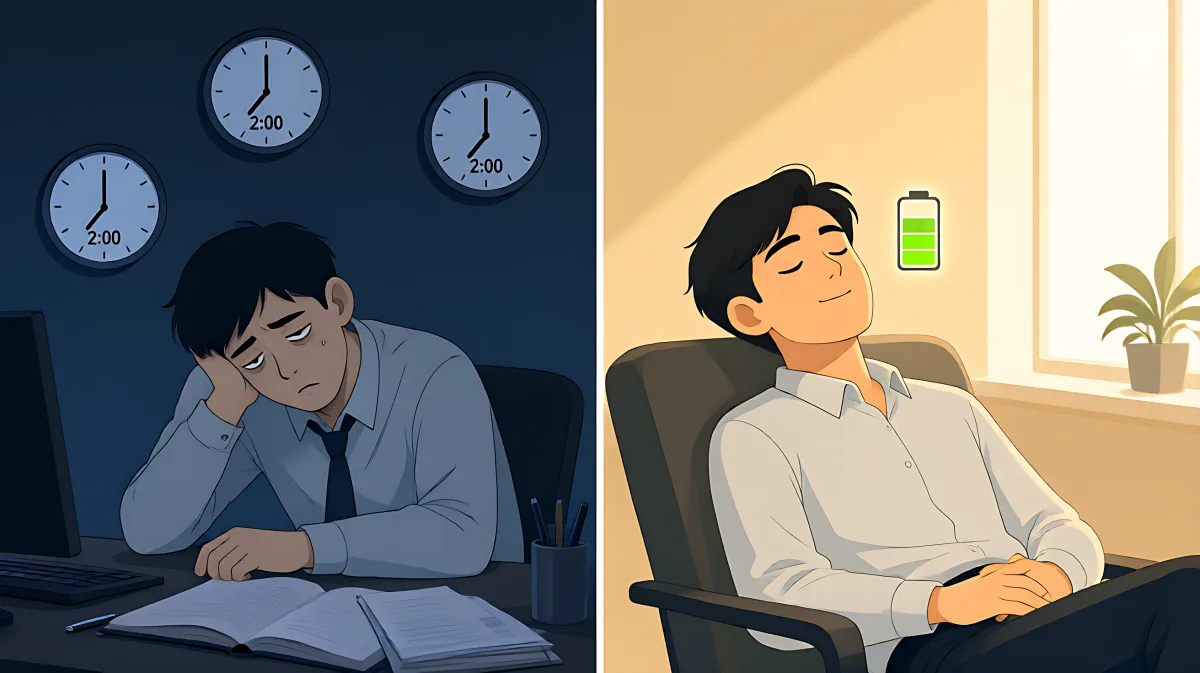
Many professionals believe a quick nap erases hours of lost sleep. Research indicates that extended daytime sleep often disrupts your circadian rhythm and fails to restore the deep restorative sleep your body requires for peak performance.
Daytime naps do not immediately clear accumulated sleep debt. While short naps of 10 to 20 minutes can provide a temporary boost in alertness, they do not fully replace the missing deep sleep needed to restore cognitive function. For many adults, extending a nap beyond 30 minutes or napping late in the afternoon can disrupt nighttime sleep, leading to a cycle of poor rest and increased daytime fatigue. To effectively manage sleep debt, prioritize consistent nighttime sleep schedules over relying on extended daytime dozing.
What Is the Real Cost of Sleep Debt?
Sleep debt is not just a feeling of tiredness; it is a measurable physiological deficit. When you consistently get less sleep than your body requires, your brain cannot complete its essential maintenance tasks. The financial and cognitive impact is substantial. The RAND Corporation estimates that sleep deprivation costs the US economy over $400 billion annually in lost productivity alone. For the individual, this loss translates into reduced emotional regulation and slower decision-making.
The danger of sleep debt is that you may not feel as impaired as you actually are. A phenomenon known as “sleepiness blindness” means that after just a few days of losing two hours of sleep each night, your cognitive performance drops to the level of someone who has not slept for 48 hours. However, you likely only perceive yourself as mildly tired. This gap between perceived and actual impairment makes sleep debt particularly dangerous for workers in high-stakes environments.
How Does Sleep Loss Compare to Alcohol Intoxication?
Research from the University of Pennsylvania highlights a direct link between accumulated sleep loss and alcohol impairment. Studies by Williamson and Feyer demonstrated that being awake for 24 hours produces cognitive performance levels equivalent to a blood alcohol concentration of 0.10%. This exceeds the legal driving limit in most jurisdictions. If you carry a significant sleep debt, you are effectively operating under these levels of impairment every single day without consuming a drop of alcohol.
Do Daytime Naps Effectively Erase This Debt?
Many people assume that sleeping in on the weekend or taking long naps on Monday morning fully recovers a week of lost sleep. In fact, this is a misconception that can make the problem worse. While napping helps restore alertness for the immediate hour, it does not replicate the deep, restorative sleep stages that occur during a proper night’s sleep. Furthermore, napping for more than 30 to 40 minutes or sleeping late in the day reduces your “sleep drive,” making it harder to fall asleep at a healthy hour that night. This shifts your circadian rhythm and can lead to insomnia later in the evening.
For older adults, the dynamic is slightly different. As people age, the amount of deep sleep naturally decreases, and sleep becomes more fragmented. Data from recent health studies indicates that up to 60% of older adults nap during the day. However, while a 30-minute nap is generally linked to better health outcomes in this demographic, excessive daytime sleepiness—such as sleeping through meals or falling asleep while sitting—is a signal that warrants medical attention rather than a casual habit.
When Do Naps Become Harmful?
Naps become counterproductive when they exceed 20 minutes or occur after 3:00 PM. Longer naps push the body into deep sleep, causing grogginess upon waking, known as sleep inertia. Late afternoon naps compete with the biological signals that tell your body it is time to prepare for the night. If you find yourself needing long naps to function, it is a sign that your baseline sleep requirement is not being met, and napping is masking a chronic deficit rather than resolving it.
How To Manage Sleep Debt Without Relying on Long Naps
Recovering from sleep debt is a gradual process that requires strategic adjustments rather than binge sleeping. You cannot make up for two hours of lost sleep in one night by sleeping for ten hours; the body will often only retain a portion of that extra time. Instead, focus on consistency and hygiene.
- Track your sleep needs for one week to determine your personal requirement, which typically ranges from seven to nine hours for most adults.
- Set a fixed wake-up time, even on weekends, to anchor your circadian rhythm.
- If you must nap, set a strict timer for 20 minutes to prevent entering deep sleep cycles.
- Limit caffeine intake after 2:00 PM to ensure it does not interfere with the onset of nighttime sleep.
- Dim the lights and avoid screens one hour before bed to signal your brain that sleep is approaching.
What Common Myths Hold People Back From Better Sleep?
One persistent myth is that you can “catch up” on sleep in a single long block of rest. Science suggests that sleep debt is cumulative and that chronic restriction causes lasting metabolic and cognitive changes. Another misconception is that older adults need less sleep. While their sleep architecture changes, the need for restorative rest remains, and a decline in daytime energy in seniors is often a symptom of underlying issues like sleep apnea or medication side effects, not just aging.
What Strategies Can You Use Today?
To combat the silent erosion of your cognitive performance, start with a two-week experiment. Aim for seven to nine hours of sleep per night. If you must nap, keep it to 10 to 20 minutes and finish by 2:00 PM. Monitor your energy levels and error rates at work. If you find that your performance remains low despite adequate sleep duration, consult a healthcare provider to rule out sleep disorders such as sleep apnea or restless leg syndrome, which prevent you from achieving the deep sleep you need regardless of time spent in bed.
| Nap Duration | Effect | Recommendation |
|---|---|---|
| 10-20 minutes | Boosts alertness, reduces grogginess | Ideal for short-term recovery |
| 30-45 minutes | Mix of light and deep sleep, potential grogginess | Use cautiously, avoid late afternoon |
| Over 45 minutes | Deep sleep, severe sleep inertia, disrupts night sleep | Avoid; prioritize sleep hygiene instead |
Frequently Asked Questions
Can I fully recover from chronic sleep debt?
Yes, but it takes time. If you have been sleeping less than seven hours for months, your body needs several days to weeks of consistent, adequate sleep to fully restore cognitive function and metabolic health. Relying on a single long weekend will not erase the accumulated deficit.
Is it better to skip coffee or skip the nap?
Generally, it is better to take a short 20-minute nap rather than rely on large doses of caffeine. Naps provide a direct restoration of alertness without the jittery side effects of stimulants. However, caffeine is a useful tool if you must stay awake for a critical task, provided you consume it early in the day.
Do naps affect older adults differently?
Older adults naturally have more fragmented sleep and may nap for different reasons, such as managing chronic pain or medication side effects. A short 30-minute nap is often beneficial for this group, but sleeping 12 or more hours a day is a red flag for medical conditions like heart disease or dementia and should be evaluated by a doctor.
How do I know if I am experiencing “sleepiness blindness”?
Sleepiness blindness is when you feel less tired than you actually are. You may notice others pointing out your missed deadlines, slower reactions, or mood swings. If you assume you are fine because you don’t feel exhausted, but your performance data shows a decline, you are likely suffering from this phenomenon.