Sleep Apnea Dental Link: What You Need To Know
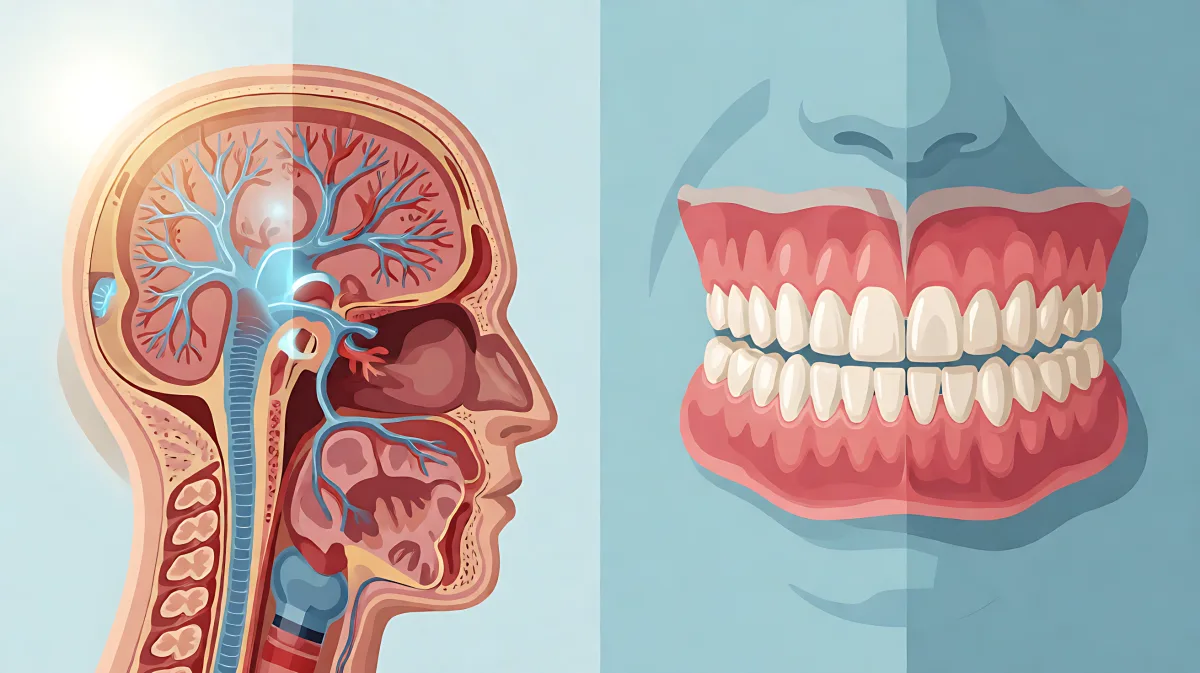
Chronic sleep apnea does more than disrupt rest; it significantly increases the risk of severe dental problems. This guide explains the physiological link and offers a clear plan to protect your oral health.
Chronic snoring and obstructive sleep apnea are directly linked to a 28 percent increased risk of coronary artery disease, according to a systematic review published in the journal Sleep and Breathing. While the primary danger is cardiovascular, patients must also address significant dental issues that arise from disrupted sleep patterns and mouth breathing.
Why Do Sleep Disorders Damage Teeth and Gums?
The connection between sleep apnea and dental health is not incidental; it is structural and physiological. When a person suffers from obstructive sleep apnea, the airway repeatedly collapses during the night. This forces the body to compensate by forcing the jaw open or breathing exclusively through the mouth. This chronic mouth breathing dries out the saliva that normally protects tooth enamel and washes away food particles. Without this natural defense, bacteria thrive, leading to accelerated plaque accumulation and gingivitis.
Is Clenching A Common Side Effect Of Poor Sleep?
Yes, and it is a major driver of dental wear. The repeated cycles of apnea and gasping for air cause the jaw muscles to tense and clench, a condition known as bruxism. This silent grinding can crack fillings, wear down tooth enamel to the dentin, and cause chronic temporomandibular joint disorders. Many families assume that sleep apnea only affects the heart and lungs, but in fact, the mechanical stress on the jaw structures leads to measurable dental degradation that often goes unnoticed until a routine checkup reveals significant tooth wear.
What Are The Long-Term Health Risks Of Ignoring Snoring?
While dental issues are a local problem, they are a marker for systemic strain. Research indicates that snorers face a significantly higher burden of chronic inflammation. A study highlighted by the American Academy of Sleep Medicine found that individuals who report habitual snoring combined with daytime sleepiness have a 46 percent higher hazard for cardiovascular events. This inflammation systemically affects the gums, making them more susceptible to periodontal disease. There is a two-way street of risk: poor oral health increases the likelihood of systemic infections, which can worsen sleep quality.
How Can You Protect Your Dental Health From Sleep Apnea?
You do not need to wait for symptoms to become severe. Proactive steps can mitigate the damage caused by night-time airway collapse. The following checklist provides a practical framework for managing both conditions simultaneously.
- Track your symptoms: Use a sleep diary or app to log instances of waking up with a dry mouth or sore jaw. This data helps your dentist and sleep specialist correlate dental wear with apnea events.
- Request a custom guard: Avoid over-the-counter mouthguards, which can worsen jaw position. Ask your dentist for a customized splint that protects teeth while accommodating the specific needs of a sleep apnea patient.
- Hydrate before bed: Counteract the drying effects of mouth breathing by drinking a full glass of water before sleep and using a saline nasal spray to keep nasal passages clear.
- Schedule dual appointments: Coordinate with both your primary care provider and dentist to ensure that any prescription for a CPAP machine does not interfere with your oral appliances.
What Does The Data Say About Snoring And Heart Health?
The link between snoring and heart disease is robust. A meta-analysis of observational studies involving over 150,000 participants confirmed that snoring is associated with a relative risk of 1.28 for developing coronary artery disease. This means that for every 100 people who snore regularly, there are roughly 28 more cases of heart disease compared to non-snorers. This statistic underscores why dental issues are often a frontline indicator of a larger, life-threatening sleep disorder.
Can Modern Tech Detect These Risks Earlier?
Yes. Recent advancements in wearable technology are changing how we diagnose these issues. The American Academy of Sleep Medicine recently noted that smartwatches and other wrist-worn devices are becoming effective tools for screening obstructive sleep apnea. These devices track pulse variability and oxygen saturation during sleep, providing early data that can prompt a dental or medical checkup before irreversible damage occurs.
Frequently Asked Questions
Does treating sleep apnea stop dental wear?
Treating the apnea with a CPAP machine often reduces the severity of snoring and the need for compensatory mouth breathing. However, it does not automatically stop bruxism. Patients often still require a dental night guard to prevent the physical grinding of teeth, even after the airway is supported.
How often should I see a dentist if I have sleep apnea?
Patients with active sleep apnea should consider six-month checkups instead of the standard annual visit. The rapid accumulation of plaque due to chronic dry mouth and the mechanical stress of jaw clenching require more frequent monitoring to prevent periodontal disease.
Is mouth breathing alone enough to cause tooth decay?
Chronic mouth breathing reduces the pH balance in the mouth, creating an acidic environment where decay-causing bacteria flourish. While it is not the sole cause of decay, it significantly accelerates the process and weakens the enamel, making it harder for the teeth to resist bacterial attacks.