Daily Naps and Senior Exercise: Avoiding Burnout
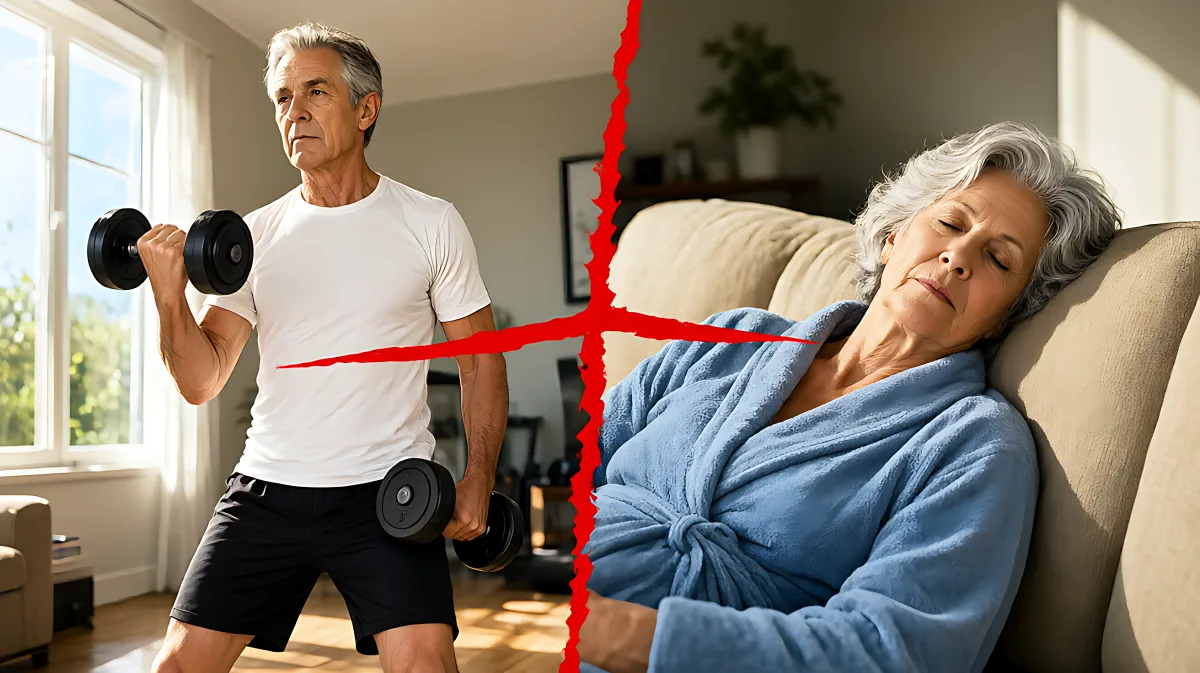
While short naps boost recovery, habitual daytime sleeping can signal underlying health issues and weaken the consistency needed for a strong exercise routine. Here is how to balance rest and activity.
Daily napping disrupts senior exercise habits when it shifts from a brief recovery tool to a sign of insufficient physical activity or underlying health issues. While a short afternoon rest can enhance workout performance, habitual or excessive daytime sleep often replaces active time, leading to muscle deconditioning and circadian rhythm disruptions that make consistent training difficult.
Why does napping interfere with my workout consistency?
Many families assume that a nap is simply a sign of a busy life, but in fact, for active seniors, excessive daytime sleep can erode the discipline required for regular exercise. When you spend hours in bed or on the couch, you miss the window of opportunity where the body’s temperature and joint lubrication are optimal for movement. A study published in Annals of Internal Medicine found that middle-aged and older adults who napped frequently showed greater muscle deconditioning compared to those who did not, highlighting a direct link between sedentary rest and physical decline.
How does sleep inertia affect afternoon training?
The American Academy of Sleep Medicine recommends that naps should be kept under 30 minutes to avoid sleep inertia, a groggy state that can last up to an hour after waking. If your nap extends past this limit, the resulting fatigue makes it physically and mentally harder to engage in strength training or cardio in the late afternoon. This creates a cycle where you skip your planned session because you feel too tired, which leads to further lethargy the next day.
What are the health signs that nap habits are too long?
Napping can be a red flag for medical conditions that impede exercise readiness. If you find yourself needing naps to function normally rather than for comfort, it may indicate sleep apnea, depression, or medication side effects. According to the National Council on Aging, seniors who experience unintentional falling asleep during conversations or who do not feel refreshed after a nap should consult a healthcare provider. These underlying issues prevent you from generating the energy needed for consistent workouts.
How do naps impact cognitive sharpness for active seniors?
While short naps support memory consolidation, Johns Hopkins Medicine researchers found that naps between 30 and 90 minutes are associated with better word recall and figure drawing abilities. However, napping for less than 30 or more than 90 minutes did not show the same cognitive benefits. For an active senior, sharp focus is required to maintain proper form during exercises to prevent injury. A disoriented mind increases the risk of falls and errors during training.
How can I build a nap schedule that supports my fitness?
To protect your exercise habits, you must treat napping as a strategic tool, not a default activity. The goal is to recharge without compromising your motivation to move. By strictly limiting the duration and timing of your rest, you ensure that your body remains primed for physical activity.
- Set a hard 20-minute alarm. This prevents entering deep sleep stages and ensures you wake up refreshed rather than groggy. It also stops the nap from encroaching on your time for afternoon movement.
- Nap between 1 p.m. and 3 p.m. This aligns with the natural circadian dip. Napping later in the day reduces sleep pressure, making it harder to fall asleep at night, which then disrupts your morning energy for exercise.
- Pair naps with hydration. Dehydration is a common cause of fatigue in seniors. Drink a full glass of water immediately upon waking from a nap to boost blood flow and mental clarity before resuming activity.
- Do not replace movement with rest. If you wake up and still feel tired, engage in light walking rather than extending the rest period. Movement actually increases alertness more effectively than additional sleep.
What is the role of the "coffee nap" in senior fitness?
A "coffee nap" involves drinking caffeine right before a 20-minute rest. NASA research on military pilots indicated that a 26-minute nap improved performance by 34% and alertness by 54%. For seniors, this technique can provide a powerful boost for post-workout recovery or for powering through a difficult training session in the late afternoon, ensuring you do not let sleep stop your progress.
When should I stop napping entirely?
If your naps are consistently longer than one hour or if you are napping to compensate for poor nighttime sleep, it is time to re-evaluate your routine. The National Council on Aging advises that if you fall asleep unintentionally during daily activities or if your naps interfere with your ability to sleep at night, a medical evaluation is necessary. In these cases, stopping daytime napping is often the first step to restoring a normal sleep cycle and regaining the energy required for a consistent exercise program.
Frequently Asked Questions
Is it bad to nap every day?
Daily napping is not inherently bad if the naps are short (under 30 minutes) and occur in the early afternoon. However, if the daily habit replaces physical activity or signals excessive fatigue, it can negatively impact long-term health and fitness goals.
How long should a nap be to maximize workout recovery?
The sweet spot for recovery is 20 to 30 minutes. This duration allows the body to release growth hormone and repair muscle tissue without entering deep sleep, which can cause grogginess and delay the start of your next training session.
Can napping lead to weight gain in seniors?
Excessive sedentary time, including long naps, is associated with reduced energy expenditure. By replacing an active afternoon with hours of rest, seniors may find it harder to maintain a healthy weight, which can further complicate joint health and mobility.
What should I do if I cannot fall asleep during my nap?
Do not feel pressured to sleep. Simply resting with your eyes closed for 20 minutes lowers blood pressure and relaxes muscles. If you wake up without sleeping, engage in a gentle stretch or short walk rather than staying in bed, which reinforces the habit of rest over movement.