Wearable Health Tech: Smart Rings, Watches & Senior Care
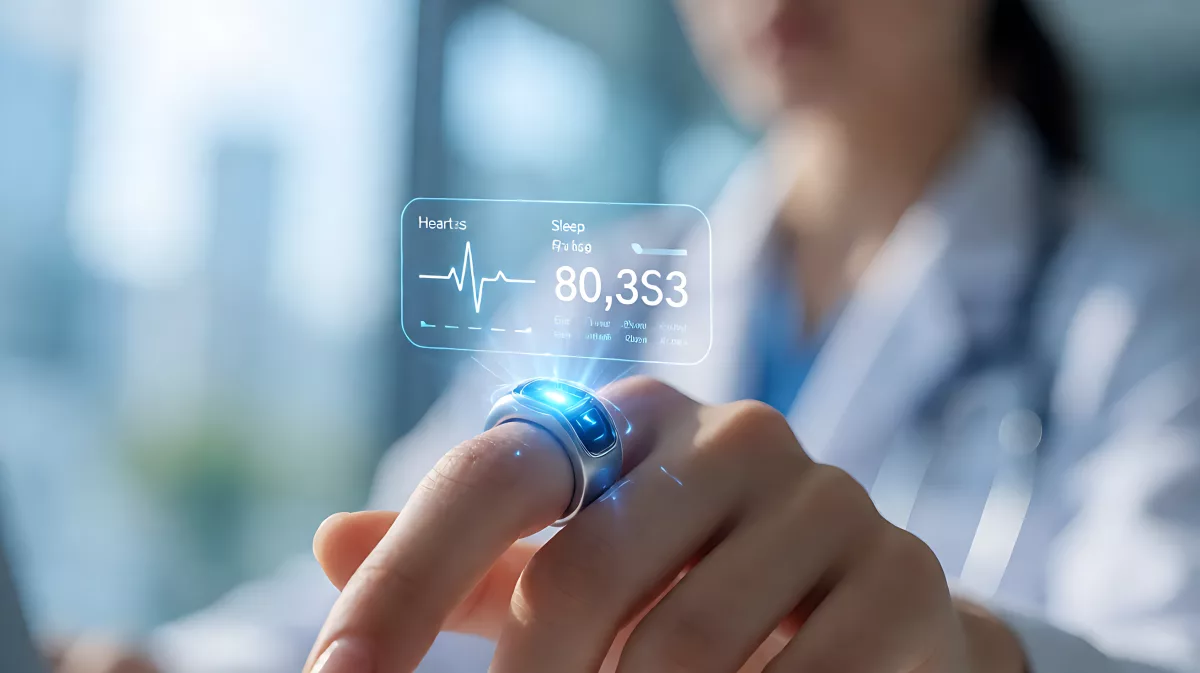
AI-powered wearables are transforming healthcare from reactive to proactive. From smart rings tracking over 50 metrics to devices designed for elderly fall detection, these technologies offer granular insights for personalized care and early intervention.
AI-driven wearables are revolutionizing healthcare by converting daily data into actionable insights. Devices like smart rings, watches, and biosensors track everything from sleep to heart health, allowing providers to create highly personalized care plans and reducing the need for in-person appointments.
How do wearables go beyond fitness tracking?
The concept of wearable technology in healthcare has expanded significantly. It now refers to devices that patients attach to their bodies to collect health and fitness data, which they may provide to doctors, health providers, and insurers. With the introduction of artificial intelligence, these devices have evolved from simple data loggers into sophisticated tools. Machine learning algorithms analyze health metrics to provide personalized insights and even help with diagnoses. This shift is empowering patients to collect their own health data in a digital format, eliminating some barriers to care. Insurers and providers are increasingly relying on data from health monitoring devices to inform more personalized and accurate health plans. The impact is widespread, with companies also adopting wearables to encourage healthy habits among office workers and employees working from home.
What is the market impact of health wearables?
The global wearable industry is experiencing rapid growth. With AI being incorporated into wearables to help patients monitor their health and get diagnoses, the market is projected to reach $152.82 billion by 2029. This growth is driven by top companies reshaping the patient experience. For instance, the World Health Organization notes that by 2030, one in six people globally will be over 60, and by 2050, the number of older adults will double to about 2.1 billion. This demographic shift, often called a "silver tsunami," brings a sharp increase in chronic health needs, making the demand for continuous monitoring devices crucial for elderly care.
Which devices are leading the innovation?
Several key players are defining the landscape of wearable health tech. Each offers unique capabilities for everyday health monitoring and specific patient needs.
- Ōura: Headquartered in Oulu, Finland, Ōura develops a wearable smart ring that tracks over 50 health metrics including heart rate, heart rate variability, body temperature, sleep stages, and stress. The ring’s advanced sensors provide continuous monitoring, enabling users to optimize sleep quality and track fitness performance.
- Samsung Electronics: Based in Englewood Cliffs, New Jersey, Samsung manufactures wearable devices designed for health monitoring. The Galaxy Watch offers heart rate monitoring, sleep tracking, and advanced metrics like electrocardiogram (ECG) data, blood pressure monitoring, and sleep apnea detection.
- Garmin: Located in Olathe, Kansas, Garmin develops a portfolio of wearable devices for health and fitness tracking. Their Venu series and other smartwatches deliver continuous health insights through advanced sensors that track heart rate, blood oxygen saturation, and body patterns.
- Withings: Headquartered in Cambridge, Massachusetts, Withings is known for creating the first WiFi-enabled scale. The company has since developed an ecosystem of FDA-cleared wearable devices that offer activity tracking, heart rate monitoring, and 1-lead ECG capabilities.
- Apple: Apple’s smart watches deliver comprehensive health monitoring, enabling users to monitor heart health and access critical health data. Their devices feature FDA-cleared ECG apps, hypertension notifications, and automatic fall detection.
Additionally, emerging brands are pushing the boundaries of battery life and sensor precision. For example, Zavyoo, a smart wearable company, is promoting devices with medical-grade PPG sensors for 24/7 heart rate monitoring. Their systems include blood oxygen tracking, stress management with guided breathing exercises, and impressive battery life of up to 25+ days on a single charge. These innovations aim to provide continuous cardiovascular insights without the need for daily charging.
How are wearables changing senior care?
Wearable devices for seniors are transforming elderly healthcare in the US, UK, and worldwide. From fall detection and heart rate monitoring to medication alerts and caregiver connectivity, elderly health tech is helping older adults live safer, more independent lives. The features of these devices are tailored to address the specific challenges of aging, such as chronic conditions and the need for emergency response.
What safety features are most important for older adults?
Modern senior wearables pack many tailored safety features that form a comprehensive safety net. Fall detection and emergency alerts are paramount; smartwatches can sense hard falls and automatically call emergency contacts. Many pendants and watches have an SOS button that connects immediately to medical services. For those with dementia or Alzheimer's, GPS-enabled wearables can pinpoint location in real time. Caregivers can set safe "geofences" and get alerts if a senior wanders outside them. This feature has saved lives by enabling quick searches for lost loved ones.
How do these devices support daily wellness?
Beyond emergencies, these devices monitor vital signs like heart rate and blood oxygen levels continuously. They can send real-time alerts when unusual patterns, such as an elevated heart rate or irregular rhythm, are detected. Activity and wellness tracking features count steps and monitor sleep stages, encouraging an active lifestyle. Some wearables or companion applications issue alarms for medication times or doctor visits, helping seniors keep up with complex medication schedules and reduce errors. Emerging smart garments, such as sensor-embedded shirts, can also monitor heart rate and body temperature for seniors who find traditional wearables uncomfortable.
What challenges do users and providers face?
While promising, elderly wearables and broader health tech face hurdles. Many older adults find new gadgets intimidating, so ease of use is critical. Devices should have large displays, clear alerts, and minimal setup to prevent abandonment. Cost is another barrier, as advanced smart watches and sensors can be expensive, often requiring subsidies or insurance coverage. Privacy and security are also paramount; families worry about sensitive health data being exposed. Solutions must use strong encryption and give users control over who sees their data. Finally, reliability is key—false alarms or inaccurate readings can undermine trust. Wearable products must be rigorously tested to maintain high accuracy for vital signs and fall-detection.
How can caregivers integrate wearables into their routine?
Technology for seniors works best when it integrates into a broader care ecosystem. Family caregivers can use apps and online tools to coordinate care. Scheduling apps and shared digital calendars help remind everyone of medication times and family visits. Digital health record systems can pull in wearable data, displaying a month of a patient’s heart rates and activity levels from their smartwatch in a doctor’s portal. This continuous data stream aids telehealth check-ups, allowing doctors to spot trends like declining activity and adjust care plans early. Communication platforms tie it all together, with instant alerts for falls and video calling to keep isolated seniors socially connected.
Frequently Asked Questions
Are smart rings as effective as smartwatches for health?
Smart rings and smartwatches serve different purposes. Smart rings like those from Ōura offer discrete, continuous monitoring of metrics such as sleep, body temperature, and heart rate variability without the bulk of a watch. Smartwatches typically offer a wider range of features, including GPS, cellular connectivity, and more interactive health apps. The best choice depends on whether the user prioritizes discretion and sleep tracking or comprehensive, all-in-one health and fitness management.
How accurate are wearable blood pressure monitors?
Accuracy varies by device and technology. Some smartwatches, like those from Samsung and Withings, offer FDA-cleared blood pressure or ECG features, but many still require periodic calibration with a traditional sphygmomanometer. Continuous blood pressure monitoring is an emerging technology. Users should always consult with their healthcare provider to verify readings and understand the specific limitations of their chosen device.
Can wearables replace annual physical exams?
No. Wearables provide continuous data that is invaluable for spotting trends and early warning signs, but they do not replace comprehensive medical examinations. They are a supplement to, not a substitute for, professional medical care. The data collected can help make those annual visits more productive by providing the doctor with a rich history of the patient's daily health metrics.
How does AI improve the data from my wearable?
AI transforms raw data into personalized insights. Instead of just logging heart rate, AI algorithms can detect irregular patterns that may indicate atrial fibrillation or other conditions. It can also analyze sleep data to offer specific recommendations for improvement and correlate stress levels with activity to suggest personalized wellness strategies, making the data more actionable for both the user and their doctor.