Wearable Health Tech Privacy Risks for Seniors
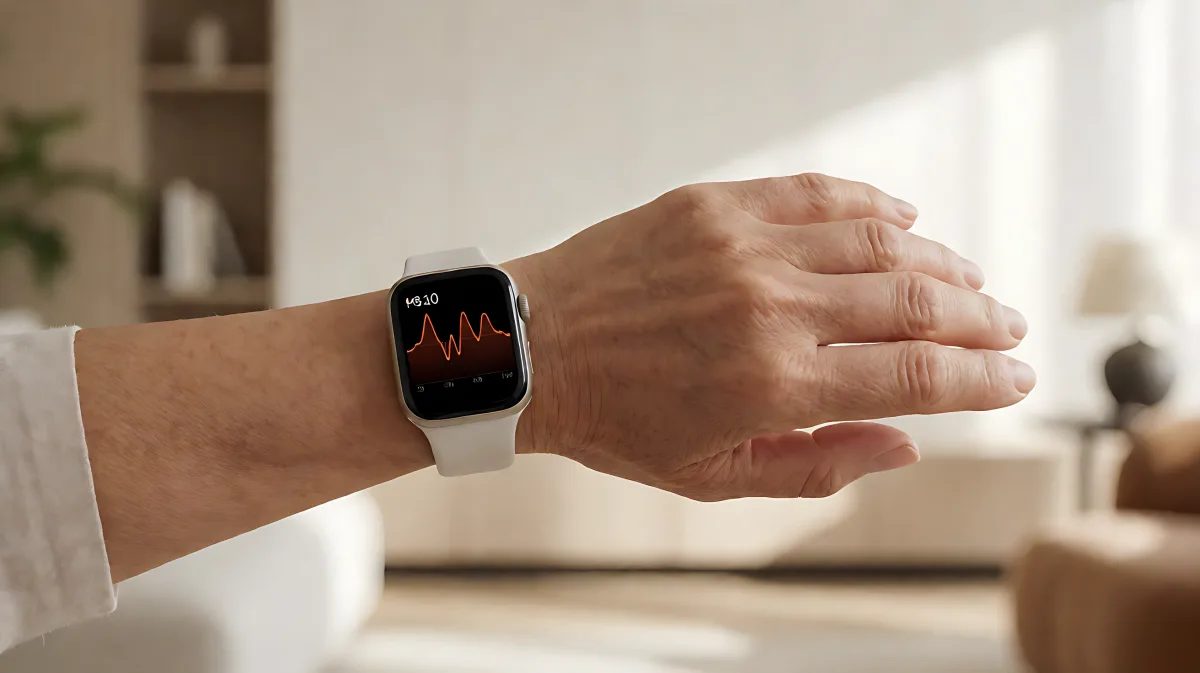
Wearables offer health monitoring but pose serious privacy risks for seniors. Learn how to protect sensitive data from voice assistants, cloud servers, and potential breaches.
Wearable health tech poses significant privacy risks for seniors by continuously collecting sensitive biometric data and voice commands. To mitigate these threats, users should review data retention policies, enable strong encryption, and limit third-party app integrations on devices linked to health profiles.
Why do wearables present unique privacy challenges for older adults?
Modern wearables function as constant health monitors, tracking heart rate, blood oxygen levels, sleep patterns, and even activity locations. For seniors managing chronic conditions like diabetes or hypertension, this real-time data is invaluable for early intervention. However, the sheer volume of intimate health information creates a large target for data breaches. Unlike standard fitness devices, medical-grade wearables often sync with cloud servers where data can be stored indefinitely, creating persistent digital footprints. As noted by industry analysts at Gartner, the integration of AI in these devices requires robust governance to prevent unauthorized access to personal health records. The gap between technological capability and regulatory protection remains a critical concern for users in both the US and UK markets.
How do voice assistants increase the attack surface?
Many senior-focused devices rely on voice assistants for hands-free control, allowing users to check medication reminders or contact emergency services. This convenience introduces a specific vulnerability: voice data is biometric and highly identifiable. In a 2026 landscape, sophisticated AI systems can process tone and speech patterns to infer health status, potentially identifying depression or anxiety without explicit user intent. A Deloitte health care consumer survey highlighted that nearly 30 percent of respondents were interested in apps using voice recognition for mood analysis, indicating a high level of public comfort with such intrusive monitoring. However, without strict local processing, these audio files are often sent to third-party servers, where they may be retained for model training. For seniors, this means their vocal health markers are effectively shared with external entities, raising questions about consent and data sovereignty.
What are the risks of data sharing with third parties?
The primary risk is the fragmentation of health data across multiple platforms. A senior might use a smartwatch from one brand, a medication dispenser from another, and a smart home system from a third provider. If these devices do not adhere to a unified privacy standard, data can be cross-referenced by advertisers or insurers. In the United States, while the Health Insurance Portability and Accountability Act (HIPAA) protects certain medical data, it often does not cover consumer-issued wearables unless they are specifically prescribed by a provider and directly linked to a clinical record. This regulatory gap means that many popular devices operate outside the most stringent privacy protections, leaving seniors vulnerable to data sales or leaks. The UK’s Data Protection Act imposes similar constraints, emphasizing that health data is a special category requiring explicit consent for processing.
How can families and caregivers enhance device security?
- Audit App Permissions: Regularly review which apps have access to location, microphone, and health data. Disable background access for non-essential applications.
- Update Firmware Immediately: Manufacturers frequently patch security vulnerabilities in voice recognition and data transmission protocols. Delaying updates exposes devices to known exploits.
- Use Strong Authentication: Enable two-factor authentication on all associated cloud accounts. This prevents unauthorized access even if a password is compromised.
- Limits Data Retention: Check if the device allows users to delete historical data. Many platforms retain logs for years unless explicitly requested to be removed.
What specific features should seniors look for in secure wearables?
When selecting a wearable for a senior with health conditions, prioritization must shift from feature density to data integrity. Look for devices that offer local processing for sensitive functions, meaning voice commands are interpreted on the device rather than in the cloud. Additionally, verify if the manufacturer is subject to independent security audits or has certifications such as ISO/IEC 27001 for information security management. Dr. Lakelyn Eichenberger, a gerontologist at Home Instead, emphasizes that technology supports independence only if it is accessible and trustworthy. A secure device reduces the cognitive load of managing multiple passwords and mitigates the risk of data misuse. In 2026, several major manufacturers have begun offering 'privacy modes' that encrypt data at rest and disable cloud syncing when the device is not actively being used. Users should actively enable these modes to maintain control over their digital footprint.
How do regulations differ between the US and UK?
In the US, the Federal Trade Commission (FTC) oversees consumer health privacy, focusing on transparency and data minimization. Recent executive orders have pushed for clearer disclosure requirements for health apps, but enforcement remains fragmented. In the UK, the Information Commissioner’s Office (ICO) enforces strict rules under the UK GDPR, treating health data as special category data. This means that legitimate interest alone is insufficient for processing; explicit consent is often required. For seniors using devices from international manufacturers, understanding which jurisdiction governs their data is crucial. Cross-border data transfers require specific safeguards to ensure that privacy standards do not dilute once data leaves the host country. Staying informed about these regional differences helps users make more informed choices about which devices align with their privacy expectations.
FAQ
Do smart watches comply with HIPAA or similar privacy laws?
Most consumer smart watches do not automatically comply with HIPAA unless they are integrated with a specific healthcare provider’s electronic health record system. General consumer devices are often governed by less stringent trade practice laws rather than strict medical privacy acts, so users must review individual vendor policies.
Is it safer to use voice assistants in a noisy environment?
No, background noise can force devices to retain audio clips longer for processing, increasing the risk of accidental data leakage. It is safer to use voice commands in quiet settings or to switch to manual input for sensitive health-related queries to minimize residual audio data.
How can I delete my health data from a wearable cloud service?
Most major wearable platforms allow users to request data deletion through their privacy settings in the accompanying mobile app. However, some providers retain data for a specified period for operational reasons. For immediate removal, users should contact customer support and request a certified data deletion confirmation.
Are there wearables that process all data locally?
Yes, a growing segment of the market offers devices with on-device AI processing for health metrics and voice recognition. These 'edge computing' solutions keep sensitive data on the watch itself, significantly reducing privacy risks associated with cloud storage and transmission.