Wearable Health Tech: 2026 Trends and User Benefits
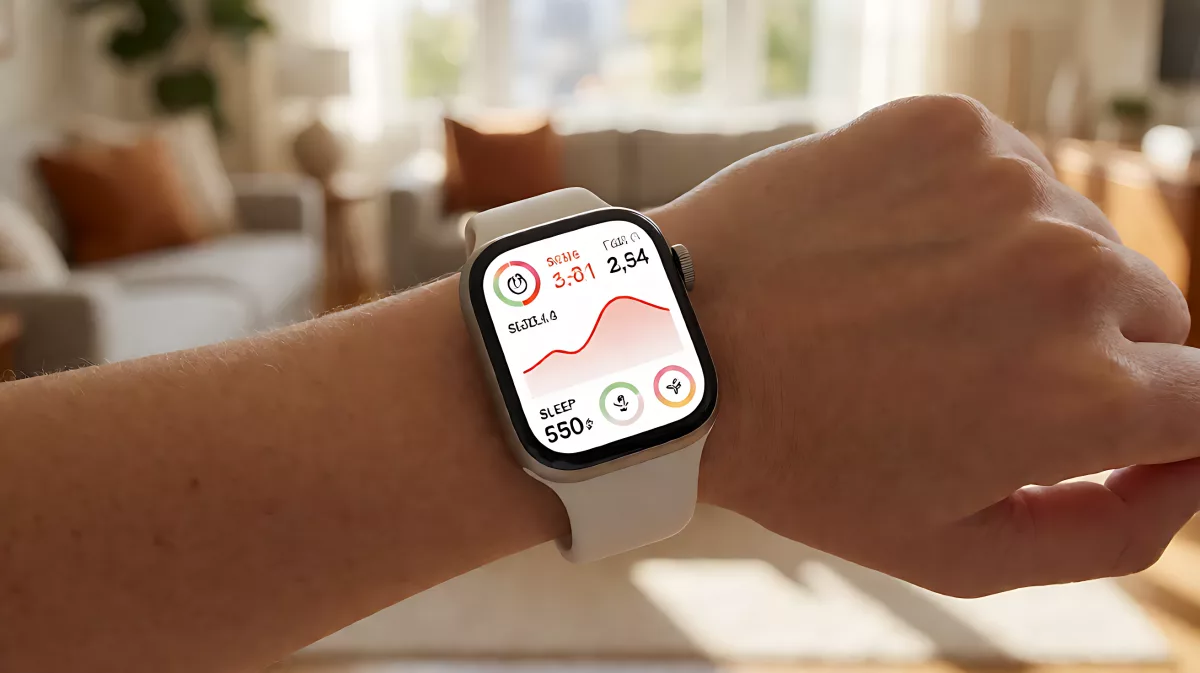
In 2026, wearables are no longer just fitness trackers; they are vital medical tools. From smart rings monitoring heart rate to watches detecting falls, here is how the tech is evolving to keep you healthy.
In 2026, wearable health technology has moved beyond simple step counting to become a cornerstone of personalized medicine. Devices like smart rings and advanced smartwatches now use AI to interpret complex biometric data in real-time, flagging potential health issues before symptoms appear. This shift allows users and their doctors to make proactive decisions about sleep, cardiovascular health, and overall wellness, transforming daily life from passive monitoring to active care management.
How Are Wearables Changing Daily Health Monitoring?
The primary shift in 2026 is the integration of advanced artificial intelligence into consumer devices. Previously, wearables acted as basic data loggers, recording heart rate and sleep duration. Today, machine learning algorithms analyze these metrics to provide actionable insights. For example, a device might not just tell you that your heart rate is elevated, but correlate that spike with a period of high stress identified through breathing patterns and physical movement. This level of granular analysis helps users understand the 'why' behind their physical state, allowing for better daily habit adjustments.
Furthermore, the line between consumer tech and medical devices has blurred. Regulatory bodies have approved more sensors for clinical-grade use, meaning that data from a watch on your wrist can now be used to support diagnoses for conditions like atrial fibrillation or sleep apnea. This validates the data for insurers and healthcare providers, who are increasingly incorporating wearable feeds into their standard patient records to ensure care plans are up-to-date and accurate.
Which Companies Are Leading the 2026 Market?
Several key players are driving this innovation. Apple continues to dominate the smartwatch sector with its ecosystem of FDA-cleared health features, including irregular rhythm notifications and advanced fall detection. Samsung Electronics has expanded its Galaxy Watch lineup to include comprehensive blood pressure monitoring and detailed sleep apnea alerts, positioning the brand as a serious health companion. For those preferring less intrusive tech, Oura and Motiv offer smart rings that track over 50 health metrics, including body temperature and heart rate variability, without the bulk of a traditional watch.
Newer entrants are also making significant impacts. Zavyoo, for instance, has gained attention for its focus on long-battery life, offering up to 25 days of continuous monitoring on a single charge. This feature is critical for users who need constant data without the daily ritual of charging. Meanwhile, LifeQ has carved out a niche in senior care, partnering with Owlytics Healthcare to provide fall risk management that assesses, predicts, and even prevents falls through near real-time monitoring.
How Do Wearables Support Senior Care and Safety?
For older adults, wearables are proving to be essential for maintaining independence while ensuring safety. LifeQ’s Senior Care solution utilizes proprietary biometric monitoring to flag disease signs through physiological changes in vital signs. If a fall occurs, the system can send alerts with location approximation via satellite positioning, allowing family members or caregivers to respond quickly. This capability is crucial in a world where many seniors live alone or wish to avoid institutional care.
Beyond falls, these devices monitor chronic conditions. Continuous, non-intrusive tracking of blood oxygen and heart rate helps identify anomalies that might indicate the onset of a health crisis. By maintaining a baseline of normal health, the AI can detect subtle deviations that warrant medical attention, effectively acting as a 24/7 health guardian.
What Impact Does AI Have on Personalized Health Plans?
The convergence of AI and wearables enables a highly personalized approach to health. Instead of one-size-fits-all advice, users receive recommendations based on their specific physiological data. For instance, if a smart ring detects that a user’s sleep quality is declining despite a consistent bedtime, it might suggest adjusting temperature settings or limiting screen time before bed. This dynamic feedback loop encourages users to make small, daily adjustments that compound into significant long-term health benefits.
Professional athletes also benefit from this tech, using detailed workout analytics to prevent overtraining and optimize recovery. For busy professionals, stress management features that include guided breathing exercises help maintain mental well-being in high-pressure environments. The data is encrypted and stored securely, ensuring privacy while providing the insights needed to navigate a healthy life.
Frequently Asked Questions
Are wearable health data accurate enough for medical decisions?
Yes, many major devices in 2026 hold regulatory clearance for specific medical functions. Brands like Apple and Withings offer FDA-cleared features for ECG readings and hypertension detection. While they do not replace a full clinical exam, they provide high-quality preliminary data that doctors can use to guide diagnoses and treatment plans.
How long do modern smartwatch batteries last?
Battery life varies by device, but the trend in 2026 is moving toward longer intervals between charges. While some high-feature watches may require daily charging, newer models like Zavyoo advertise up to 25 days of battery life, ensuring continuous monitoring without interruption.
Can wearables help prevent falls in the elderly?
Yes. Specialized platforms like LifeQ, in partnership with Owlytics Healthcare, use sensor data to assess fall risk in real-time. These systems not only detect falls to alert responders but also analyze movement patterns to predict and help prevent future incidents, enhancing safety for seniors.