Why your wearable might be lying about your effort
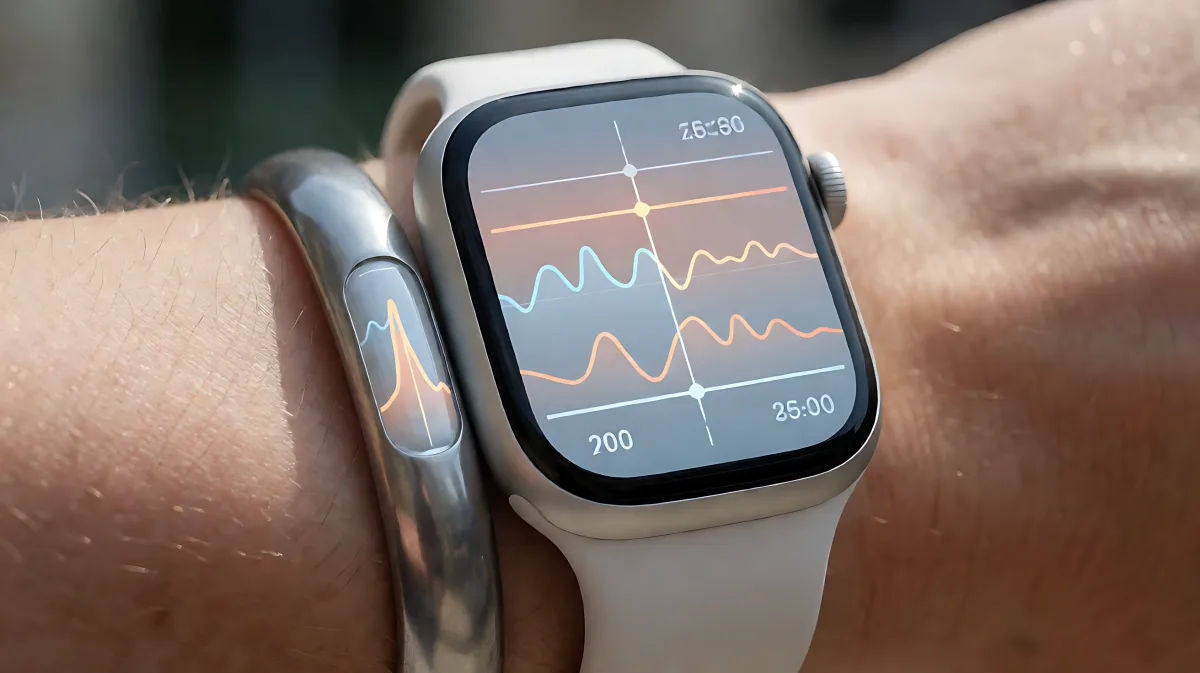
Your smartwatch might be guessing when you do light exercise. Explore how sensor limitations, skin contact, and algorithm biases create significant data gaps during minor physical exertion in 2026.
Your wearable may significantly misread your heart rate and calorie burn during minor physical exertion. Research indicates that heart rate errors can reach 20 percent, while caloric expenditure estimates can be off by as much as 100 percent. These inaccuracies arise from sensor limitations and algorithm biases that struggle with low-intensity motion.
Why minor exertion confuses wearable sensors?
Most consumer wearables rely on optical sensors that measure blood volume changes in the wrist. These devices perform best when signal interference is minimal. However, during minor exertion, the mechanical noise generated by slight muscle contractions can compete with the optical signal. As noted in reviews of wearable technology, factors such as wrist position, sweat, and dirt on the skin interfere with the sensor's ability to detect pulses. This interference is often less pronounced during heavy, rhythmic exercise like running, where the signal is strong, but becomes more erratic during light activities like walking or household chores.
Additionally, the algorithms used to convert raw sensor data into readable metrics are often trained on high-intensity datasets. When the data input is weak or noisy, the device may default to a resting estimate rather than accurately calculating the slight increase in metabolic demand. This results in a discrepancy between your perceived effort and the recorded data.
How do skin characteristics affect reading accuracy?
The optical properties of skin play a critical role in data fidelity. Studies indicate that skin pigmentation can impact the absorption of light reflected by the sensor. darker skin tones may require different light wavelengths or higher power to penetrate the epidermis effectively. If the device does not adjust for these variables, it may underestimate heart rate. On average, wearable fitness devices have a slight tendency to underestimate heart rate, a bias that can skew fitness recommendations. For users who rely on these numbers for health monitoring, this consistent underestimation can lead to a false sense of stability or missed alerts during cardiac events.
What is the impact on calorie tracking?
Caloric expenditure is a calculated value derived from heart rate, body mass, age, and movement data. Because it relies on multiple inputs, the margin of error compounds. While step counts may only be off by 9 percent, calorie estimates can deviate by up to 100 percent. This wide variance makes it difficult to track energy balance for weight management. For instance, a user might burn fewer calories than the device reports if the sensor overestimates the intensity of a light walk. This can lead to overeating if the user assumes they have burned more energy than they actually have.
Table 1: Typical Data Deviations in Wearables
| Metric | Average Deviation | Primary Cause |
|---|---|---|
| Heart Rate | 1.3 to 20 percent error | Signal noise and skin pigmentation |
| Calorie Burn | Up to 100 percent error | Algorithm bias and compound errors |
| Step Count | 9 percent underestimate | Sensor sensitivity thresholds |
| Sleep Duration | 10 percent overestimate | Wakewake detection failures |
How do specific devices handle light activity?
Different brands employ varying methods to mitigate these errors. Apple Watch data suggests an average underestimation of heart rate by 1.3 beats per minute during exercise. However, this figure can fluctuate significantly based on the specific model and software version. Other brands, such as Garmin and Fitbit, use multi-sensor arrays that combine optical heart rate monitoring with accelerometers. While this improves overall activity tracking, it does not eliminate the root cause of signal degradation in minor exertion. The complexity of integrating these sensors means that calibration drift over time can further degrade accuracy.
Emerging solutions like the LifeQ platform focus on longitudinal data analysis rather than single-point accuracy. By tracking trends over weeks or months, users can observe physiological changes even if individual data points are noisy. This approach is particularly useful for senior care, where continuous monitoring of vital signs and fall risk detection are prioritized over immediate, high-precision metrics.
What role does movement type play in data integrity?
Non-rhythmic movements, such as lifting objects, typing, or stretching, pose significant challenges to wearable sensors. These motions create irregular pressure changes on the skin, disrupting the optical signal. As a result, the device may fail to register the heart rate increase associated with these activities. Consequently, the total daily energy expenditure is likely to be underestimated. Users who perform predominantly sedentary work with bursts of minor exertion may find their fitness scores lower than expected, not because they are less active, but because their devices cannot accurately capture their metabolic rate.
FAQ
How can I improve my wearable's accuracy during light exercise?
Ensure the device is worn snugly but not too tight to restrict blood flow. Keep the skin clean and dry to reduce interference from sweat or dirt. If possible, wear the device on a wrist that is not subject to repetitive swinging motions during your activity.
Are smart rings more accurate than smartwatches for heart rate?
Smart rings often provide more consistent skin contact than wrist-based wearables, which can reduce signal noise. However, they still face challenges with motion artifacts and skin pigmentation. Their accuracy in minor exertion depends on the specific algorithm used to process the optical data.
Why does my wearable overestimate my sleep time?
Wearables often struggle to distinguish between deep sleep and quiet wakefulness. This leads to an overestimation of total sleep time and sleep efficiency by around 10 percent on average. Users may feel more tired than their data suggests because the device fails to register brief periods of wakefulness.
Does a higher-priced wearable guarantee better data?
Not necessarily. While premium devices often have more advanced sensors, the core challenge of optical heart rate measurement during motion remains. The benefit of higher price tags is often in battery life, durability, and additional health features rather than a guaranteed reduction in accuracy error for minor exertion.
Should I rely on wearables for medical diagnosis?
No. Wearables are consumer devices, not medical instruments. Only a small percentage of biometric outcomes in the market are validated for all reported metrics. Use wearable data for trend monitoring and lifestyle adjustments, but consult a healthcare professional for any concerns regarding heart health or other medical conditions.