Wearable Data Accuracy vs Patient Symptoms Explained
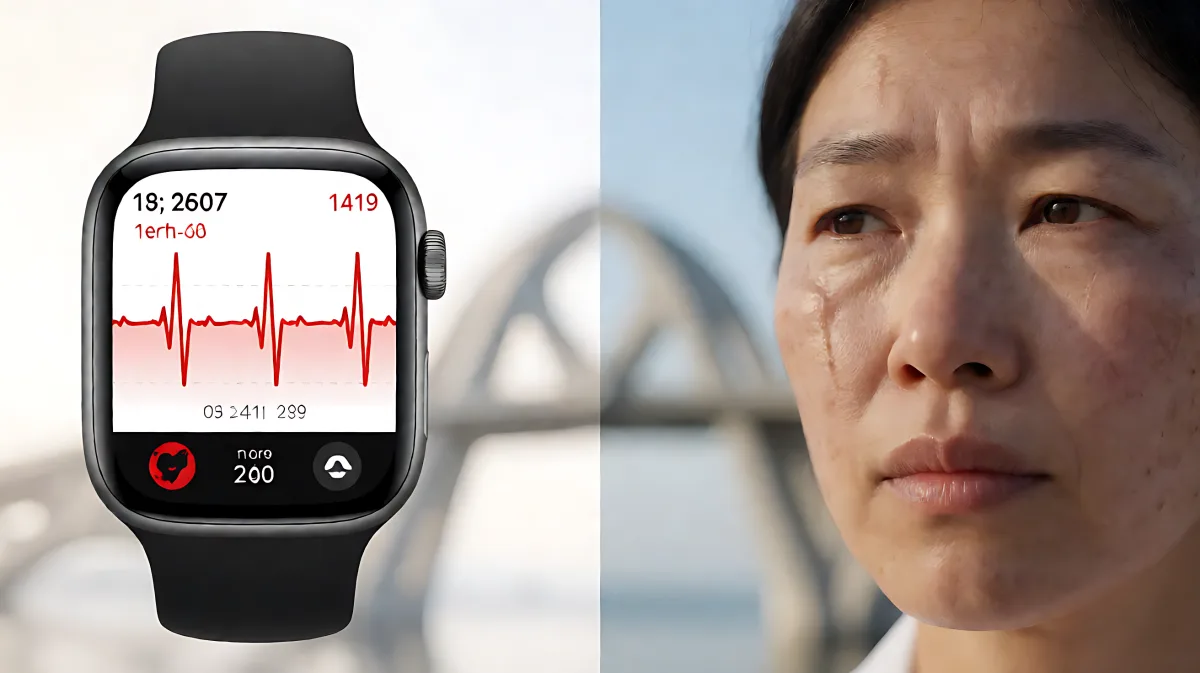
Consumer wearables provide valuable trends but often fail to capture the full picture of health. Understanding the disconnect between sensor data and lived experience is key to using these tools effectively.
Wearable health devices like continuous glucose monitors and smartwatches provide real-time trends, but they cannot always explain why you feel a certain way. A "good" readiness score does not guarantee you are healthy, just as a normal sleep duration does not ensure restorative rest. These tools detect physiological patterns, not causes. To get the most out of your data, you must actively cross-reference digital metrics with your actual symptoms and lifestyle context.
Why do wearable sensors sometimes miss the mark?
Modern devices use optical sensors, accelerometers, and proprietary algorithms to estimate metrics like heart rate, sleep stages, and glucose levels. While Abbott, the manufacturer of FreeStyle Libre, has improved sensor accuracy to a point where many users no longer need fingersticks for routine checks, the data remains an estimate. Sensors measure interstitial glucose, not the precise blood glucose value at the exact moment you feel shaky. This delay and difference in measurement site mean that when your device shows a normal range, your physical sensation of hypoglycemia might still be valid. The technology is designed to alert you to trends, not to serve as a definitive diagnostic tool on a second-by-second basis.
Is heart rate variability a reliable indicator of stress?
Heart rate variability, or HRV, is often cited as a key metric for recovery and autonomic nervous system balance. However, it is a non-specific marker. A low HRV reading can result from intense training, psychological anxiety, viral infection, or simple dehydration. According to clinical interpretations from functional medicine experts, the same HRV drop can signal completely different underlying issues. If your smartwatch reports "low recovery" but you have not exercised, the device is identifying the symptom of physiological strain, not the cause. This is why relying solely on the app's notification can lead to confusion rather than clarity.
How do sleep trackers compare to clinical tests?
Consumer sleep rings and watches estimate sleep stages using movement and light sensors. These estimates are useful for tracking long-term patterns but differ significantly from clinical polysomnography, which is the gold standard in sleep medicine. A study published in 2026 by researchers including Yusheng Tan and colleagues explored using language models to interpret these wearable data points for personalized guidance. Their work highlighted that standard commercial models often fail to bridge the gap between raw data and personal context. Just because a device says you slept eight hours does not mean those hours were restorative. Many users report feeling refreshed after six hours, while others feel drained after ten. The subjective experience of sleep quality is a critical variable that algorithms struggle to fully capture.
What is "orthosomnia" and how does it affect users?
The term "orthosomnia" describes a phenomenon where the anxiety of tracking sleep metrics actually worsens sleep quality. Clinicians have noted that users who check their sleep scores obsessively often experience increased sleep-related worry, leading to a paradoxical decrease in rest. This psychological side effect is a common disconnect between the data and the user's wellbeing. If your wearable data is causing more stress than it is providing insight, it may be time to step back from constant monitoring and focus on clinical sleep hygiene strategies rather than app recommendations.
When should you trust symptoms over data?
Your body's symptoms are often the first line of defense against health issues. If you feel fatigued, dizzy, or unwell, but your wearable says all metrics are within normal ranges, trust the symptom. This is particularly important for users of continuous glucose monitors. Abbott and other manufacturers advise that fingerstick checks are still required when symptoms do not match sensor readings. This protocol exists because no sensor is perfect. In 2026, the technology is advanced, but individual biological variations, medication effects, and environmental factors can still skew data. The safest approach is to treat wearable data as a supporting tool for clinical evaluation, not as a replacement for professional medical judgment.
How can you bridge the gap between data and symptoms?
To make your wearable data more useful, practice contextual anchoring. When you see an alert or a trend, immediately ask yourself what happened in the 24 to 48 hours prior. Did you travel? Did you change your diet? Did you face high psychological stress? For example, if your glucose readings are erratic and you feel anxious, it might be a sign of stress-induced hormonal shifts rather than a sensor error. Keep a simple journal of subjective feelings alongside your digital exports. This combination allows you and your healthcare provider to spot patterns that a standalone app would miss.
What role does AI play in interpreting wearable data?
Recent advancements in artificial intelligence are helping to contextualize these metrics. In 2026, research frameworks are moving toward two-stage processes where large language models first reason through structured guidance from unannotated records, and then smaller, specialized models provide personalized insights. This approach aims to reduce the "black box" nature of proprietary algorithms. Companies like Sleeptracker-AI, which has validated its data against clinical standards at Stanford Medicine and UCSF, are integrating real-time biosensing with predictive analytics. These systems attempt to move beyond simple reporting to actionable intelligence, but they still require human oversight. The goal is not to let AI tell you what is wrong, but to help you and your doctor understand why a specific metric changed.
Are proprietary readiness scores interchangeable across devices?
No. Readiness and recovery scores are generated by proprietary algorithms that vary significantly between manufacturers like Whoop, Oura, Garmin, and Apple. A "low" score on one device might correlate with a "high" score on another because the weighting of inputs like HRV, sleep debt, and training load differs. You should never compare scores directly across platforms. Instead, track the trend within a single ecosystem over time. Consistency in your data source is far more important than the absolute value of the number.
Frequently Asked Questions
Can a continuous glucose monitor replace a blood glucose meter?
No. While FreeStyle Libre and other CGMs are highly accurate for trend monitoring, regulatory guidelines still require confirmatory blood glucose tests when readings do not match symptoms. Sensors measure interstitial fluid, which lags behind blood glucose changes. In emergencies or when diagnosing hyperglycemia, a meter remains the standard.
Why does my smartwatch say I slept well, but I feel tired?
This discrepancy often points to poor sleep quality that the device cannot detect, such as light sleep dominance or micro-awakenings. It can also indicate that factors like psychological stress, nutritional deficiencies, or hormonal imbalances are affecting your energy levels independent of sleep duration. Trust your fatigue and consult a clinician if it persists.
How often should I check my wearable data?
For most users, checking trends daily or weekly is sufficient. Constant monitoring can lead to data anxiety or "orthosomnia." Focus on weekly reviews to identify patterns rather than reacting to every single hourly reading. Use alerts for safety-critical issues, such as hypoglycemia or extreme heart rates, but ignore the rest for general health tracking.
Do wearables account for medication effects on heart rate?
Generally, no. Most consumer algorithms do not automatically adjust for medications like beta-blockers or stimulants that alter heart rate and HRV. If you take heart medication, you may need to calibrate your expectations or discuss specific thresholds with your doctor. The device will report the raw physiological signal, but it will not interpret it in the context of your drug regimen.